
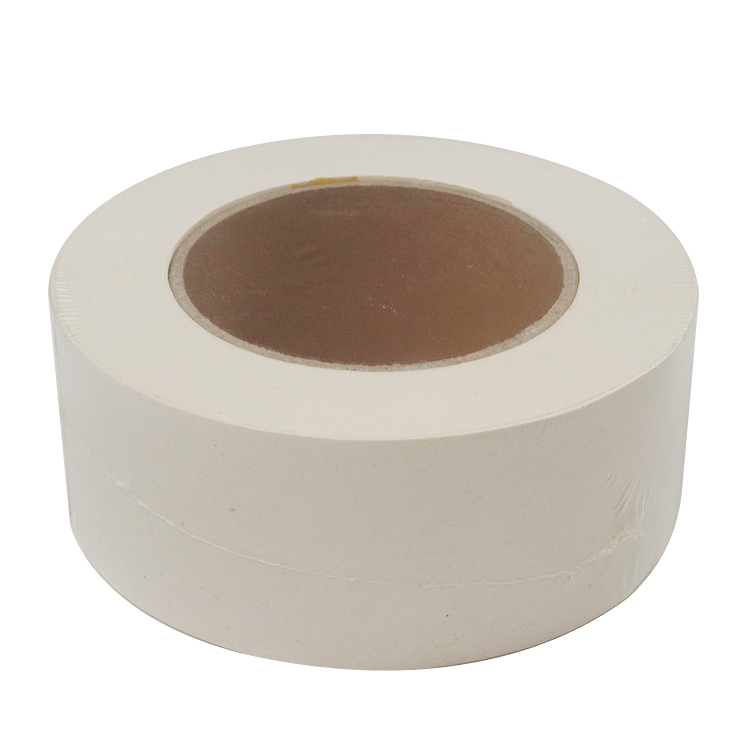
Key TakeawayNever ship unprotected joint tape across oceansStandard poly bags allow micro permeation that triggers fiber swelling and edge ruinUpgrade to aluminum foil barrier laminates with at least three grams of desiccant to secure zero defect...
VIEW MORE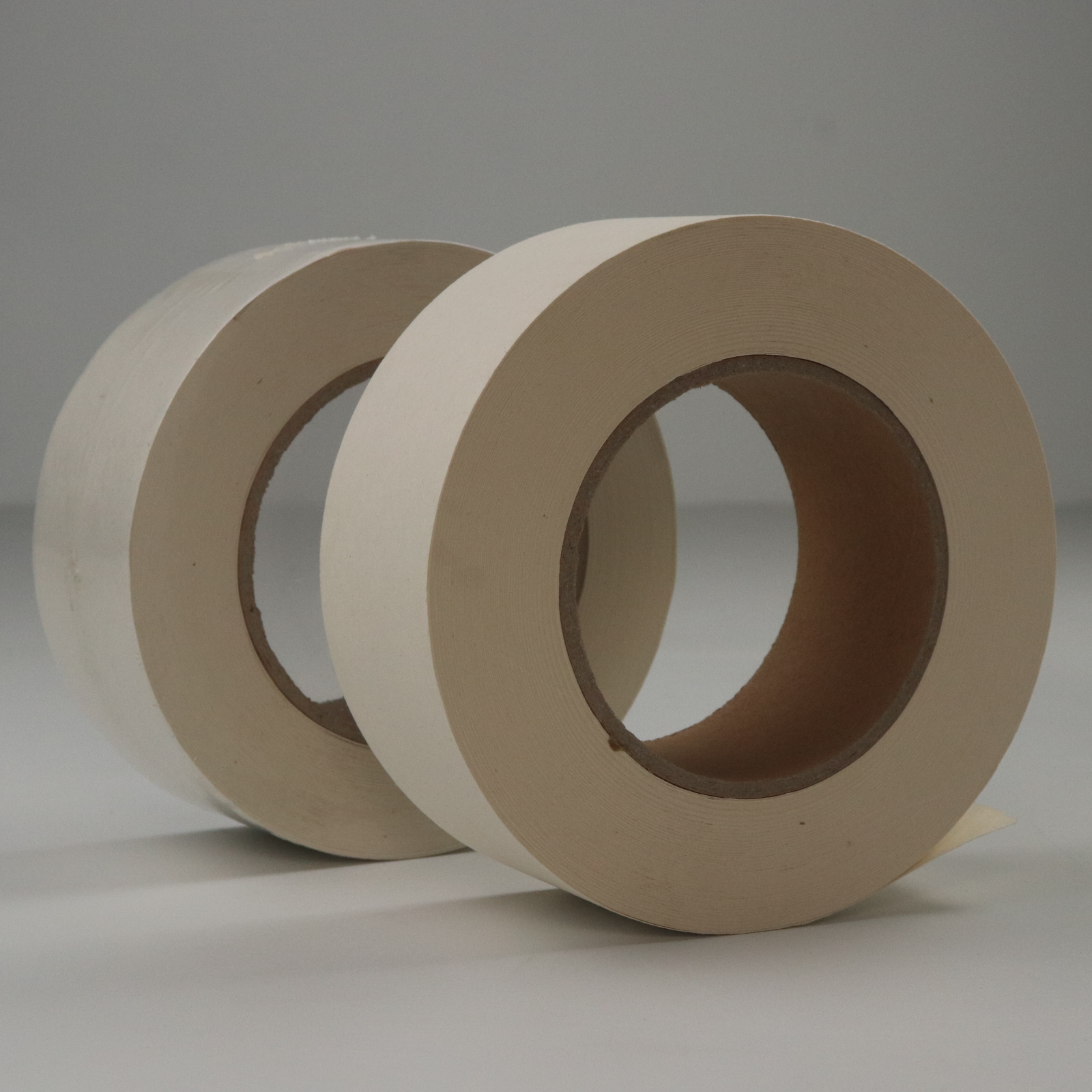
Key Takeaway: Paper tape embedded in all-purpose mud remains the undisputed king for 90% of flat seams and inside 90-degree corners. Self-adhesive fiberglass mesh is strictly for fast drywall patches and non-structural joints—and it must al...
VIEW MORE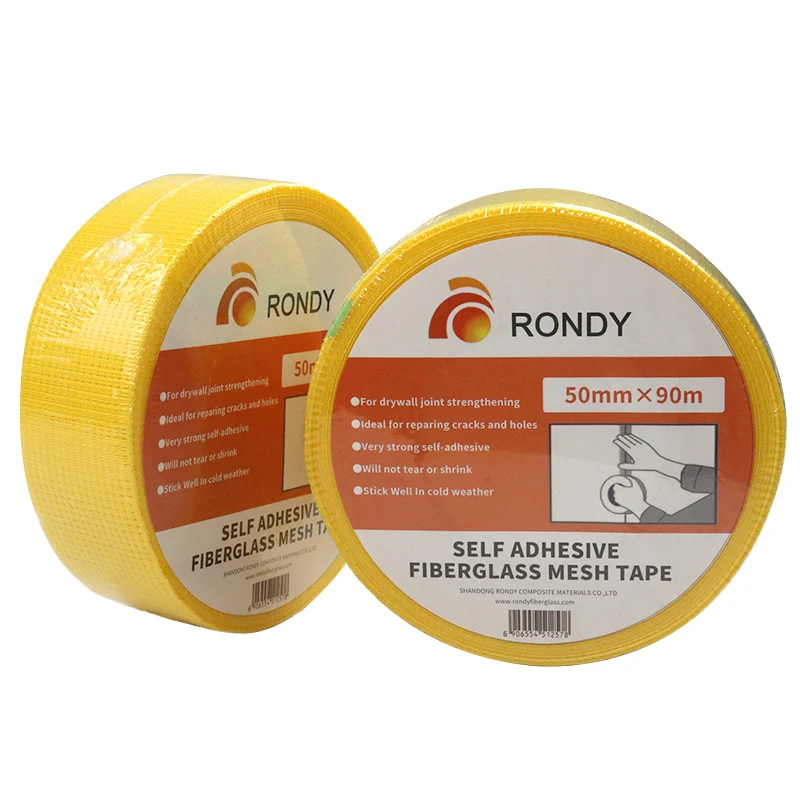
Key Takeaway: For standard factory-tapered drywall flat seams, standard 2-inch (1-7/8") self-adhesive mesh tape performs flawlessly provided it is dry-applied and filled with setting-type compound. For non-tapered butt joints, ceiling joints, and...
VIEW MORE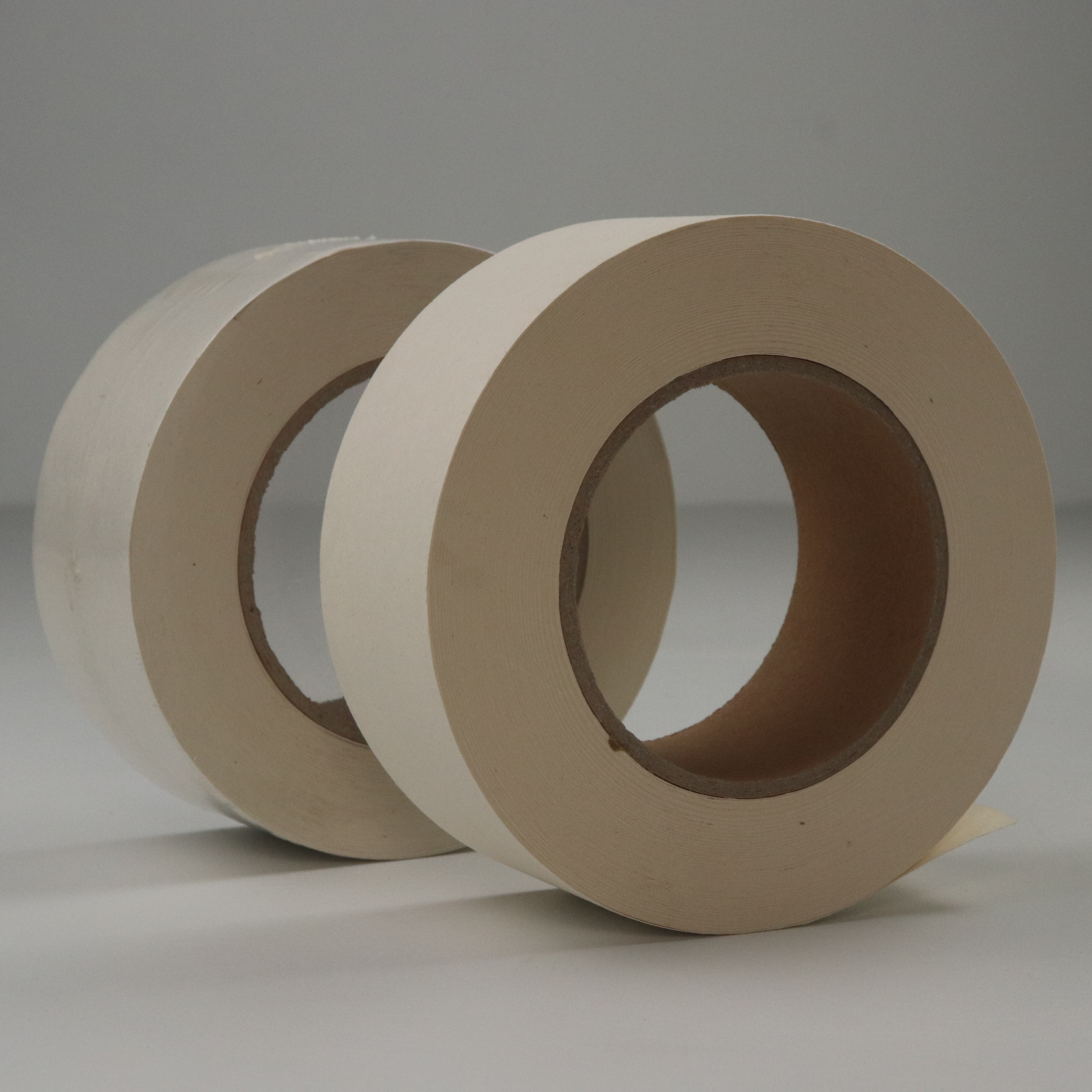
Key Takeaway: No paint job is better than the tape line beneath it. For 95% of standard flat seams and inside 90-degree angles, engineered fiber paper joint tape remains the absolute gold standard over fiberglass mesh. To avoid disastrous joint b...
VIEW MORE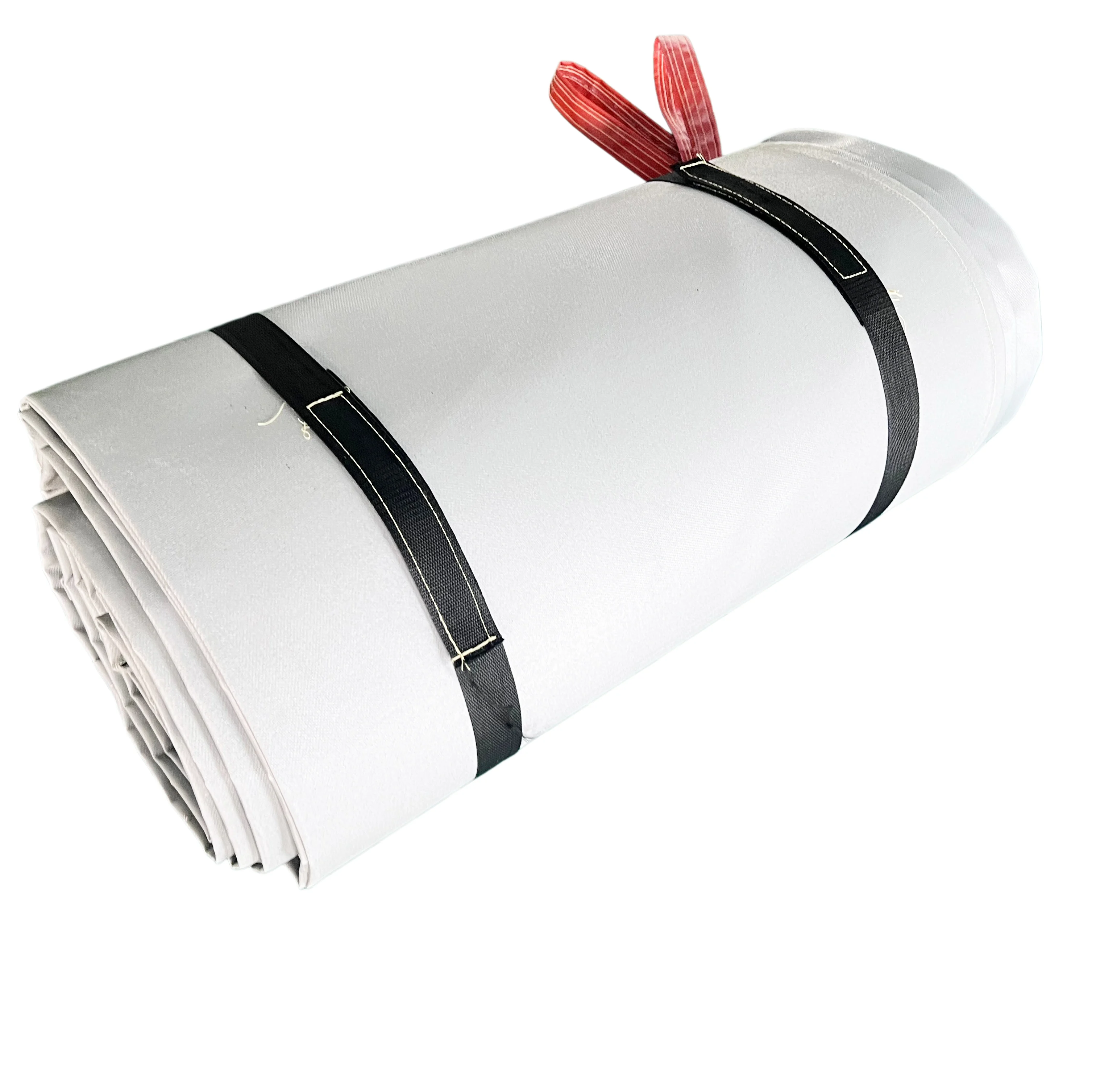
Shielding the Giants: Why Standard EV Fire Blankets Fail on Full-Size SUVs and How to Spec Custom Sizes Safely Key Takeaway: For full-size electric SUVs and trucks (like the GMC Hummer EV or Ford F-150 Lightning), standard sedan-sized 6m × ...
VIEW MORE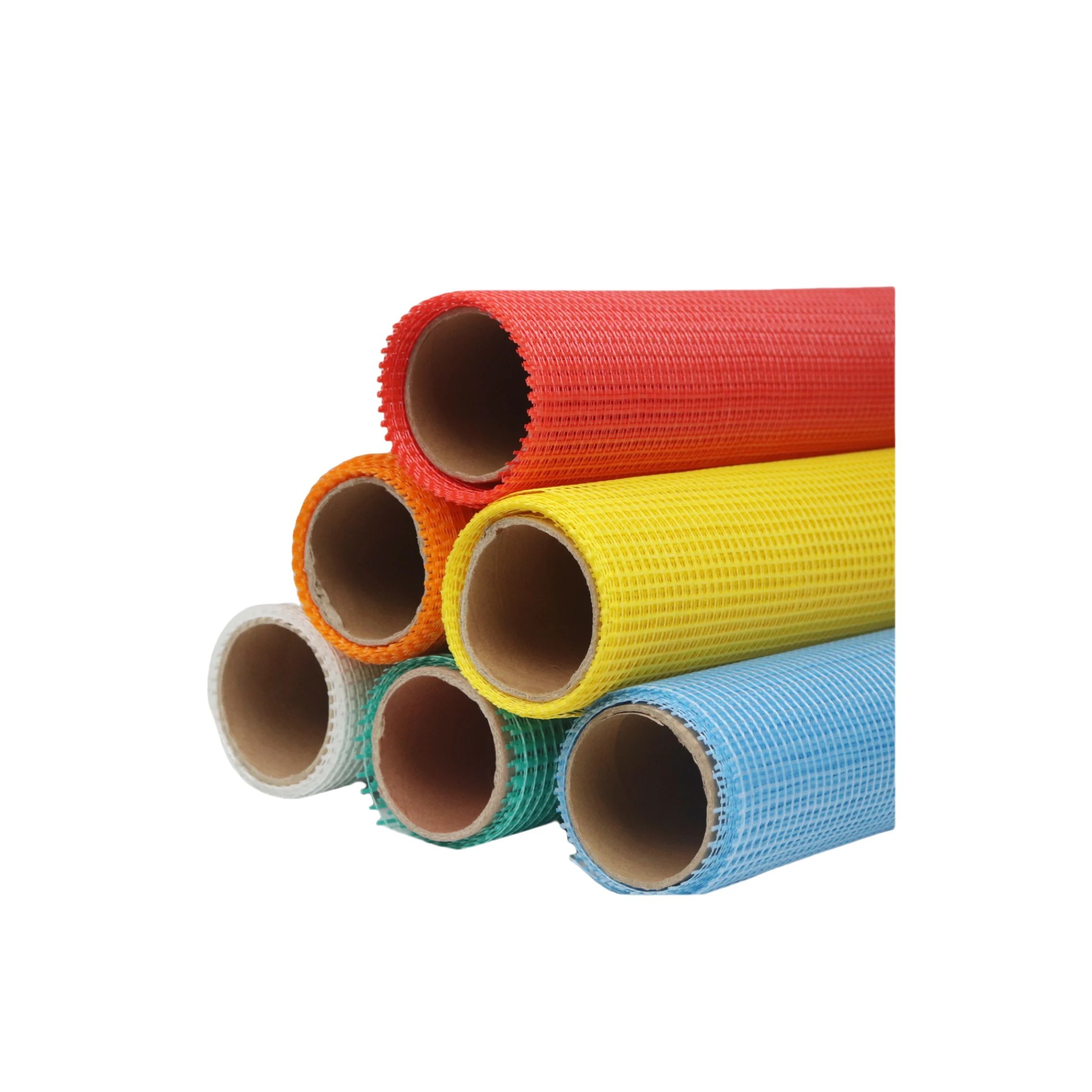
Key Takeaway: For 90% of standard residential drywall joint taping, 90 GSM self-adhesive fiberglass mesh is the sweet spot. Going lighter (60–75 GSM) runs a severe risk of joint shearing under framing settlement, while going heavier (110+ G...
VIEW MORE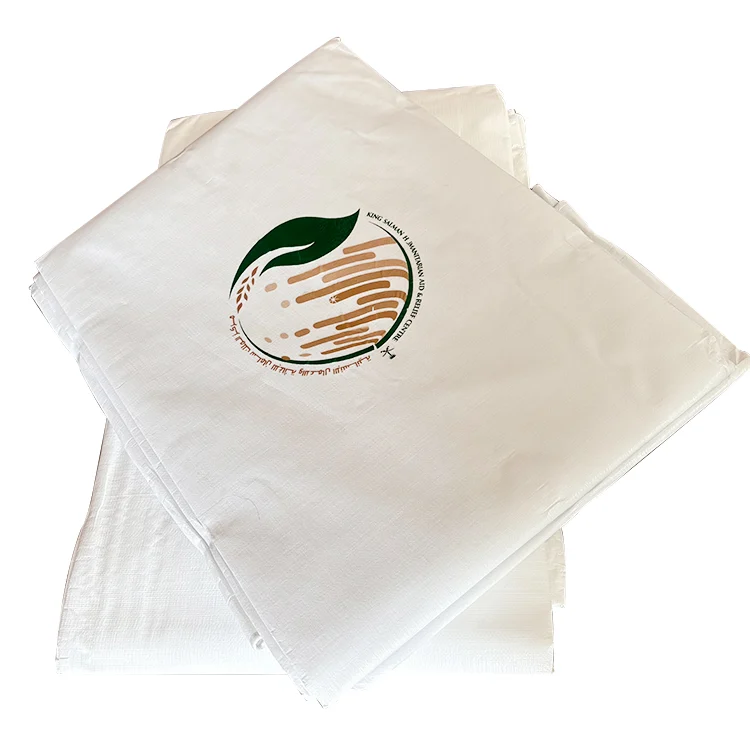
Key Takeaway: If your project lasts under 9 months, requires frequent folding/moving, or relies on a one-person crew, choose a 140–200 GSM reinforced PE tarpaulin. If you need continuous highway transport, high-abrasion machinery protection, ...
VIEW MORE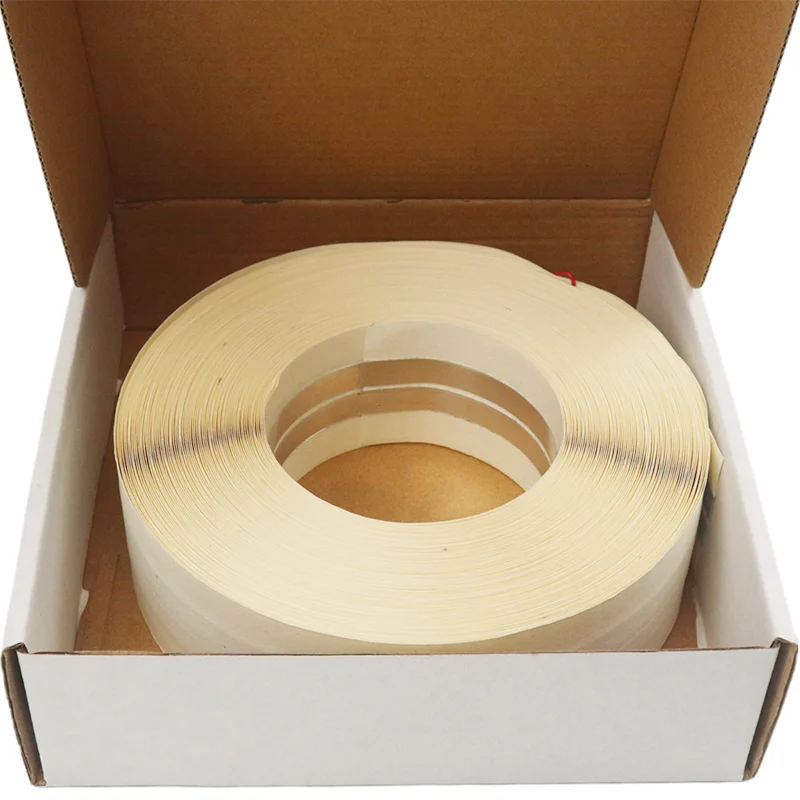
Key Takeaway: Never, under any circumstances, use fiberglass mesh tape on an outside 90-degree corner. If you want straight, crack-free, impact-resistant external corners that survive furniture knocks and house settling, mud-set paper-faced corne...
VIEW MORE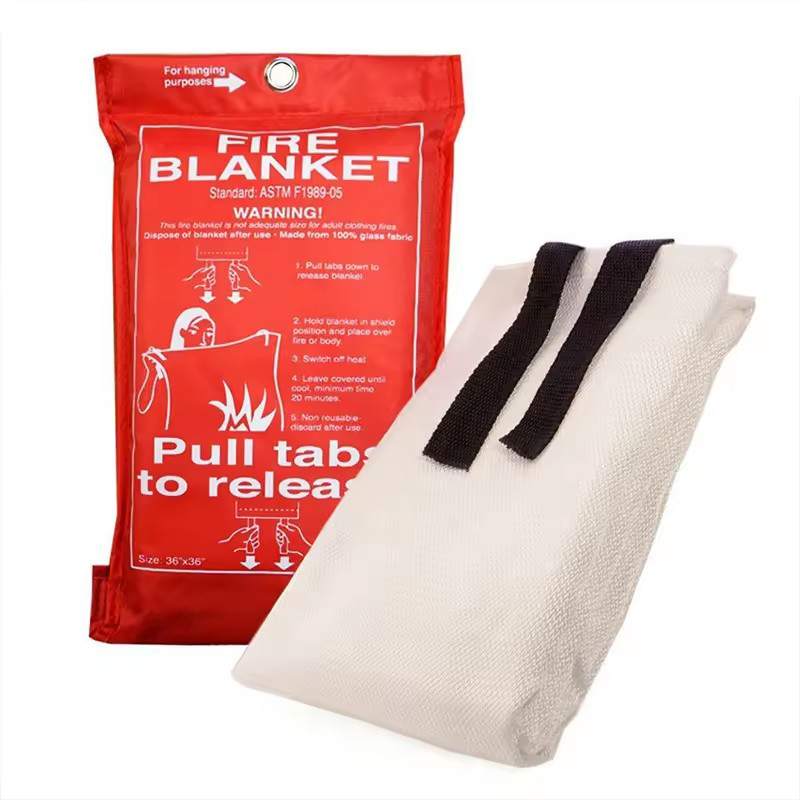
Testing Lithium Battery Fire Blankets to 1000°C: Standards, Field Tests, and What Safety Managers Must Know When you watch a 100 kWh battery pack go into catastrophic thermal runaway inside a test bay, you realize quickly that standard firefi...
VIEW MORE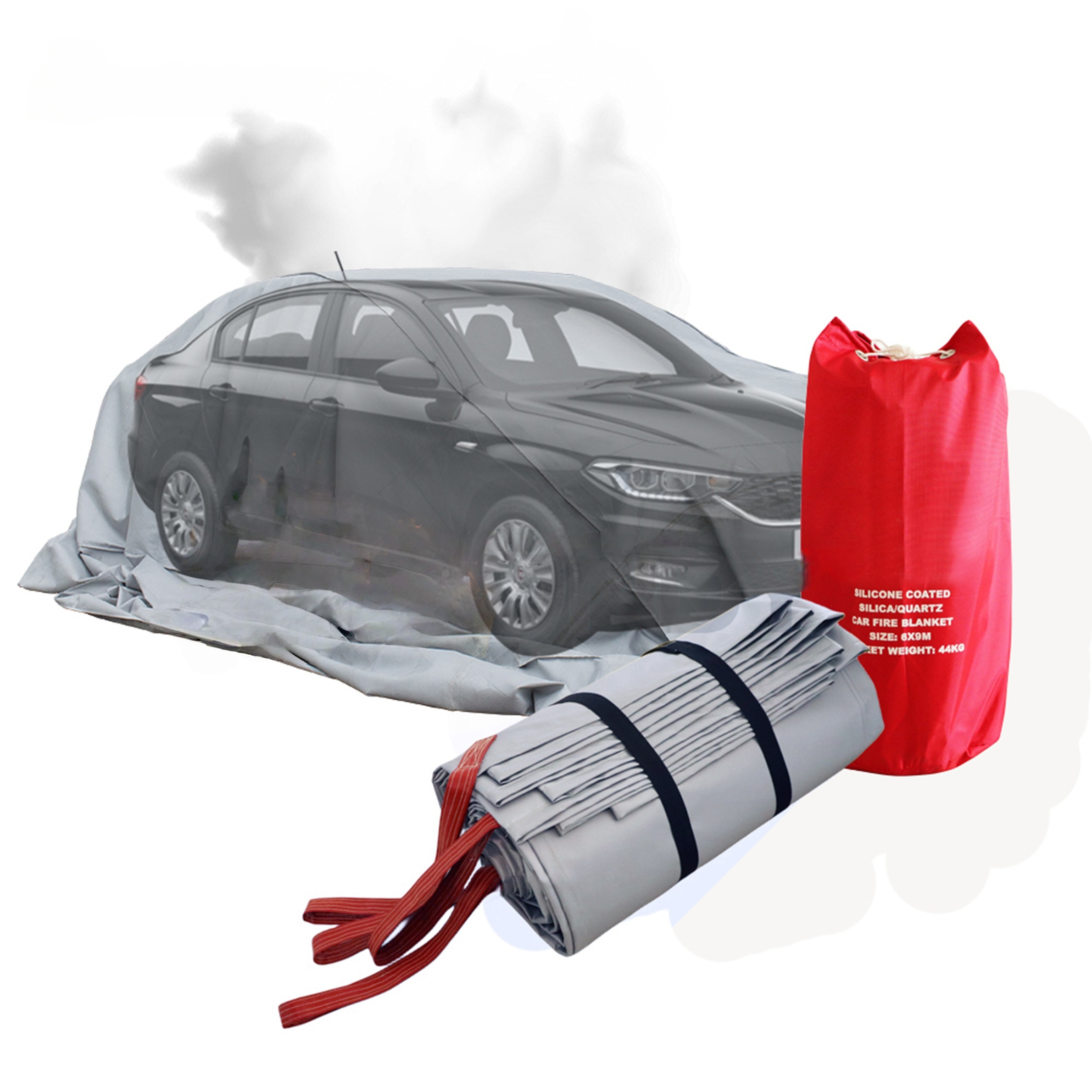
Why Most Fire Blankets Fail on EV Battery Fires (And What Actually Works in the Field) If you have ever stood next to an electric vehicle pack undergoing thermal runaway, you know that sickening jet-engine hiss. Within ninety seconds, temperature...
VIEW MORE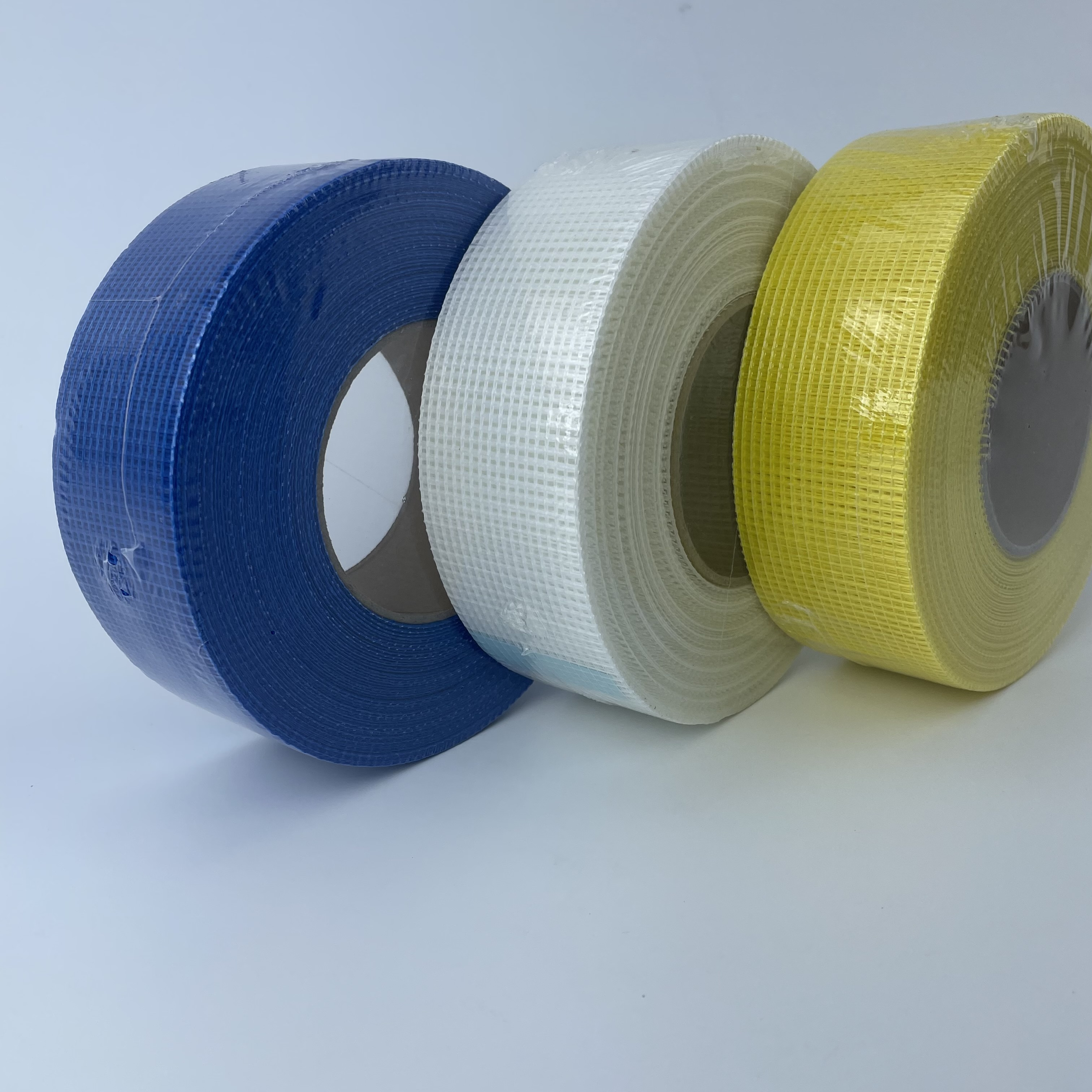
Gypsum Tape vs. Fiberglass Mesh: Choosing the Right Weapon for Drywall Joints For professional drywall finishers, the debate between traditional paper-backed gypsum tape and modern fiberglass mesh tape is as old as the trade itself. Both products s...
VIEW MORE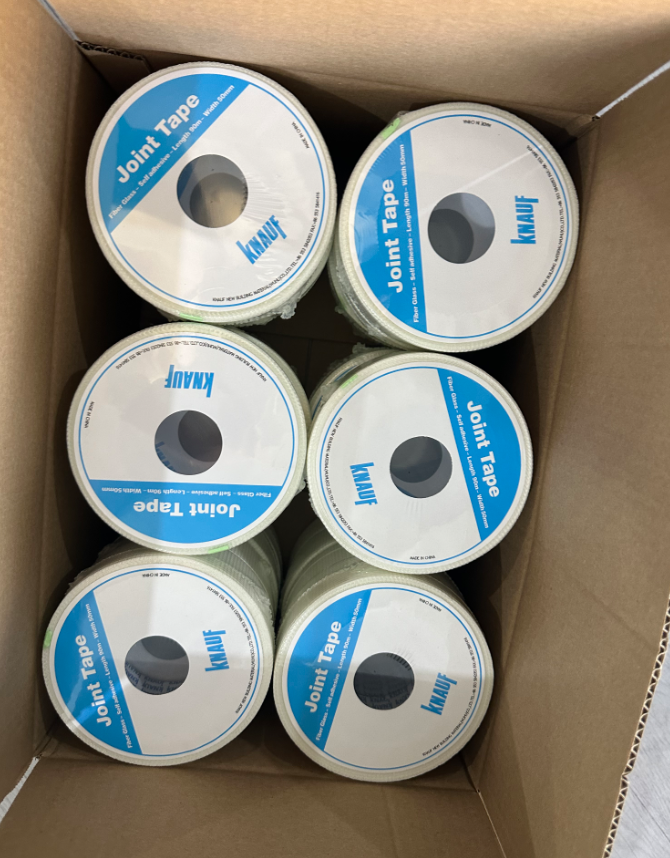
The Hidden Danger of Moisture: Why Self-Adhesive Mesh Tape Needs a Dry Surface For many contractors in the drywall and plastering trades, self-adhesive fiberglass mesh tape is a favorite tool. It eliminates the messy step of applying joint compound...
VIEW MORECopyright © 2025 by Shandong Rondy Composite Materials Co., Ltd. — Privacy Policy
 EN
EN