 EN
EN

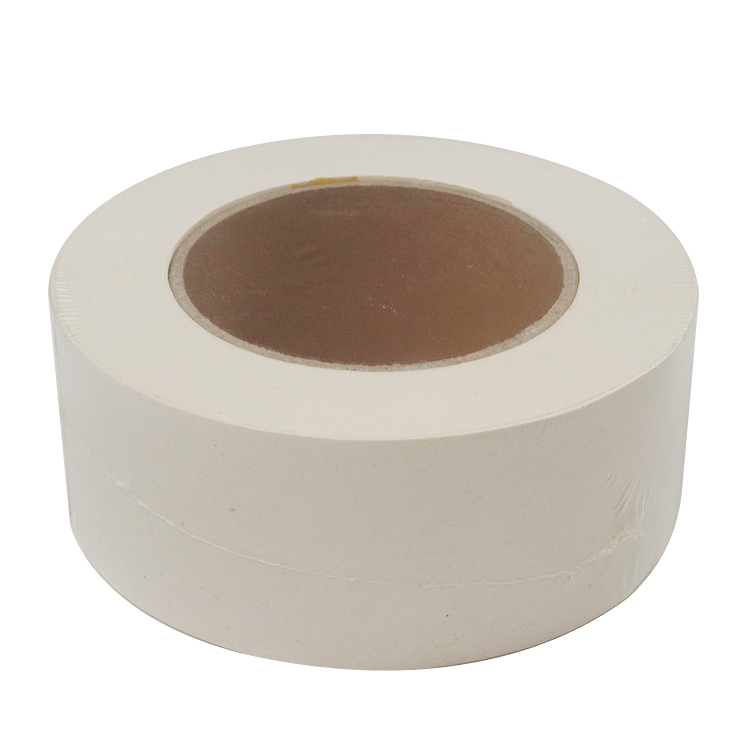
Key Takeaway
Never ship unprotected joint tape across oceans
Standard poly bags allow micro permeation that triggers fiber swelling and edge ruin
Upgrade to aluminum foil barrier laminates with at least three grams of desiccant to secure zero defect delivery
Container Rain The Silent Killer of Export Paper Tape
Ocean freight containers are aggressive microclimates
As your shipment crosses the equator internal container temperatures swing from fifty degrees Celsius during the day down to fifteen degrees at night
This radical thermal cycling creates container rain which is liquid condensation dripping directly from the steel ceiling onto your cargo
Gypsum joint tape is highly hygroscopic
The highly porous kraft paper fibers grab this ambient moisture out of the air instantly
When paper tape absorbs water it does not soften gypsum because there is no gypsum in the tape itself
Instead the moisture breaks down the cellulose wood fibers
This fiber swelling causes the roll edges to buckle and distort
When the drywall taper attempts to run a water damaged roll through a bazooka automatic taper the swollen edges catch and rip constantly
A ripped tape line midway through a ceiling run costs installation crews hours of labor and leads to immediate distributor chargebacks
Barrier Performance Aluminum Laminates vs Standard Polyethylene Wraps
Many purchasing departments try to save pennies by wrapping paper tape in standard three mil or four mil polyethylene film
In a sea container environment this is a high risk gamble
Polyethylene has a high moisture vapor transmission rate that allows humidity to seep through within fourteen days of ocean transit
Aluminum laminates create a true physical shield that stops gas molecules completely
| Packaging Material Type | Moisture Vapor Transmission Rate | Average Safe Transit Window | Edge Protection Performance |
|---|---|---|---|
| Standard 4-mil Poly Film | High transmission rate of up to one gram per hundred square inches daily | Under fourteen days in high humidity | Poor as humidity seeps through film micro pores and swells roll rims |
| Aluminum Foil Laminate | Near zero transmission below zero point zero one grams daily | Exceeds one hundred eighty days | Excellent as the metallic barrier blocks all saltwater vapor and humidity |
| Coated Metallized PET | Low transmission rate around zero point zero five grams daily | Up to ninety days | Moderate to high preventing moisture ingress on standard transpacific routes |
The Science of Desiccant Loading for Two Hundred Meter Rolls
Sealing your joint tape in a barrier bag is only half the battle
You must also neutralize the static moisture trapped inside the bag headspace during factory packing
For a standard two hundred meter paper tape roll with an internal volume of two liters a tiny desiccant packet is insufficient
-
The One Point Eight Gram Silica Trap
A standard one point eight gram silica gel packet saturates far too quickly under sea freight conditions
Once the internal bag relative humidity passes forty percent the small desiccant stops absorbing moisture
This allows the paper tape edges to soft swell and lose their factory crispness -
The Three Point Five Gram Bentonite clay Standard
Upgrading to a three point five gram bentonite clay or premium silica unit ensures a wide safety margin
It continuously adsorbs moisture throughout a sixty day voyage
This keeps the internal bag relative humidity below thirty percent
This low humidity level prevents mold growth and preserves the dry tensile strength of the paper fibers
Preventing Roll Deformation Vertical Stacking Rules
Road vibrations and ocean swells exert continuous vertical forces on cargo pallets
How you stack the joint tape cartons inside the ocean container determines whether the rolls arrive flat or warped
-
Vertical Core Stacking Preferred
Always stack tape rolls vertically on their flat sides so the hollow core runs perpendicular to the pallet floor
In this orientation the heavy crush load is distributed evenly along the rigid circular paper cores
This eliminates the risk of flat spots and edge distortion -
Horizontal Stacking Hazard
Never stack rolls horizontally on their curved edges
Under the weight of upper cartons the bottom rolls will flatten into ovals
An oval roll cannot spin smoothly on a tape dispenser spool and will snap under tension during application
FAQ
| Question | Veteran QA Manager Answer |
|---|---|
| How can we check if our barrier bags are truly sealed | Implement the ASTM D3078 bubble emission test on your packaging line by submerging a sealed test bag in a vacuum chamber to check for air leaks |
| Will plastic fiberglass mesh tape survive sea humidity better than paper | While fiberglass yarn resists rot moisture still degrades the pressure sensitive adhesive backing causing the mesh tape to slide off the drywall during installation |
| What is the maximum moisture content allowed for export paper tape upon arrival | The paper tape must register below zero point eight percent moisture content when tested with a pin style moisture meter at the destination port |