 EN
EN

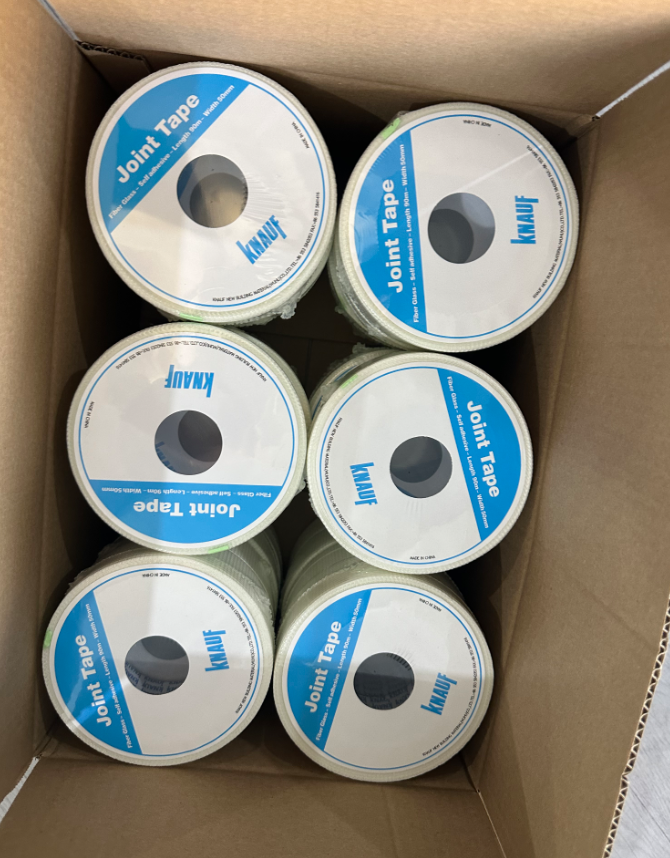
The Hidden Danger of Moisture: Why Self-Adhesive Mesh Tape Needs a Dry Surface
For many contractors in the drywall and plastering trades, self-adhesive fiberglass mesh tape is a favorite tool. It eliminates the messy step of applying joint compound behind the tape, speeds up the finishing process, and produces remarkably smooth seams when handled correctly. Yet, despite its popularity, a significant number of failures occur on the job site not because the tape is defective, but because the plaster beneath it is holding onto hidden moisture. When that tape is pressed onto a damp wall, the bond simply never forms. The adhesive might feel sticky to the touch, but the microscopic layer of water trapped between the tape and the plaster acts like a lubricant, turning what should be a permanent structural bond into a temporary, peeling failure. Understanding why this happens is crucial for any builder looking to avoid expensive callbacks.
The Real Reason Moisture Destroys Adhesive Performance
When a roll of self-adhesive mesh tape is applied to dry plaster, the pressure-sensitive adhesive flows slightly into the tiny pores and surface irregularities of the substrate. This creates a mechanical interlock that holds the tape firmly in place, supplemented by chemical bonding forces at the molecular level. However, when that same plaster contains even a thin film of standing water, the physics change instantly. Liquid water is a barrier that the adhesive simply cannot push through. Instead of gripping the plaster, the adhesive pushes against a film of fluid. In this scenario, the tape sits on a microscopic layer of water that prevents the glue from achieving intimate contact with the mineral surface. Consequently, the tape may appear to stick initially, but as the water slowly evaporates, tiny voids are left behind. These voids become stress concentrators. When the joint compound shrinks, those empty spaces encourage the tape to lift, bubble, and delaminate.
Debunking the "Moisture-Resistant" Label
Some tape manufacturers market their products with a "moisture-resistant" adhesive backing, which leads many tradespeople to believe they can apply the tape to slightly damp walls. This assumption is a dangerous and costly misunderstanding. Moisture-resistant adhesives are formulated to maintain their bond strength in humid environments, where moisture exists as vapor in the air. They are not engineered to displace liquid water on the surface. If the plaster is actively wet, the adhesive will lose the vast majority of its peel strength. Experienced general contractors have long observed that even the most highly touted acrylic-based adhesives fail catastrophically when pressed into plaster that feels cool and damp to the touch. The chemistry of the adhesive simply cannot overcome the mechanical barrier posed by liquid water.
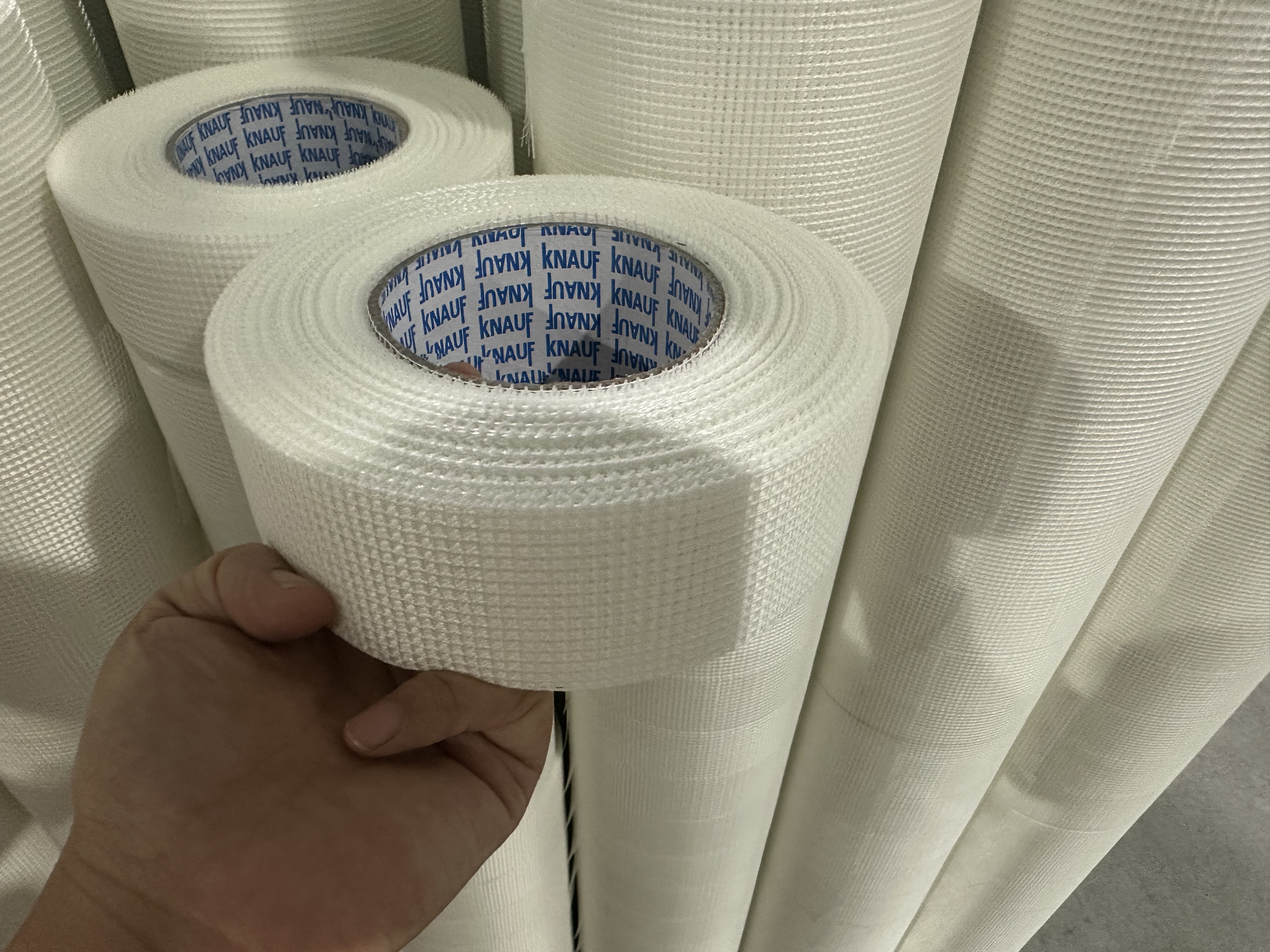
The Alkalinity Challenge of Fresh Plaster
Fresh plaster presents a double challenge. Beyond the issue of excess water, the material is highly alkaline, with a pH level often exceeding 12. This highly reactive chemical environment accelerates the breakdown of adhesives. As the plaster cures and hydrates, it actively pulls moisture away from the tape's backing. During this process, soluble salts can migrate to the surface, crystallizing at the tape-plaster interface. This creates a powdery, friable weak boundary layer that destroys adhesion. Even if the tape remains in place long enough for the plaster to dry completely, the adhesive that was initially compromised by alkaline moisture will never recover its internal cohesive strength. It is a permanent, irreversible failure of the bonding agent.
Reading the Surface Signs: Dry, Damp, or Wet
Checking plaster for readiness requires more than a quick glance. A true craftsman does not rely on labels; they rely on physical observation. Dry plaster feels warm to the touch, has a matte, uniform color, and absorbs water quickly when splashed. This is the ideal condition for applying self-adhesive tape. Damp plaster tends to feel cool and exhibits darker patches that do not reflect light as brightly. In this state, the adhesive may make partial contact, but the bond will be unpredictable and weak, prone to failure under minimal stress. Wet plaster is visibly dark, cold, and often has a sheen from standing water. Applying tape to this surface is a waste of time and materials. The moisture will instantly neutralize the adhesive's tack, leaving the tape sitting loosely on the wall without any real grip.
How Surface Contamination Compounds the Moisture Problem
Moisture alone is damaging enough, but it rarely travels alone. When plaster is wet, dust, sanding residue, and soluble efflorescence salts are easily washed to the surface. These contaminants create a barrier that further reduces the surface energy of the wall. For a pressure-sensitive adhesive to wet out properly, the surface must have a high enough surface energy to allow the glue to spread thinly over the surface area. Dirt, dust, and salt deposits lower this surface energy significantly. When combined with the barrier effect of standing water, the adhesive's ability to anchor into the plaster drops practically to zero. Therefore, just wiping the surface with a wet rag is never a sufficient preparation. The wall must be both clean and completely dry to ensure the tape sticks correctly.
Preventing Future Headaches with a Simple Moisture Test
Before committing to a large drywall job, it is wise to perform a simple, time-honored moisture test. A contractor can tape a small square of clear plastic film over the plaster and leave it for twenty-four hours. If condensation forms under the plastic, the plaster is still off-gassing moisture. This is a definitive indication that the wall is not ready for self-adhesive mesh. For more precise measurements, a calibrated moisture meter is a far more reliable tool. Industry best practices suggest that plaster should ideally have a moisture content of five percent or less by weight before any adhesive-backed materials are applied. Checking these numbers takes less than a minute but saves the project from the headache of peeling tape and cracking joints.
Alternative Solutions When Time Constraints Force Action
In the real world of construction, timelines are tight, and waiting for plaster to dry is not always possible. When the substrate is too damp for self-adhesive tape, smart installers switch to mechanical methods. Setting-type joint compounds, which harden through a chemical reaction rather than simple evaporation, can be used to create a mechanical lock. In this method, the tape is simply pressed into the wet mix of the compound, which grabs the fibers and holds the tape in place regardless of the moisture content of the underlying plaster. Similarly, for masonry walls that are chronically damp, using a fiberglass-reinforced paper tape embedded in a polymer-modified mortar is a far superior choice. These methods do not rely on factory-applied adhesives, giving the installer a chance to work around the moisture problem entirely.
How Manufacturing Quality Defines the Tape’s Reliable Performance
Ultimately, achieving a perfect joint relies on two pillars: flawless execution on the job site and consistent quality in the product itself. The tensile strength of the fiberglass mesh, the uniformity of the adhesive coating, and the resilience of the backing paper all dictate the ease of application and the longevity of the repair. High-tier manufacturers who strictly operate within recognized quality management systems, such as ISO 9001, maintain rigorous standards for raw material testing. By keeping strict oversight over the production lifecycle—from the fiberglass weaving process to the precise application of the adhesive—factories can guarantee that their tape will perform predictably when it is finally applied to a properly prepared surface. For drywall professionals who rely on their tools to deliver flawless results, sourcing products from a transparent supply chain provides the confidence needed to deliver top-tier work.