 EN
EN

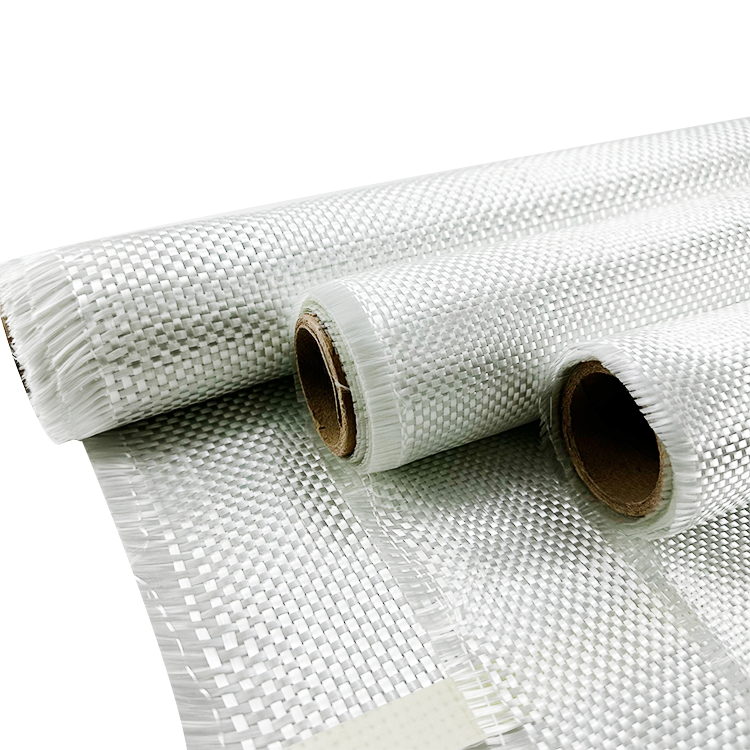
Understanding the Structure and Flexibility of Fiberglass Chopped Strand Mat
Fiberglass chopped strand mat (CSM) features a randomly oriented fiber structure that delivers isotropic strength—reinforcing evenly in all directions. This non-woven architecture enables exceptional conformability to curved and complex surfaces, making it highly adaptable for hand lay-up and spray-up molding of intricate parts.
How the random fiber structure impacts moldability
The random arrangement of chopped glass fibers creates a flexible, drapable reinforcement that conforms smoothly to mold contours without wrinkling or bridging. This uniform fiber distribution promotes consistent resin flow during wet-out, minimizing dry spots and air entrapment—key contributors to laminate voids and structural weakness.
Drapability and conformability to curved and complex surfaces
CSM excels at covering compound curves, deep draws, and undercuts with minimal trimming or stretching. Its ability to drape seamlessly supports efficient fabrication of marine hulls, bathtubs, architectural cladding, and other geometrically demanding components—without sacrificing fiber alignment or saturation integrity.
Comparison with woven roving and other reinforcement forms
Woven roving gives good strength in specific directions but doesn't bend well around tight corners. On the other hand, CSM can be molded into all sorts of sharp curves and odd shapes without much trouble. The main difference is that woven materials have better tensile strength along their weave direction. But when it comes to working with them, CSM wins out because it behaves similarly in all directions and handles much easier. For people working with open mold processes, this makes CSM the go to material when they need something that forms quickly and covers surfaces consistently.
Performance in Common Molding Processes: Hand Lay-Up and Spray-Up
Resin flow and wet-out behavior in open mold applications
The high porosity and random arrangement of fibers in CSM lets resin soak in fast and evenly, which makes all the difference in open mold work. When doing hand lay-ups, materials get saturated properly without needing too much fussing around. This cuts down on air pockets forming between layers and helps create stronger bonds where layers meet. Getting good wet out really does translate into better strength overall and fewer problems after curing, though there are always some exceptions depending on how careful the process is managed.
Use in hand lay-up: Achieving uniform coverage in sink molds
The hand lay-up method really takes advantage of CSM's flexible nature to get good coverage throughout complex shapes such as sink molds. When working on these tricky forms, getting consistent thickness and making sure everything gets properly saturated helps avoid those weak spots we all want to prevent. Workers can manually apply materials using rollers or brushes, which lets them tweak things on the spot as they go along. This hands-on approach actually works better for integrating fibers with resin when dealing with irregular surfaces. Because of this flexibility, many shops still prefer hand lay-up for small batch runs or one-off parts where the design just doesn't lend itself well to automated processes.
Integration with automated spray-up and rotational forming
CSM works really well with those automated spray up systems where chopped fibers get mixed with resin at the same time, giving fast and consistent coverage across big surfaces like storage tanks, protective enclosures, and those massive flat panels we see everywhere these days. The material's ability to bend and shape makes it great for rotational molding too, so when working on curved parts there's no risk of gaps or weak spots forming between layers. Getting the right balance between resin and mat is super important though, whether using one method or the other. If this ratio isn't spot on, problems like dry patches or air bubbles can develop, which nobody wants when building something meant to last for years.
Resin Compatibility and Its Impact on Moldability
How fiberglass chopped strand mat works with polyester resin makes all the difference when it comes to getting good moldability results. The polyester stuff has this really low viscosity that lets it flow easily, plus it wets out quickly which matches up nicely with the open structure of CSM material. This combination allows the resin to penetrate thoroughly while making sure everything gets saturated evenly across the surface. Most shops go with around 2 parts resin to 1 part mat, sometimes going up to about 2.5 to 1 depending on what they're working on. Going beyond that tends to create problems though - too much resin can pool in places and lead to brittle spots or cracks forming on the finished product's surface. Finding that sweet spot between proper wetting and avoiding excess is what keeps things strong and durable in the long run.
Challenges and Benefits of Using Epoxy with CSM
Epoxy resins have great mechanical strength and resist chemicals pretty well, though they come with their own set of problems because of that thick consistency. Getting them to fully soak into CSM material isn't easy at all. Most times, people need special methods like vacuum infusion systems or just applying extra pressure with rollers to get the resin where it needs to go. But when done right, these epoxy-CSM combinations create much stronger connections between layers, experience less shrinking during curing, and hold up far better under stress or exposure to harsh chemicals than other options available on the market today.
Optimizing Resin-to-Mat Ratio for Complete Wet-Out and Minimal Voids
Keeping the resin to CSM ratio somewhere around 2:1 to 2.5:1 by weight can cut down on voids by about 60% when compared with ratios that aren't optimized properly. When working with these materials, it makes sense to apply the resin in thin layers rather than thick globs. A good approach is to use either a notched roller or squeegee so the stuff spreads evenly across the surface. Also important is matching the resin's viscosity and gel time with how fast the mat absorbs it. Getting this right leads to better wet-out throughout the material, stronger laminates overall, and means fewer headaches from having to fix mistakes later on during production runs.
Best Practices for Mold Design and Mat Application
Minimizing Bridging and Air Pockets in Complex Geometries
Despite how well CSM conforms to shapes, there are still problems when dealing with deep draws or those tricky sharp corners that tend to cause bridging issues or trap air pockets. When designing molds, it makes sense to include draft angles somewhere between 1 and 3 degrees, plus some decent fillet radii so the mats actually make good contact throughout. Putting vents in strategic spots at the highest parts of the mold helps air escape while applying resin. Some folks in the industry have found this approach cuts down on voids by around half, though exact numbers vary depending on specific conditions and materials used.
Layering, Trimming, and Seam Placement for Seamless Results
When working with thick laminates, using several lighter CSM layers actually works better than going for one heavy layer. The resin gets into the material more evenly this way, and there's less chance of those annoying dry spots forming. A good practice is to overlap the seams about 10 to 15 millimeters and make sure they don't line up across different plies. Stacked joints are trouble spots that can cause problems down the road. Cutting the mats into smaller pieces before laying them down makes things much easier to handle. This approach gives better control when fitting materials, especially important for big projects or curved surfaces where stretching and tearing tend to happen more often.
Selecting the Right Weight and Binder Type for Mold Compatibility
The weight of CSM material ranging from 225 to 900 grams per square meter along with the chemical makeup of binders plays a big role in how well it can be molded. When working with lighter materials between 225 and 450 g/m², they tend to drape better around intricate shapes and tight corners which is great for detailed work. Heavier versions work faster when building up larger flat sections though. Soluble binders break down fast in polyester resins making them perfect for manual application methods. Emulsion binders hold their shape better during automation processes or complicated jobs where stability matters most. Getting the right combination of binder type with specific resins and manufacturing techniques can boost shop productivity quite a bit and cut down on wasted materials according to what many composite manufacturers have observed over years of experience.
FAQ
What is fiberglass chopped strand mat?
Fiberglass chopped strand mat (CSM) is a type of reinforcement material made of randomly oriented glass fibers bonded together. It is used for creating structures through various molding processes.
How does CSM compare to woven roving?
CSM offers good moldability and conforms easily to complex shapes compared to woven roving which provides strength in specific directions but doesn't conform well to tight curves and shapes.
What materials can be used with CSM for optimal results?
CSM works well with both polyester and epoxy resins, though polyester is preferred for its ease of wet-out due to lower viscosity.
What are the typical applications for CSM?
CSM is used in marine fabrication, architectural cladding, bathtubs, sinks, and large panels requiring good moldability combined with uniform resin distribution.
How can I ensure complete resin wet-out while using CSM?
Maintaining a resin-to-CSM ratio between 2:1 and 2.5:1 by weight, and applying resin in thin layers using notched rollers or squeegees helps achieve thorough wet-out.
What are the best practices for designing molds with CSM?
Including draft angles between 1-3 degrees and adding fillet radii, along with strategically placed vents, helps avoid bridging and air pockets in complex geometries.