 EN
EN

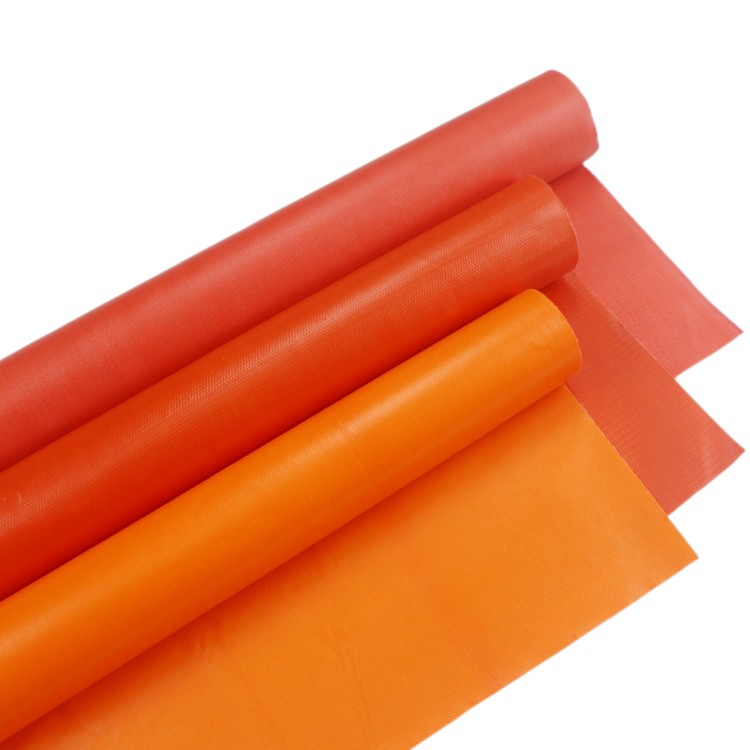
Chemical Resistance Properties of Silicone Coated Fiberglass Fabric
Silicone coated fiberglass fabric offers superior corrosion resistance due to its unique chemical composition and protective characteristics. The synergy between the E-glass fiberglass substrate and the methyl-vinyl-polydimethylsiloxane (MVQ) silicone coating creates a durable, chemically inert barrier ideal for demanding industrial environments.
Molecular Stability of Silicone Polymers in Acidic and Alkaline Environments
MVQ silicone holds up really well when exposed to harsh pH environments. Organic coatings tend to break down when they come into contact with acids or bases, but silicone has this unique combination of inorganic and organic components. The material forms strong silicon-oxygen bonds that stay intact even when water molecules try to break them apart. Because of this chemical stability, the material works consistently in places where pH can swing from super acidic (around pH 2) all the way to very basic conditions (pH 12). That makes MVQ silicone ideal for things like chemical plants where corrosive substances are common, or for products that need to withstand years of weathering outdoors without losing their protective qualities.
Inertness Against Oxidizing Agents and Solvents Common in Industrial Settings
Silicone coatings don't react much with oxidizing agents, various solvents, or those pesky hydrocarbon leftovers from fuels. This kind of chemical stability matters a lot for things like diesel powered lawn mowers and heavy industrial machinery. Around these areas, fuel fumes and harsh chemicals tend to break down regular protective coatings over time. What makes silicone stand out is that it just doesn't swell up, get all gooey, or dissolve away like PVC or polyurethane coatings often do when exposed to similar conditions. That means better protection lasts longer without needing constant replacement.
Comparative Data: Silicone-Coated vs. PVC- and PU-Coated Fiberglass in ASTM G101 Corrosivity Tests
Standardized ASTM G101 testing highlights the superiority of silicone-coated fiberglass:
| Coating Type | Acid Resistance (pH 2) | Alkali Resistance (pH 12) | Solvent Resistance | Estimated Service Life |
|---|---|---|---|---|
| Silicone | No degradation | No degradation | Excellent | 10–15 years |
| PVC | Moderate degradation | Severe degradation | Poor | 3–5 years |
| PU | Severe degradation | Moderate degradation | Fair | 2–4 years |
After 1,000 hours of exposure to industrial chemicals, silicone-coated fabrics retained over 95% of their original tensile strength, while PVC and PU coatings experienced 40–60% strength loss under the same conditions.
Why High-Temperature Stability Enhances Low-pH Resistance Instead of Compromising It
The thermal stability of silicone works hand in hand with its chemical resistance instead of working against it. While most organic polymers break down when exposed to both heat and chemicals at the same time, silicone actually gets better at resisting corrosion as temperatures rise. Its crosslinked molecular structure makes it harder for harmful ions to penetrate the material when things get hot. What this means practically is that the ability to withstand heat actually boosts how well it resists chemicals too. This combination gives silicone exceptional protection properties in places where both extreme heat and corrosive substances are present together, like car exhaust systems or factory equipment housings that need to last through tough conditions day after day.
Core Material Composition: How E-Glass and Silicone Rubber Work Together
E-Glass Fiberglass Substrate: Structural Integrity and Ion Diffusion Barrier
E-glass fiberglass serves as the backbone for many industrial applications because it offers solid mechanical strength. What makes this material really stand out is how it forms a thick, practically impermeable layer that stops ions from moving through it. The way it's made with continuous filaments creates a protective shield against corrosion, keeping those damaging chemicals away from whatever metal surface lies beneath. Plus, since it's inorganic at its core, it doesn't break down when exposed to various chemicals and keeps its shape even after years of service. And let's not forget about temperature changes. Because E-glass has such a low thermal expansion rate, it can handle extreme heat or cold without cracking up over time. This means equipment using this substrate stays reliable for much longer periods, especially in tough environments where regular materials would fail.
Silicone Rubber Coating: Methyl-Vinyl-Polydimethylsiloxane (MVQ) Crosslinking Mechanism
MVQ silicone coatings are cured using platinum catalysts which creates this special 3D crosslinked network structure. What makes this material stand out is how it resists things like oxidation, UV damage, and chemicals getting through, all while staying flexible even when temperatures drop below freezing or rise above 250 degrees Celsius. The surface becomes really water repellent too, with surface energy measurements under 25 mN/m. This property stops electrolytes from sticking to the material, which means it blocks those pesky galvanic corrosion issues that can develop in harsh industrial settings where different metals come into contact.
Performance in Harsh Industrial and Outdoor Environments
Silicone coated fiberglass fabric excels in demanding applications, maintaining structural and chemical integrity under prolonged exposure to extreme conditions.
Long-Term Field Performance in Chemical Processing Plants: 5-Year Dow Chemical Study (2021)
Dow Chemical conducted a field test back in 2021 looking at how this fabric holds up in chemical processing settings across a five year period. When samples were left in environments with constant exposure to acid vapors and extreme temperature changes ranging from minus 40 degrees Celsius all the way up to 200 degrees Celsius, they didn't show any signs of surface cracks or peeling layers. What's more impressive is that these materials kept around 95% of their initial tensile strength throughout the testing period. These findings really speak volumes about the material's ability to last for extended periods under harsh conditions, giving it a clear edge when compared to other coating options currently available on the market.
Resistance to Diesel Fuel Vapor and Hydrocarbon Byproducts in Diesel Lawn Mowers Enclosures
In diesel lawn mowers and outdoor power equipment, the fabric resists fuel vapors and hydrocarbon byproducts without absorbing or swelling. Its non-porous silicone surface maintains barrier integrity in enclosed spaces where vapors accumulate, protecting sensitive components from degradation and ensuring reliable operation over time.
Key Silicone Coating Properties That Prevent Corrosion Over Time
Hydrophobic Surface Energy (<25 mN/m) Minimizes Electrolyte Adhesion and Galvanic Corrosion
Silicone coatings have this really low surface energy level below 25 mN/m, which makes them super hydrophobic. What does that mean practically? Well, it means they just don't like water or those nasty corrosive electrolytes hanging around. When materials are left out in places where acid rain falls, salt gets sprayed from ocean winds, or chemicals might splash onto surfaces, these coatings do their job well. Water simply forms beads and rolls right off instead of sticking around. The best part is that this protection lasts without needing any extra treatments down the road, maintaining its effectiveness even after repeated exposure to harsh conditions.
Thermal Reversibility and Self-Healing of Microcracks at 200°C
Silicone coatings can actually reverse damage when heated, which means they heal tiny cracks all on their own at temps around 200 degrees Celsius. If something gets scratched or worn down from constant heat changes, those long molecules inside just rearrange themselves again once warmed up. This fixes spots where rust might start forming otherwise. For stuff that needs to last forever in hot environments like car exhaust parts, this healing property really matters because regular coatings tend to break down after so many temperature swings. What makes it work so well is how these materials stay flexible even while protecting against wear and tear over time. Most manufacturers have noticed this advantage in their products lately.
FAQs
What makes silicone coatings chemically stable?
Silicone coatings are chemically stable due to their strong silicon-oxygen bonds that remain intact even in extreme pH conditions, protecting surfaces from corrosive substances.
How does silicone-coated fiberglass compare with PVC and PU coatings?
Silicone-coated fiberglass is superior in terms of chemical resistance and durability, with significantly longer service life compared to PVC and PU coatings, which exhibit degradation under industrial conditions.
What are the temperature stability benefits of silicone coatings?
Silicone coatings offer enhanced chemical resistance with rising temperatures due to their crosslinked molecular structure, providing exceptional protection in environments with both heat and corrosive substances.
How does the E-glass substrate contribute to corrosion resistance?
The E-glass substrate provides structural integrity and acts as an ion diffusion barrier, preventing damaging chemicals from penetrating and corroding underlying metal surfaces.
Table of Contents
-
Chemical Resistance Properties of Silicone Coated Fiberglass Fabric
- Molecular Stability of Silicone Polymers in Acidic and Alkaline Environments
- Inertness Against Oxidizing Agents and Solvents Common in Industrial Settings
- Comparative Data: Silicone-Coated vs. PVC- and PU-Coated Fiberglass in ASTM G101 Corrosivity Tests
- Why High-Temperature Stability Enhances Low-pH Resistance Instead of Compromising It
- Core Material Composition: How E-Glass and Silicone Rubber Work Together
- Performance in Harsh Industrial and Outdoor Environments
- Key Silicone Coating Properties That Prevent Corrosion Over Time
- FAQs