 EN
EN

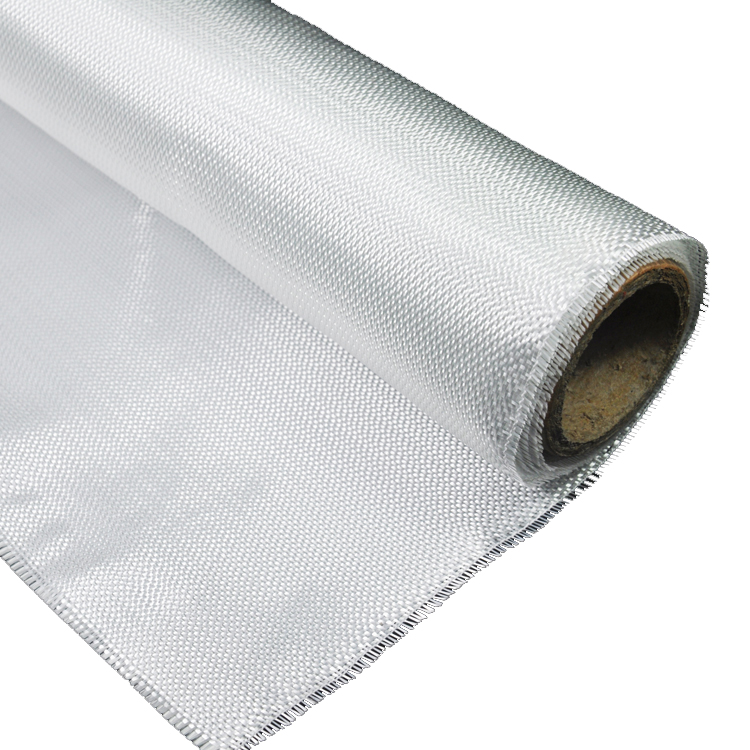
Why a Car Fire Blanket Is Essential for Modern Vehicle Safety
Most drivers think about jumper cables and maybe a first aid kit when packing emergency gear, but few consider the importance of having a car fire blanket on hand. The truth is, vehicle fires start fast - often because of electrical problems, fuel leaks, or parts getting too hot. What begins as a small spark can turn into something dangerous within just 120 seconds flat. Fire blankets work differently than regular extinguishers. They basically wrap around whatever's burning, block oxygen, and trap heat all while staying clean and easy to handle. Fire departments deal with around 170 thousand car fires every year across America alone. That's why these compact, reusable blankets matter so much now. As cars get smarter with all those electronic systems and powerful batteries inside them, having quick access to fire suppression becomes more than just smart advice. It's actually pretty much necessary at this point.
Key Features That Define an Effective Car Fire Blanket
An effective car fire blanket combines optimal size, advanced materials, and certified performance to handle emergencies. Key characteristics determine its reliability during critical moments.
Optimal Size and Portability for In-Car Storage and Rapid Deployment
Car fire blankets need to strike a good balance between being small enough to store somewhere handy and big enough to actually do the job when needed. Most come in standard sizes around 1.5 meters by 1.5 meters up to about 2 meters square. These dimensions work pretty well because they offer decent coverage without making the blanket too bulky to carry around. The lighter ones weigh less than 2 kilograms which makes them easier to grab quickly in an emergency situation. Many manufacturers include reinforced storage bags these days so people can keep their fire blanket safely tucked away either behind the driver seat or inside the glove box where it won't get lost or forgotten during those critical moments.
Fire-Resistant Materials: Fiberglass vs. Oxidized Polyacrylonitrile vs. Silica Fabric
What materials we pick makes all the difference when it comes to how well something can handle heat and last over time. Fiberglass is pretty affordable and works great for temperatures around 550 degrees Celsius, which covers most small engine fire situations. Then there's oxidized polyacrylonitrile, often called OPAN for short. This stuff bends better than regular materials while still standing up to much higher temperatures, so it's perfect when things get hot for longer periods. For really extreme cases though, nothing beats silica fabric. It can take temperatures past 1800 Fahrenheit or nearly 1000 degrees Celsius. Firefighters find this especially useful during electric vehicle battery fires because these incidents tend to produce intense heat that lasts far longer than traditional fires. The downside? Silica gear tends to be heavier and costs more upfront, but many departments consider it worth the investment given modern firefighting challenges.
Temperature Resistance and Certification Standards (EN13501-1, NFPA701, SGS)
Safety certifications are what really back up those claims about fire resistant blankets. Take EN13501-1 for instance, it looks at how flames spread across materials and measures the amount of heat released. Then there's NFPA701 which specifically checks how well fabrics resist vertical flames. And don't forget SGS certification either, that one makes sure the materials stay intact even when exposed to high temperatures without releasing toxic fumes. The best quality fire blankets can actually hold up against temperatures reaching 1000 degrees Celsius for more than 15 whole minutes. This kind of performance is absolutely essential during emergencies involving gasoline spills, oil leaks, or electrical malfunctions. These blankets buy precious time to contain the situation safely until firefighters get there.
Car Fire Blanket Use Cases: From Conventional Engine Fires to EV Battery Incidents
Suppressing Small-Scale Combustion in Gasoline/Diesel Vehicles
Car fire blankets offer quick protection from standard vehicle fires by putting out flames and blocking oxygen supply. These blankets work well against fires in engine compartments, handle fuel line leaks, and even tackle electrical short circuits. According to research published in Fire Safety Journal last year, internal combustion engine fires can hit around 1000 degrees Fahrenheit within just under two minutes flat. That's why having something ready to deploy fast matters so much. When deployed correctly, these blankets form a heat shield that stops flames from spreading further while also cutting down on the intense heat radiating outward. This gives people inside the vehicle precious extra minutes to get out safely and might save the whole car if action is taken right away after noticing smoke or sparks.
Limitations and Strategic Role of Car Fire Blankets in Lithium-Ion Battery Thermal Runaway
Fire blankets for cars work pretty well at putting out the visible flames from electric vehicle battery fires, though they won't actually stop what's going on inside the battery itself. The blankets block oxygen which stops the flames from spreading visibly, but down below the surface the chemical reactions keep happening, creating flammable gases that could still explode. These EV battery fires get really hot too, sometimes over 1800 degrees Fahrenheit and can burn for several hours straight, way beyond what regular fire blankets are made to handle. That means fire blankets are really just a short term fix while waiting for help. Best practice is to use them along with constant water cooling and then call in professionals who know exactly what they're doing. Safety first folks - stay back at least 100 feet away for about half an hour after deploying anything, just in case there's another flare up or something vents unexpectedly.
How to Properly Store, Access, and Deploy a Car Fire Blanket in an Emergency
Best Practices for In-Vehicle Placement and Accessibility
A good spot for storing that car fire blanket would be somewhere obvious and within easy reach. Most people put theirs in the glove box, sometimes tucked into the center console, or even underneath where the driver sits. Just remember not to leave it out in the sun or near anything really hot since this stuff doesn't handle extreme temperatures well. Also worth mentioning, make sure whatever space you choose isn't jammed full of other junk. When there's smoke coming from under the hood, nobody wants to dig through a mess trying to find their fire blanket. Time matters when dealing with fires after all.
Step-by-Step Deployment Protocol: Safety First, Speed Second
When someone notices a car catching fire, they need to get off the road as far from other vehicles and anything that might catch flame. Shutting down the engine helps stop extra fuel from feeding the blaze. Grab the fire blanket from its special case, then move toward the fire from the opposite direction of the wind. Hold the blanket like a big piece of armor between oneself and the flames. Cover the burning area fully with the blanket to smother the oxygen supply. Important warning: don't take the blanket away too soon even when the flames seem gone because this can cause them to start again. Once the fire looks contained, call for help right away so professionals can check everything over and assess what dangers still exist.
Common Pitfalls: When and Why Not to Use a Car Fire Blanket
Never try using a car fire blanket on big fires that have already spread completely beyond what it can handle. These blankets just aren't made for those situations. Also steer clear from deploying them anywhere close to things that might explode, or while the car's electrical system is still running, which is particularly dangerous with electric vehicles going through thermal runaway issues. Keep in mind that fire blankets work best for small fires caught early before they get out of control. They definitely shouldn't replace actual firefighters who know what they're doing. Safety first always. If things look like they're getting too hot to handle, step back immediately and let the professionals deal with it. No point risking your life over something that could easily become a full blown disaster.
FAQ
What is a car fire blanket and why is it important?
A car fire blanket is a safety device that wraps around a burning object to block oxygen and trap heat. It's crucial for quickly addressing vehicle fires caused by electrical issues, fuel leaks, or overheated parts.
What materials are commonly used in car fire blankets?
Common materials include fiberglass, oxidized polyacrylonitrile (OPAN), and silica fabric. Each has its own temperature resistance and uses depending on the type of fire.
How should a car fire blanket be stored in a vehicle?
Store it in an obvious and easily accessible location such as the glove box or under the driver's seat, avoiding extreme temperatures and cluttered areas.
Can a car fire blanket be used for electric vehicle battery fires?
While they can smother visible flames in EV battery fires, they are only a temporary solution as chemical reactions continue inside the battery. Professional intervention is necessary for full containment.