 EN
EN

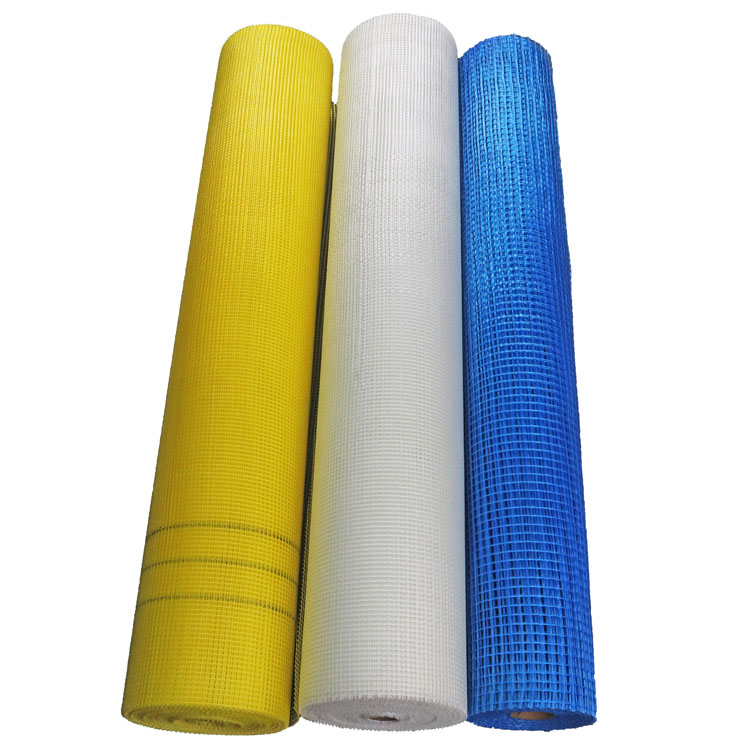
Understanding Fiberglass Chopped Strand Mat and Its Key Properties
What is fiberglass chopped strand mat?
Fiberglass chopped strand mat, or CSM as it's commonly called, consists of short glass fibers around 25 to 50 millimeters long that are randomly arranged and held together with a chemical binder. The way these fibers are laid out lets the material soak up resin quickly and evenly when making composites, which makes CSM work really well for both hand lay-up methods and spray-up techniques. Pair this stuff with polyester, vinyl ester, or epoxy resins and what happens? A strong reinforcement system develops across multiple directions. Best part? It bends and molds right into complicated shapes without much hassle. That's why so many manufacturers turn to CSM for everything from boat hulls to automotive parts and even architectural elements where strength meets form.
How chopped strand mat differs from other fiberglass reinforcements
Woven fabrics and unidirectional rovings give strength mainly along certain directions, but chopped strand mat works differently. It has what engineers call quasi-isotropic properties, which basically means it's strong pretty much everywhere around it. Sure, woven materials tend to be stronger when pulled along the fibers, but that comes at a price. Chopped strand mat can wrap around complicated shapes much better, draping smoothly without those annoying wrinkles or gaps that happen with other materials. Another big plus is how well the resin soaks into the material, creating laminates that are more uniform throughout. For covering big areas, chopped strand mat usually costs less than options like biaxial or continuous strand mats. The tradeoff? It just doesn't perform as well mechanically for each pound of material used compared to some alternatives.
Core properties of fiberglass chopped strand mat enabling broad application
Fiberglass chopped strand mat stands out because it works well with resins, provides even reinforcement in all directions, and is pretty straightforward to work with during manufacturing. The way the fibers are arranged randomly in this material helps ensure good wet-out throughout the layers, which reduces air pockets and creates stronger bonds between them. When paired with polyester resin, we typically see tensile strengths around 90 to 125 MPa and flexural strengths somewhere between 150 and 200 MPa. What makes CSM really special though is how resistant it is to chemicals and heat too. It can handle temperatures up to about 350 degrees Celsius before breaking down, plus it lasts for years under tough conditions. That's why so many industries rely on it for everything from boat hulls to storage tanks and other heavy duty structures where reliability matters most. Plus, considering the cost effectiveness compared to alternatives, it's no wonder companies keep coming back to CSM time after time.
Marine Applications of Fiberglass Chopped Strand Mat
Role of CSM in Boat and Shipbuilding with Polyester Resin
Fiberglass chopped strand mat plays a key role in marine construction work, especially when used together with polyester resin. What makes this combination so effective? Well, the resin itself is pretty affordable and stands up well against water damage. Meanwhile, the chopped strand mat provides strength in all directions. Together they form strong laminates that distribute stress evenly across structures like boat hulls, deck surfaces, and internal bulkheads. The resulting composite creates a seal against water penetration, which helps prevent those annoying blisters that often plague fiberglass boats sitting in saltwater for extended periods. Boat builders love working with this material because it's straightforward to apply, which explains why it remains popular whether building hundreds of identical vessels on assembly lines or crafting one-of-a-kind yachts.
Advantages of CSM in Hand Layup for Complex Marine Structures
What sets CSM apart is how well it conforms during hand lay-up work. When dealing with those tricky compound curves and complicated shapes, it just bends along without creating wrinkles or distortions. Boat builders really appreciate this because they can create smooth, streamlined hulls while maintaining even wall thickness throughout. Another big plus is how fast it soaks up resin. This means there are fewer chances of getting those annoying dry spots that weaken the final product. Plus, since hand lay-up doesn't need fancy tools or specialized equipment, repair jobs get done right on site when needed. Custom changes become much easier too, giving boat manufacturers real flexibility without breaking their budgets or workflow.
Case Example: FRP Boat Hulls Using Fiberglass Chopped Strand Mat
One boat builder making 28 foot fishing boats switched to using multiple layers of chopped strand mat combined with polyester resin for their fiberglass hull construction. They reported cutting down on maintenance expenses by around 40% compared to older materials according to Marine Composites Report from last year. When they applied between two and three layers of CSM material while rotating the direction each time, it resulted in a really strong laminate structure that stands up well against impacts and repeated stress. These boats have been performing reliably even after years in salt water conditions, dealing with constant sun exposure and all sorts of mechanical forces from daily operations. The results speak for themselves when looking at how well CSM holds up in marine environments where nothing but tough materials will survive long term.
Industrial Uses in Corrosion-Resistant Equipment
Fiberglass chopped strand mat in FRP pipelines and tanks
Fiberglass chopped strand mat serves as an important reinforcement material for FRP pipelines and storage tanks across various industries including chemical processing plants, wastewater treatment facilities, and general industrial manufacturing operations. What makes this material so effective is its unique non-woven construction with randomly arranged fibers that spread out stress throughout the material, which helps prevent cracks from spreading when exposed to pressure or harsh chemicals. When mixed with either polyester or vinyl ester resins, these mats create composite materials capable of standing up against acid attacks, alkaline substances, and solvent exposure better than traditional materials like steel or concrete can manage in similar conditions. The way CSM handles strength equally in all directions proves particularly useful for making cylindrical storage tanks and intricate pipeline components since these structures often experience forces coming from multiple angles at once during normal operation.
Compatibility with polyester, vinyl ester, and epoxy resins
CSM works really well across different resin systems which makes it pretty versatile stuff. Polyester resin takes to CSM like a glove, so it's become the go-to material when companies need something affordable for mass production runs. When dealing with harsher environments where chemicals or heat are part of daily operations, pairing CSM with vinyl ester resins gives better protection against things like oxidizers and repeated temperature changes. Epoxy resins aren't as common with CSM because they have different flow characteristics and don't mix quite as smoothly, but there are ways around this if someone knows what they're doing during processing. The bottom line is that this adaptability lets engineers create composites that actually perform well under whatever conditions their particular application throws at them.
Ensuring durability and chemical resistance in industrial storage
If made correctly, CSM reinforced FRP tanks last for many years in places where metals just can't hold up against corrosion. The glass fibers don't react to chemicals, and the binding agent keeps everything together when layers are added. Getting the right thickness and density matters because too much resin creates weak spots that compromise both strength and resistance to chemicals over time. Because they stand up so well to harsh conditions, these tanks become essential storage solutions across industries dealing with aggressive substances like acids, waste products, and various process liquids. Think wastewater treatment plants or chemical manufacturing facilities where tank failures could cause serious problems for workers or damage local ecosystems.
Construction and Infrastructure Applications
Fiberglass chopped strand mat (CSM) serves as a versatile reinforcement material across multiple construction and infrastructure applications due to its excellent conformability and isotropic strength properties. Its random fiber orientation provides uniform reinforcement in all directions, making it ideal for complex shapes and large surface areas.
Use of chopped strand mat in ductwork, roofing, and cladding
HVAC technicians often turn to CSM when making FRP ductwork because it stands up to corrosion much better than traditional metal options. The material's ability to be molded means fewer gaps between sections and customized fittings that actually fit properly, which cuts down on air leaks and saves energy over time. When it comes to roofing applications, adding CSM to polyester membranes creates stronger materials that resist tearing and maintain their shape even after repeated temperature changes. Architects love using CSM composites for building exteriors too. These materials handle harsh weather conditions, take impacts without damage, and stay light enough not to strain building structures. All these properties mean buildings last longer and don't require as much maintenance down the road.
CSM in structural composites for large-scale building components
Chopped strand mat is becoming a go-to material for various structural parts across the construction sector, especially in places like bridge decks, pedestrian walkways, and industrial platforms. When FRP composites get reinforced with this matting, they stand up remarkably well against corrosion, often lasting over quarter century in tough spots such as coastal areas or inside water treatment facilities. The magic happens when engineers mix CSM with specially formulated resins, which lets them fine tune properties like strength and rigidity while also boosting protection against harsh conditions. What makes this combination so appealing? It cuts down on long term expenses and regular upkeep work that traditional building materials typically require.
Transportation and Consumer Product Manufacturing
Lightweight reinforcement in truck bodies and rail components
Fiberglass chopped strand mat offers an impressive strength to weight ratio which makes it a go to material for things like truck body panels and various rail components. The way the fibers are randomly distributed helps spread out stress more evenly across the material, so parts last longer without breaking down, plus they weigh significantly less than traditional alternatives. Lighter vehicles mean better fuel economy for companies running large fleets of trucks, and trains consume less power when moving lighter loads too. Most manufacturers stick with CSM combined with polyester resin because it creates parts that resist corrosion and can take a beating from impacts. These properties are absolutely essential when dealing with the rough conditions found in everyday transportation environments.
Fiberglass chopped strand mat in sports and recreational equipment
Sports and recreation gear manufacturers turn to CSM when they need materials that strike the right balance between strength, flexibility, and being lightweight enough for actual use. We see it everywhere from kayak hulls and surfboard construction to hockey stick shafts and bicycle frame manufacturing. What makes CSM stand out is how it resists impacts without breaking down over time, yet still manages to maintain structural integrity even when shaped into those complicated mold designs. The material maintains consistent wall thickness throughout production runs, which matters a lot for ergonomics in sporting equipment. Think about what happens to gear subjected to constant stress during regular use or exposure to harsh weather conditions. That's where proper material selection really counts for both athlete performance and overall safety considerations.
Durability-driven uses in consumer goods and enclosures
Many manufacturers in the consumer goods sector turn to fiberglass chopped strand mat when building electronic enclosures, tool housings, and those rugged outdoor cases that need to withstand rough handling. What makes this material so effective is its random fiber arrangement which gives pretty much equal strength across the whole surface area. This helps protect delicate internal parts from getting damaged during drops or constant vibrations, plus it stands up better against weather conditions too. When companies choose the right kind of resin system for their application, they actually get to adjust how the material performs under different stress situations. That flexibility has made CSM a go-to option for products that must last through everyday wear and tear without breaking down.
FAQ
What is fiberglass chopped strand mat primarily used for?
Fiberglass chopped strand mat is primarily used for creating composites in industries such as marine manufacturing, corrosion-resistant equipment, construction, transportation, and consumer products because of its excellent conformability and isotropic strength properties.
How does fiberglass chopped strand mat benefit marine applications?
In marine applications, fiberglass chopped strand mat helps create strong laminates with polyester resin, providing water resistance and structural integrity for boat hulls and other marine structures.
Can fiberglass chopped strand mat be used in chemical industries?
Yes, fiberglass chopped strand mat is ideal for chemical industries as it offers chemical resistance when combined with appropriate resins, making it useful for FRP pipelines and storage tanks.
What resins are compatible with chopped strand mat?
Fiberglass chopped strand mat is compatible with polyester, vinyl ester, and epoxy resins, although epoxy resins require careful processing to mix properly with CSM.
Why is fiberglass chopped strand mat preferred in consumer goods manufacturing?
It is preferred due to its durability, strength uniformity, and adaptability, providing protection for delicate parts and ensuring longevity under various stress conditions.
Table of Contents
- Understanding Fiberglass Chopped Strand Mat and Its Key Properties
- Marine Applications of Fiberglass Chopped Strand Mat
- Industrial Uses in Corrosion-Resistant Equipment
- Construction and Infrastructure Applications
- Transportation and Consumer Product Manufacturing
-
FAQ
- What is fiberglass chopped strand mat primarily used for?
- How does fiberglass chopped strand mat benefit marine applications?
- Can fiberglass chopped strand mat be used in chemical industries?
- What resins are compatible with chopped strand mat?
- Why is fiberglass chopped strand mat preferred in consumer goods manufacturing?