 EN
EN

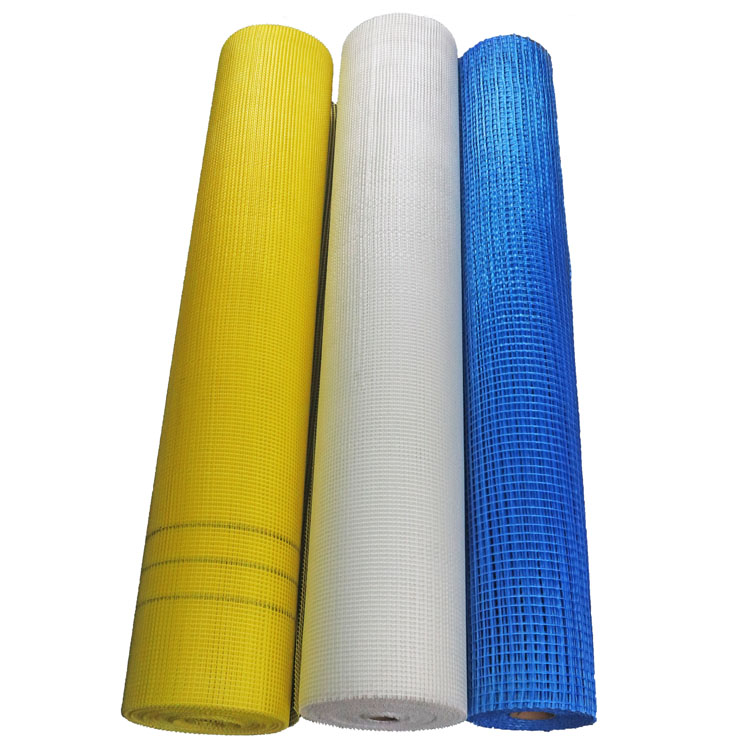
Core Performance Criteria: Strength, Alkali Resistance, and Mesh Geometry
Tensile Strength and Fiber Diameter: Quantifying Load-Bearing Reliability in Fiberglass Mesh
Alkali Resistance as the Critical Safeguard Against Degradation in Cement-Based Systems
Mesh Size, Cell Shape, and Open Area: How Geometry Influences Crack Bridging and Mortar Adhesion
Matching Fiberglass Mesh Types to Construction Applications
Alkali-Resistant Fiberglass Mesh vs. Standard Mesh: Performance Differences in Stucco, EIFS, and Tile Backer Systems
Specialized Variants—Heavyweight, Corner-Reinforced, and Self-Adhesive Fiberglass Mesh—for Demanding Scenarios
Engineered variants address specific structural and logistical challenges:
- Heavyweight mesh (250–300 g/m²) delivers superior impact resistance in seismic zones and high-traffic areas, increasing load distribution capacity by 40% over standard-weight weaves
- Corner-reinforced mesh integrates polyester strips at 45° angles along fold lines to dissipate stress concentrations at building corners and junctions—reducing corner crack incidence by 67% in accelerated weathering tests
- Self-adhesive rolls, featuring pressure-activated acrylic backings, enable rapid repair and retrofit applications, achieving 95% bond strength within 15 minutes
These purpose-built solutions reflect how modern fiberglass mesh adapts to complex project requirements—from bridge deck underlayments to heritage restoration.
Verifying Manufacturing Quality and Consistency
Reliable fiberglass mesh requires disciplined quality control at every production stage. Top-tier manufacturers implement:
- Raw material qualification: Incoming glass fibers undergo X-ray fluorescence spectrometry to verify zirconia content and chemical fidelity; coating resins are tested for viscosity and purity to prevent alkali resistance failures
- Automated process monitoring: Vision-equipped weaving looms track fiber alignment and tension in real time, triggering alerts for deviations exceeding ±0.5 mm in cell geometry
- Statistical process control (SPC): Batch sampling every 30 minutes measures coating thickness uniformity, ensuring full coverage without occluding open areas
- Full traceability: Each roll carries a unique identifier linking production parameters to lab-tested results for tensile strength, elongation, and alkali resistance
Certifications, Testing Standards, and Supplier Due Diligence for Reliable Fiberglass Mesh
ASTM C1777, EN 13495, and ISO 2078 Compliance: What Third-Party Validation Really Means
FAQ
What are the key factors influencing the performance of fiberglass mesh?
The key factors include tensile strength, alkali resistance, mesh size, cell shape, and the open area which collectively determine the reliability and effectiveness in construction applications.
How does alkali resistance contribute to fiberglass mesh performance?
Alkali resistance is crucial as it protects the fiberglass mesh from degradation in cement-based systems, ensuring long-term durability and maintaining structural integrity.
What specialized fiberglass mesh variants are available?
Specialized variants include heavyweight mesh, corner-reinforced mesh, and self-adhesive rolls, each engineered for specific challenges such as impact resistance, corner stress dissipation, and rapid bonding for repairs.
What is the importance of quality control in fiberglass mesh manufacturing?
Quality control ensures that the fiberglass mesh meets the required standards for tensile strength, alkali resistance, and uniformity across batches, crucial for consistent performance in construction projects.