 EN
EN

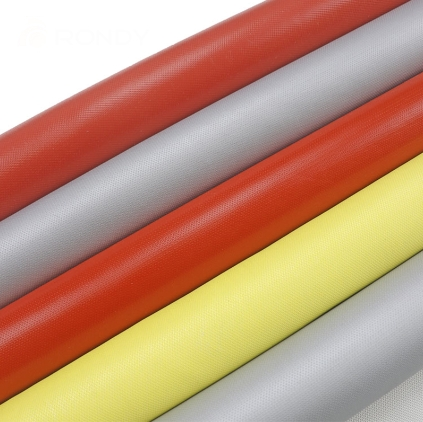
Silicone Coated Fiberglass Fabric: Key Applications
A gas processing plant in Qatar needed to perform a pipe-welding repair inside a live process area where gas detection systems would trigger automatic shutdown if hydrocarbon vapor reached 10% of the lower explosive limit. The solution was a pressurized welding habitat — a fabric enclosure built from silicone coated fiberglass fabric panels, inflated to positive pressure, and equipped with gas monitoring and air exchange systems. The fabric's silicone coating provided gas-tight sealing, chemical resistance to amine and H₂S exposure, and continuous heat resistance sufficient to contain welding spatter without burn-through. The repair was completed with zero gas alarms and zero production interruption over 14 days of continuous hot work.
Silicone coated fiberglass fabric fills the performance gap between uncoated fiberglass textiles (excellent heat resistance, no gas or liquid barrier) and polymer-coated polyester fabrics (good chemical resistance, low heat tolerance). The combination makes it the material of choice for applications requiring heat resistance, chemical inertness, and a flexible impermeable barrier simultaneously.
The Dual-Material Advantage
Silicone coating transforms base fiberglass fabric by adding properties the glass fiber alone cannot provide. Uncoated fiberglass is gas-permeable — smoke, vapor, and fine particulates pass through the weave. Silicone rubber impregnated into and coated onto the fabric surface creates a continuous, non-porous membrane that seals against gas and liquid penetration while retaining the fiberglass substrate's structural strength and temperature resistance.
The silicone layer adds chemical resistance — particularly to hydrocarbon solvents, mild acids, and alkalis encountered in petrochemical environments. It adds electrical insulation properties critical for applications near energized equipment. It adds abrasion resistance — the silicone surface absorbs mechanical wear that would fray uncoated fiberglass yarns. And it adds cleanability — silicone's low surface energy prevents particulate adhesion, allowing the fabric to be wiped clean rather than replaced after contamination.
Primary Industrial Applications
Pressurized welding habitats represent the most demanding application for silicone coated fiberglass fabric. Offshore platforms, refineries, and gas processing facilities use fabric enclosures to create a controlled hot-work environment within operating classified areas. The fabric must withstand continuous external exposure to hydrocarbon vapors, salt spray, and UV radiation while maintaining a gas-tight seal under positive pressure — typically 25-50 Pa above ambient — throughout the welding operation. Silicone-coated fabric at 0.45mm-0.75mm thickness meets these requirements with a service life of 2-5 years in continuous offshore deployment, depending on UV exposure and mechanical handling.
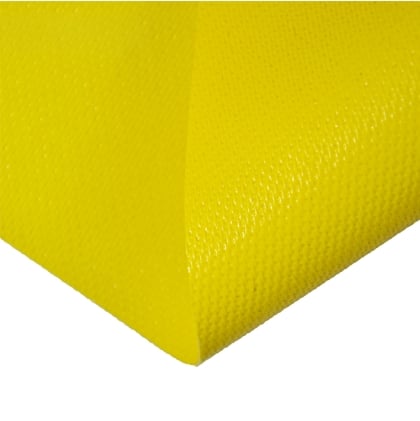
Fabric expansion joints in flue gas ducting systems use silicone coated fiberglass fabric to absorb thermal expansion between rigid duct sections. Power plant flue gas streams at 200-300°C require a flexible connector that does not degrade, crack, or lose elasticity under continuous thermal cycling. The fabric bridges the gap between duct sections, accommodating axial movement of ±25mm and lateral offset of ±15mm while maintaining gas-tight integrity — performance that rigid metal expansion joints achieve only with complex multi-ply bellows at significantly higher cost and installation complexity.
Removable insulation blankets fabricated from silicone coated fiberglass fabric serve industrial valves, flanges, steam traps, and turbine casings operating at 150-250°C. Rigid insulation — calcium silicate blocks or mineral wool with metal jacketing — must be destroyed to access equipment for inspection and replaced after each maintenance cycle. Flexible insulation blankets with silicone-coated outer layers and internal insulation batting unfasten, remove, and reinstall dozens of times over a 5-10 year service life. The silicone outer layer resists oil, grease, and chemical drips that would saturate and degrade uncoated fabric within months.
Frequently Asked Questions
What temperatures can silicone coated fiberglass fabric withstand?
Continuous exposure up to 260°C (500°F) for the silicone coating and up to 550°C for the base fiberglass substrate. The silicone coating limits the continuous use temperature — above 260°C, the silicone begins to degrade and lose elasticity, though the fiberglass remains intact. For applications above 260°C, PTFE-coated or vermiculite-coated fabrics are preferred.
What are the main applications for silicone coated fiberglass fabric?
Pressurized welding habitat panels for offshore and refinery hot work, fabric expansion joints in flue gas and HVAC ducting, removable thermal insulation blankets for valves and flanges, fire curtains and welding screens, conveyor belt covers in high-temperature material handling, and flexible electrical insulation barriers.
How does silicone coated fabric compare to PTFE coated fiberglass?
Silicone coating provides better flexibility at low temperatures and lower cost (8-15/m² versus 25-45/m² for PTFE). PTFE coating provides higher chemical resistance (particularly to strong acids and solvents) and a higher continuous use temperature (260°C for both, but PTFE maintains mechanical properties longer at the upper limit). Silicone is preferred where flexibility, cost, and moderate chemical exposure are the primary considerations.
Does the silicone coating affect flame resistance?
The silicone coating is flame-retardant but not non-combustible — it will char and eventually decompose under direct flame, but it will not sustain combustion or propagate flames. The fiberglass substrate remains non-combustible throughout. For applications requiring direct flame impingement resistance, uncoated or vermiculite-coated fiberglass is preferred over silicone-coated.
What thickness of silicone coated fiberglass fabric is used for welding habitats?
0.45mm-0.75mm for pressurized welding habitats providing gas-tight containment with adequate spatter resistance for normal welding operations. Thicker grades (1.0mm+) are available for applications requiring enhanced mechanical durability — the thickness selection balances weight (operators must handle and install the panels), flexibility, and the required pressure-holding capability.
How should silicone coated fiberglass fabric be cleaned and maintained?
Wipe with a damp cloth and mild detergent — abrasive cleaners and stiff brushes damage the silicone surface. Inspect for coating delamination (bubbling or separation from the fiberglass substrate), seam integrity, and UV-induced surface cracking. Store rolled, not folded, in a dry environment away from direct sunlight. UV exposure is the primary degradation mechanism — outdoor-stored fabric should be protected with UV-resistant covers when not deployed.