 EN
EN

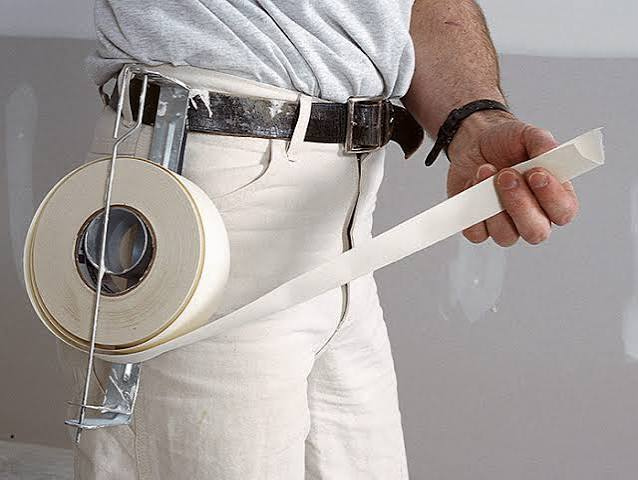
Drywall Paper Joint Tape vs Mesh: Key Advantages
A commercial drywall contractor finishing a 400-unit apartment complex switched from self-adhesive mesh tape to drywall paper joint tape after a six-month callback study. Units taped with mesh showed visible seam cracking at 12% of flat joints and 18% of inside corners within the first heating season — the mesh, lacking a bedding layer of joint compound underneath, allowed the gypsum boards to move independently at the joint. Units taped with paper — requiring a compound bed under the tape — showed seam cracking at 3% of flat joints and 5% of corners over the same period. The contractor's callback cost savings from the switch exceeded the additional labor time for paper tape application by a factor of four.
Drywall paper joint tape offers specific performance advantages over mesh tape — stronger seams, superior crack resistance, and a professional-quality paint-ready finish — but these advantages come from fundamental differences in how the two materials interact with joint compound and gypsum board.
Why the Mud Layer Makes the Difference
Paper tape requires a bedding coat of joint compound applied to the seam before the tape is embedded. This mud layer fills the slight recess between adjacent gypsum boards — the manufactured taper on board edges — creating a solid compound-to-compound bond with the tape sandwiched in the middle. The resulting joint has three bonded interfaces: compound-to-board on each side and compound-to-tape-to-compound in the center. When the building frame shifts due to thermal expansion or settlement, stress distributes across all three interfaces rather than concentrating at the tape-board contact point.
Mesh tape is self-adhesive — applied directly to the drywall surface with no bedding compound underneath. The adhesive holds the mesh in position while the finisher applies compound over the top. The finished joint has only two bonded interfaces: compound penetrating through the mesh openings to contact a fraction of the board surface. The board edges on either side of the joint are not mechanically linked through a continuous compound bed — they are connected only by the mesh fibers spanning the gap and the thin compound layer filling the mesh openings.
Test data supports the practical difference. ASTM C474 (Standard Test Methods for Joint Treatment Materials) measures joint strength under tensile loading — paper-taped joints consistently demonstrate 25-35% higher ultimate tensile strength than mesh-taped joints prepared by the same finisher using the same compound.
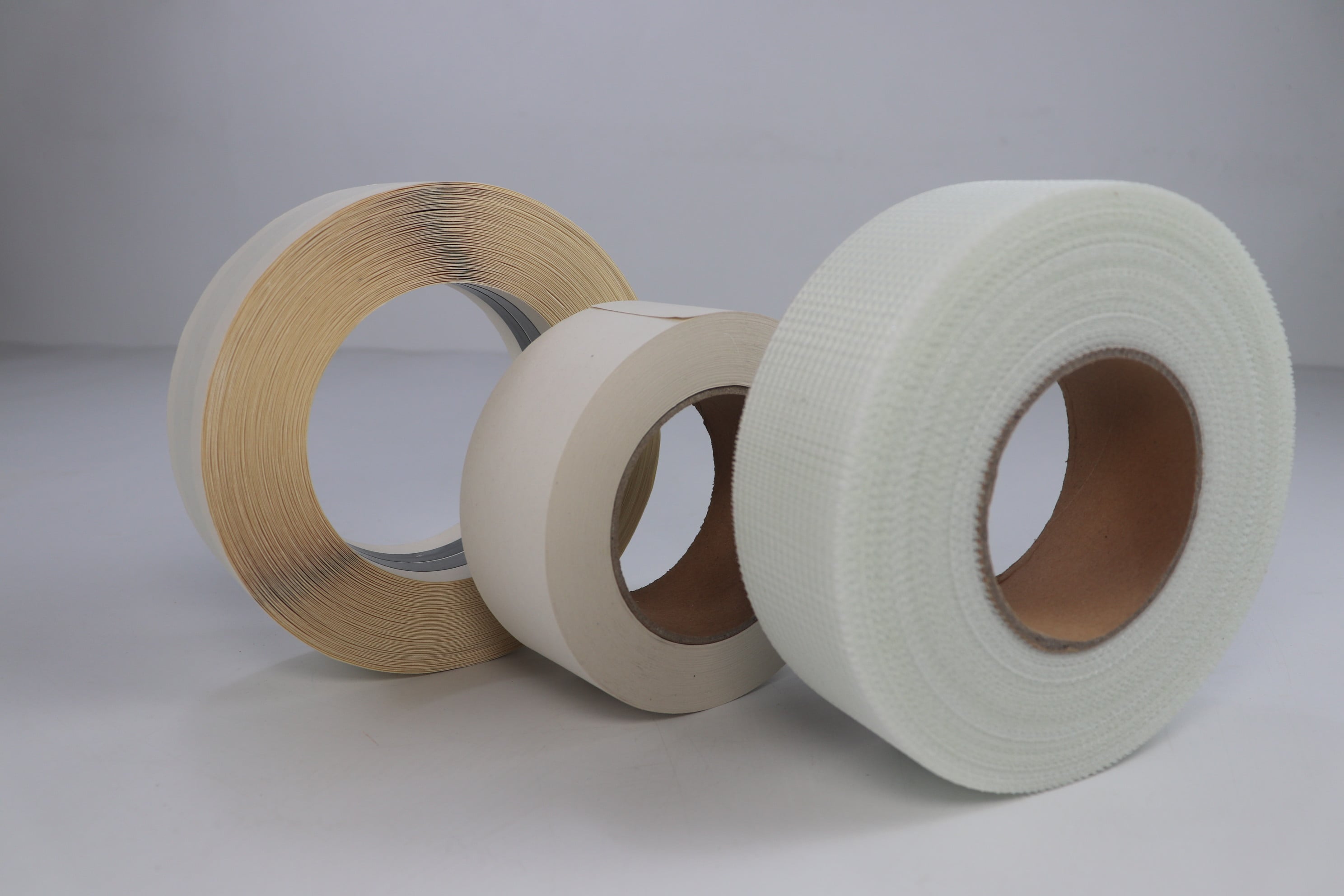
Where Paper Tape Is the Clear Choice
Flat seams on ceilings and walls represent the highest-stress drywall joints in any building. Ceiling joints carry the full dead load of the gypsum board — approximately 2.2 pounds per square foot for 1/2-inch board — plus live loads from attic access and HVAC vibration. Drywall paper joint tape embedded in a full bedding coat creates a structural connection between boards that mesh tape, with its open-fiber adhesion to the board surface, cannot match. Professional finishers use paper tape on flat ceiling seams and save mesh tape for patch repairs and small-area work.
Inside corners — where walls meet walls and walls meet ceilings — compound the structural problem with differential movement. The wall and ceiling framing members expand and contract at different rates through seasonal humidity cycles. A paper tape joint folded along its center crease absorbs this differential movement through the compound bed without cracking the finished surface. Mesh tape folded into a corner crease creates a sharp angle with minimal compound contact area — the stress concentration at the corner apex produces the characteristic hairline crack that runs the full length of the corner within 12-18 months.
Frequently Asked Questions
Why do professionals prefer paper drywall joint tape over mesh?
Paper tape produces stronger joints (25-35% higher tensile strength in ASTM C474 testing), creates flatter seams due to tapered edges that blend with the board surface, and resists corner cracking better than mesh because the bedding compound layer absorbs structural movement. Mesh tape is faster to apply but produces a lower-quality finished joint.
Does drywall paper joint tape work in humid environments?
Yes, when embedded in setting-type joint compound (chemically hardening, not air-drying). Paper tape has exceptional wet strength — it does not lose structural integrity when saturated with wet compound. However, paper is organic and can support mold growth if the finished wall remains damp — for bathrooms and below-grade applications, mold-resistant paper tape formulations or fiberglass mesh in moisture-resistant compound may be preferred.
What is the correct application sequence for paper drywall joint tape?
Apply a bedding coat of joint compound to the seam using a 4-inch or 5-inch taping knife, center the paper tape over the seam and embed it with the knife at a 45-degree angle (pressing from center outward to expel air and excess compound), apply a thin skim coat over the embedded tape immediately, allow to dry completely (24 hours for air-drying compound, 90 minutes for setting compound), then apply a second coat with a wider knife (8-10 inch), and a third finish coat with a 12-inch knife, feathering the edges.
Can paper tape be used with quick-set joint compound?
Yes — paper tape performs equally well with setting-type compounds (powder mixed with water, hardening by chemical reaction) and drying-type compounds (premixed, hardening by water evaporation). Setting compounds are preferred for paper tape because they dry faster, shrink less, and produce a harder surface — reducing the risk of the tape delaminating during the second and third coat application.
What width of drywall paper joint tape should be used?
Standard 2-inch (50mm) width for flat seams and inside corners. Wider tapes (2.5-3 inch) are available for butt joints (where square board edges meet without a manufactured taper) and for repairs requiring additional joint reinforcement. The standard roll length is 75 feet (22.8m) or 150 feet (45.7m).
How does paper tape perform on butt joints vs tapered joints?
Butt joints — where square-cut board ends meet without the manufactured recessed taper — are the most difficult drywall joint to finish because the tape and compound build-up creates a visible hump. Paper tape, with its thin profile (0.008-0.010 inch), produces less hump than mesh tape (0.015-0.020 inch when embedded in compound). Wide feathering — spreading the compound 12-18 inches on each side of the joint — is essential for butt joints regardless of tape type.