 EN
EN

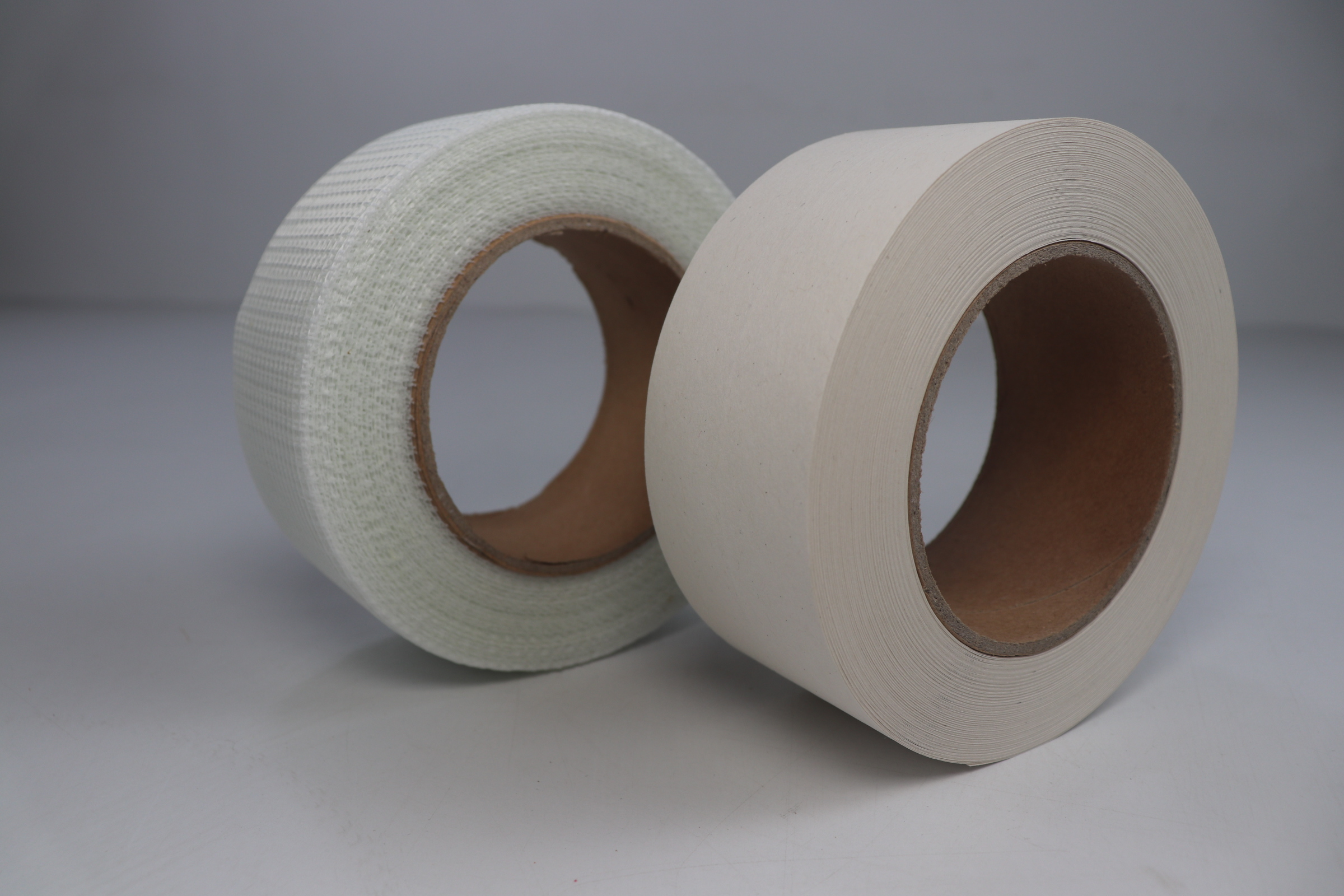
Mesh Weight for European ETAG EIFS Compliance
A Polish EIFS contractor submitted 145g/m² EIFS fiberglass mesh samples for ETAG 004 compliance testing through a notified body in Warsaw. The mesh passed tensile strength (≥1,500 N/5cm after alkali aging) and alkali resistance (≥50% strength retention after 28-day immersion in 5% NaOH at 23°C) — but failed the durability requirement because the coating contained only 14.2% ZrO₂. A replacement mesh at the same 145g/m² weight but with 16.8% ZrO₂ coating passed all tests. The contractor's lesson: mesh weight is visible on the specification sheet, but zirconia content in the alkali-resistant coating — invisible on inspection and rarely stated in commercial quotations — determines whether the mesh survives the 25-year ETICS service life that ETAG 004 demands.
European ETAG 004 compliance for EIFS fiberglass mesh is not a single-number specification. Mesh weight, tensile strength, elongation, alkali resistance, and coating chemistry interact — and reducing any one parameter degrades the system performance the standard was written to verify.
What ETAG 004 Requires
ETAG 004 (European Technical Approval Guideline for External Thermal Insulation Composite Systems) is the harmonized European assessment document for EIFS — the exterior insulation and finish systems that cover millions of square meters of European building facades. The guideline specifies performance requirements for the fiberglass reinforcement mesh embedded in the base coat layer of the EIFS assembly.
The standard requires a residual tensile strength after alkali aging of ≥20 N/mm for the warp direction (the machine direction of the mesh roll). For a mesh with five strands per 25mm in the warp direction (the standard 5x5mm mesh size), each strand must retain 4 N of tensile strength after accelerated alkali exposure. This translates to a finished mesh weight of approximately 145-160g/m² after alkali-resistant coating — assuming standard E-glass fiberglass yarn of 134 tex for warp. Lighter meshes (110-130g/m²) using thinner yarn or fewer strands per inch can achieve the same residual strength if the alkali-resistant coating performs better — but the relationship between weight and compliance is not linear.
Mesh Weight Ranges for EIFS
The 145-160g/m² range is the standard EIFS fiberglass mesh weight for base coat reinforcement in ETICS applications across Europe. At 145g/m² with 5x5mm mesh opening and warp tensile strength of 1,400-1,500 N/5cm after alkali aging, the mesh provides sufficient reinforcement for standard EIFS facing — expanded polystyrene or mineral wool insulation board covered with 3-5mm of polymer-modified base coat. This weight class satisfies ETAG 004 requirements for impact resistance categories II and III (standard impact resistance for accessible and non-accessible zones), which cover the majority of residential and commercial EIFS installations.
Heavier meshes — 160-200g/m² in 4x4mm or 5x5mm openings — provide additional reinforcement for high-impact zones: building bases up to 2 meters above ground level, school corridors, parking garage facades, and hospital entrances. The increased weight comes from thicker yarn (200+ tex versus 134 tex) and tighter weave density, producing tensile strengths of 1,500-2,200 N/5cm after alkali aging. These heavier meshes satisfy ETAG 004 impact resistance category I (enhanced impact resistance), which requires the system to withstand 10-joule impacts without perforation.
Frequently Asked Questions
What is the minimum mesh weight for European ETAG 004 EIFS compliance?
145g/m² with 5x5mm mesh opening and alkali-resistant coating containing ≥16.5% ZrO₂ is the practical minimum for standard base coat reinforcement satisfying ETAG 004 residual tensile strength requirements. Lighter meshes (110-130g/m²) may pass tensile testing if the coating chemistry compensates, but 145g/m² is the industry standard for residential and light commercial ETICS installations.
Why does ZrO₂ (zirconium dioxide) content matter in EIFS fiberglass mesh?
ZrO₂ in the alkali-resistant coating forms a protective glassy film around each fiberglass strand, preventing Portland cement alkalinity (pH 12.5-13.5) from dissolving the silica network of the glass fiber. Below 16.5% ZrO₂, the coating provides insufficient alkali protection over a 25-year service life — the mesh loses tensile strength progressively as the coating degrades, leading to base coat cracking after 10-15 years.
What mesh opening size is standard for EIFS fiberglass mesh?
4x4mm and 5x5mm are the standard openings for ETICS base coat reinforcement. The 4x4mm size provides slightly higher mortar-to-insulation contact through the mesh (more open area) and is preferred for mineral wool insulation systems. The 5x5mm size offers a balance of embedment, workability, and tensile performance for EPS-based systems.
What is the difference between ETAG 004 and EAD 040083?
EAD 040083 (European Assessment Document) is the successor to ETAG 004 — the same technical requirements transitioned from the guideline format (ETAG) to the construction products regulation format (EAD) following the EU Construction Products Regulation 305/2011. The technical performance requirements for fiberglass mesh are substantively identical in both documents, but EAD 040083 carries mandatory CE marking under harmonized standard EN 13499.
How is alkali resistance tested for EIFS fiberglass mesh?
The standard test immerses mesh samples in 5% sodium hydroxide solution (NaOH, pH ~14) at 23°C for 28 days, then measures residual tensile strength and compares it to the original (unaged) tensile strength. A mesh retaining ≥50% of original tensile strength after this accelerated aging passes the ETAG 004 alkali resistance requirement. Alternative test methods using 80°C NaOH solution for 6 hours produce comparable results with faster turnaround for production quality control.
What happens if EIFS fiberglass mesh is too light for the application?
The mesh tears during troweling — the notched trowel catches mesh strands and pulls them out of position, creating wrinkles and un-reinforced gaps. After installation, light mesh cannot resist the thermal expansion stress of the dark-colored finish coat (surface temperatures reach 70-80°C in summer sun), leading to map-pattern cracking — a network of fine cracks in the base coat following the thermal expansion contours of the insulation board underneath.