 EN
EN

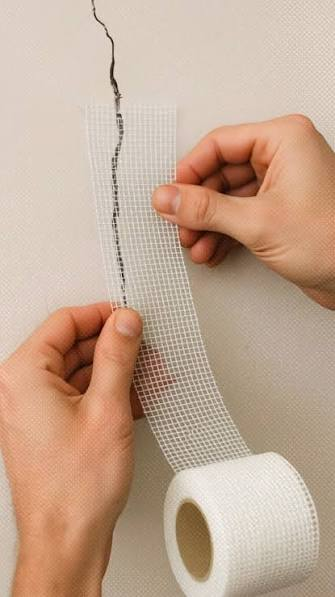
Self Adhesive Mesh Tape: Crack-Free Longevity Guide
A renovation contractor in Toronto used self adhesive fiberglass mesh tape to repair 47 linear cracks in a 1960s plaster-over-gypsum-lath building before painting and resale. Two years later, 11 of the 47 repairs (23%) had re-cracked — eight of the 11 were cracks that crossed structural seams where the building frame had continued seasonal movement. The contractor's post-mortem revealed that all 11 failures shared two characteristics: the tape was applied directly to the cleaned crack surface with no bedding compound underneath, and the joint compound used was a lightweight air-drying premix rather than a chemically hardening setting compound. The 36 repairs that remained crack-free used setting compound and a thin skim coat under the tape.
Self adhesive fiberglass mesh tape can remain crack-free for 10-25 years — the typical service life of a properly finished drywall installation — but the duration depends on three variables the tape itself does not control.
Substrate Movement — The Hidden Variable
Fiberglass mesh tape reinforces the joint compound against tensile stress — the pulling force that opens a crack. Tensile strength of standard self adhesive fiberglass mesh tape at 55-75g/m² body weight ranges from 550-650 N/5cm in the warp direction — roughly 2-3 times the tensile strength of the 1-2mm joint compound layer it reinforces. This strength is sufficient to resist the shrinkage stress of drying compound and the minor thermal expansion of gypsum board — but it is not sufficient to resist structural movement of the building frame.
A wall that moves 0.5mm per year at a structural joint — typical seasonal expansion of wood framing through humidity cycles — applies approximately 150-200 N of tensile force across a 1-meter crack. The tape absorbs this load elastically for the first 5-8 years, then begins to creep — the fiberglass strands elongate slightly at each cycle without returning to their original length. By year 10-12, cumulative creep exceeds the elongation capacity of the joint compound covering the tape, and the compound cracks — though the underlying mesh may remain intact. The visible crack at the surface is compound failure, not tape failure, but the user observes a crack and judges the repair to have failed.
Joint Compound Selection
Setting-type joint compound (powder mixed with water, hardening by chemical reaction of calcium sulfate hemihydrate to dihydrate) bonds more strongly to self adhesive fiberglass mesh tape than air-drying compound. The chemical hardening process creates a crystalline bond at the compound-to-fiberglass interface, while air-drying compound relies on mechanical adhesion — the compound physically gripping the mesh strands. Setting compound at 45-minute or 90-minute set times produces joints with 30-40% higher bond strength to fiberglass mesh than drying compound.
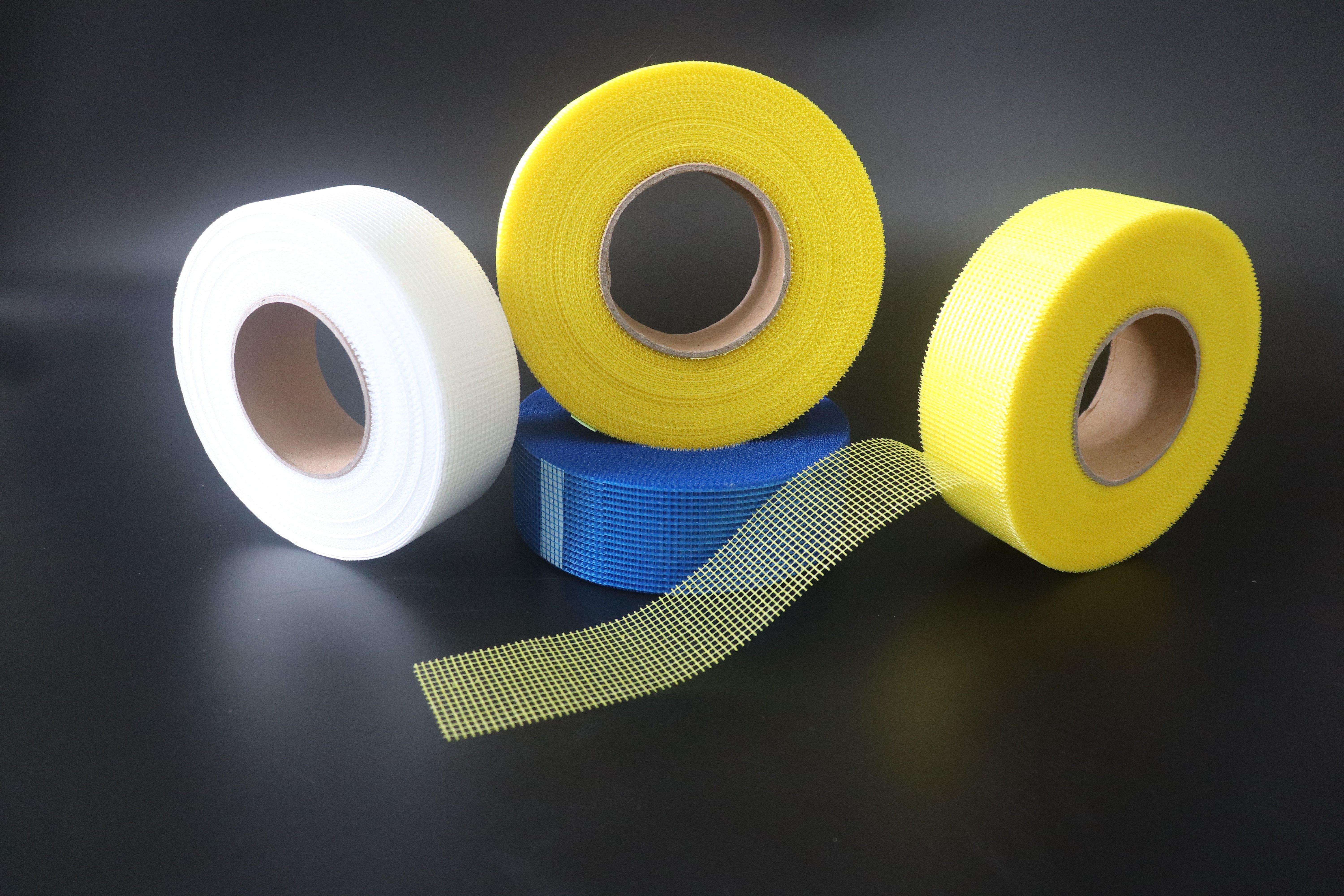
More important for crack prevention, setting compound shrinks less than drying compound. Drying compound loses 20-30% of its applied volume as water evaporates — the shrinkage is what creates the slight depression over taped joints that requires multiple fill coats. Setting compound shrinks 5-10% because the chemical reaction consumes some of the mix water in crystal formation rather than releasing it to evaporation. Less shrinkage means less tensile stress on the tape-to-compound bond during curing, which means longer crack-free service life — the primary failure mechanism in mesh-taped joints is the compound pulling away from the tape during drying shrinkage, not the tape breaking.
Frequently Asked Questions
How long will self adhesive fiberglass mesh tape stay crack-free on drywall?
10-25 years on stable drywall installations with setting-type joint compound and proper embedding technique. Structural joints (where the building frame moves seasonally) may re-crack within 5-10 years because the mesh cannot resist frame movement forces exceeding 200 N. Non-structural cracks — drying shrinkage, minor settlement, board-edge movement — typically remain crack-free for the life of the installation when properly taped.
Does self adhesive mesh tape need joint compound underneath it?
Yes — a thin skim coat of compound under the tape significantly improves bond strength and crack resistance. The bedding coat fills surface irregularities that prevent the self-adhesive from contacting the board evenly and provides a chemical bonding surface for setting compound. Skipping the bedding coat — applying tape directly to bare drywall — is the most common cause of early mesh tape failure.
What type of joint compound should be used with self adhesive fiberglass mesh tape?
Setting-type compound (powder mix, 45-90 minute set time) is preferred for the first coat over mesh tape because it bonds more strongly to fiberglass, shrinks less during curing, and can be re-coated sooner. Drying-type compound can be used for subsequent fill and finish coats once the mesh is fully embedded and the first coat has hardened. Mesh tape directly covered with drying compound only — no setting compound embedment — produces the weakest joint and shortest crack-free duration.
Can self adhesive mesh tape be used for exterior crack repair?
Yes, but with an exterior-grade alkali-resistant mesh (not standard drywall mesh tape) embedded in polymer-modified cementitious repair mortar, not gypsum joint compound. Standard self adhesive mesh tape is rated for interior use only — the adhesive degrades under UV exposure, and the uncoated fiberglass lacks the alkali resistance needed for cement-based exterior repair compounds.
What width of self adhesive mesh tape should be used for crack repair?
50mm (2-inch) width for standard hairline cracks and drywall joints. 100mm (4-inch) width for wider cracks (2-3mm), structural joints where additional bonding area compensates for frame movement, and repairs where the surrounding plaster or drywall shows spider cracking extending beyond the primary crack line.
Why do mesh-taped joints sometimes show bubbles under the compound?
Air trapped in the mesh openings expands as the compound dries, creating bubbles that push the compound away from the tape surface. The solution is embedding the tape with firm pressure at a 45-degree angle (not 90 degrees) to force compound through the mesh openings and expel air, followed by an immediate skim coat. Mesh tape applied without an embedding step — relying on self-adhesive only and covering with compound — consistently produces bubble defects.