 EN
EN

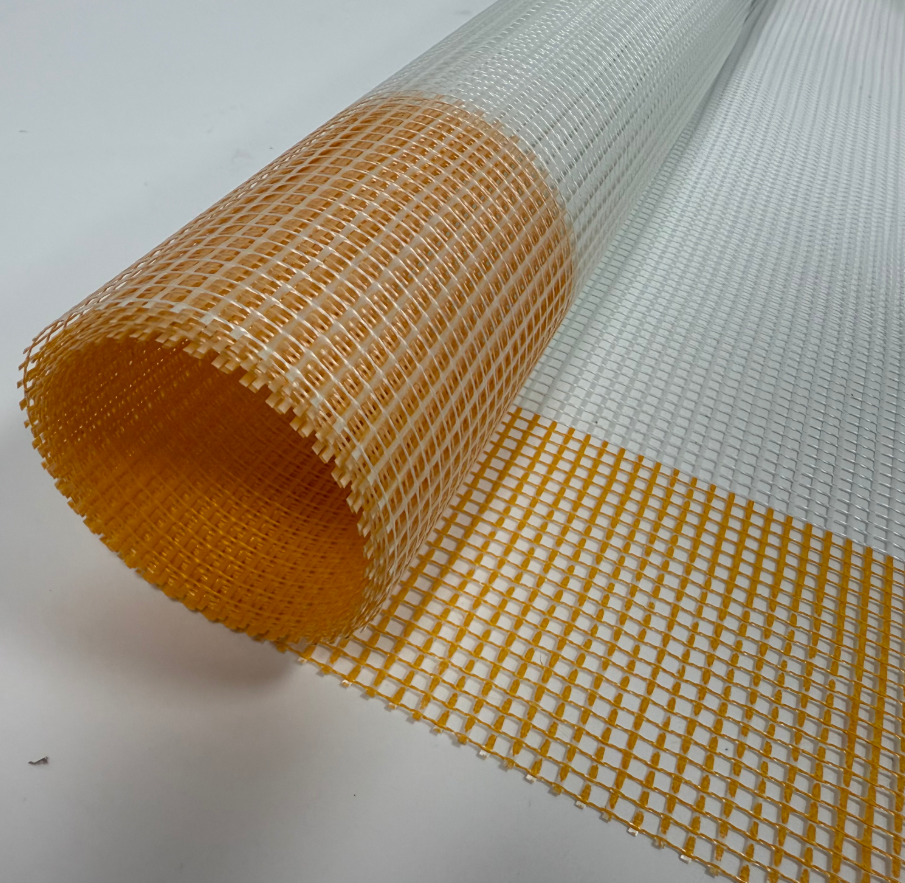
The Science Behind Stucco Fiberglass Mesh: How It Stops Cracks Before They Start
For contractors and builders who work regularly with exterior stucco finishes, one persistent headache remains the appearance of hairline fractures. As the cementitious base coat dries and hardens, it naturally shrinks. Over time, fluctuations in temperature and humidity cause the wall to expand and contract. Without a proper internal reinforcement, these microscopic movements quickly telegraph to the surface, turning a smooth, elegant facade into a web of unsightly and potentially damaging cracks. Stucco fiberglass mesh was engineered specifically to solve this problem. It is not a decorative fabric; it is a piece of structural engineering that sits right beneath the final texture, working silently to absorb tension and hold the cement together. Understanding how this mesh functions is essential for choosing the right material for the job and ensuring the final finish remains pristine for decades.
Transforming Brittle Cement into a Ductile Composite
The primary job of stucco fiberglass mesh is to act as a multi-directional stress distributor. When the base coat experiences tensile stress from drying shrinkage or thermal movement, the mesh immediately absorbs that force across thousands of individual fiberglass filaments. Instead of allowing the stress to concentrate at a single weak point, the mesh spreads the load over a wide area. This mechanism effectively prevents microcracks from growing into large, visible fissures. However, not all fiberglass can handle the job. Stucco is highly alkaline, with a pH level that can easily exceed 12. Standard fiberglass is vulnerable to alkali attack, meaning the glass fibers will corrode and weaken within just a few months if left unprotected. This is why a high-quality alkali-resistant coating is non-negotiable. This specialized coating preserves the structural integrity of the filaments, allowing the mesh to maintain its tensile strength even after years of direct contact with the wet cement. The result is a transformation: a naturally brittle cementitious skin becomes a flexible, resilient, and unified membrane.
Matching Mesh Density and Strength to the Wall’s Needs
Builders often find themselves confused by the various mesh grades available on the market. The key performance indicators boil down to two primary factors: GSM, which stands for grams per square meter, and tensile strength, measured by how much force the mesh can resist before snapping. Generally, higher GSM translates to a thicker, denser weave that can absorb more impact and handle heavier loads. For most standard residential vertical walls, a light to medium mesh provides the ideal balance. It offers the necessary reinforcement to stop typical shrinkage cracks while remaining flexible enough to embed easily into the wet scratch coat. For areas on the ground floor or zones that are highly prone to accidental impact, a heavier mesh with a higher tensile strength becomes necessary. On the other hand, selecting an overly heavy, stiff mesh makes installation difficult and can prevent the fibers from fully embedding into the base coat, which ironically creates weak spots. The golden rule in the field is to match the GSM rating carefully to the expected structural movement and exposure level of the specific architectural project.
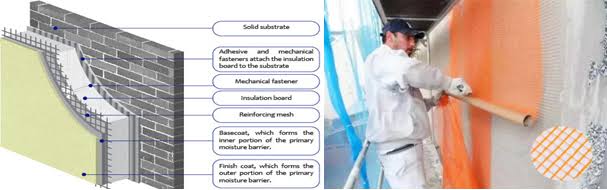
Getting the Installation Right: The Make-or-Break Step
A high-quality fiberglass mesh is useless if it is not installed correctly. Experienced applicators know that proper embedment depth is the critical factor. The mesh must be fully encapsulated within the base coat—specifically centered about 1/16 of an inch (1.5 millimeters) below the surface. This is the exact layer where tensile stress is highest. Pressing the mesh too deep makes it ineffective at bridging cracks, while leaving it too close to the surface exposes the fibers to abrasion and mechanical damage. Uniform coverage is equally vital. There cannot be any unmeshed gaps around window frames, corners, or floor lines. Every inch of the substrate must be overlapped. The base coat itself must be a polymer-modified cement mix. Regular sand and cement paste often lacks the adhesion and elasticity required to lock the mesh in place. A polymer mix creates a strong chemical bond with the alkali-resistant coating, ensuring that the mesh will not peel away from the wall as the environment shifts between hot and cold cycles.
Corner Detailing and Seam Overlapping Techniques
Cracks almost always begin where the wall stops or changes direction, making details around openings critically important. Treating the corners of windows and doors correctly involves a specific butterfly-style diagonal overlap. This technique disperses the stress concentration that naturally builds up at the sharp angles of a cutout. Beyond the corners, the flat panels of mesh must also connect seamlessly. A reliable overlap of at least 2 to 3 inches between adjacent sheets is standard practice in the industry. This overlap creates a continuous load-transfer path, preventing cracks from starting at the vertical joints between rolls. Neglecting these simple rules, such as omitting corner strips or overlapping too lightly, turns the reinforcement into an invitation for failure. The wall will eventually fracture exactly at the point where the mesh stops.
Common Mistakes That Undermine Mesh Performance
Even with good material, poor workmanship on the job site is the leading cause of stucco failure. One of the most frequent errors is allowing the base coat to dry too much before pressing the mesh in. If the cement skims over, the mesh cannot sink into the bed, trapping air pockets beneath it and leaving the fabric on the surface. Another widespread issue is improper pressure during embedding. Trowels must press firmly and evenly across the entire wall to eliminate any voids. When installers rush this process, they create shallow or dry spots where the mesh is practically floating without adhesion. In these zones, the mesh cannot absorb any stress. Instead, these spots become the exact locations where water eventually penetrates and where visual cracks first appear. Correct embedding requires patience and an even, consistent hand from the trowel.
Understanding the Limits of the Reinforcement
While fiberglass mesh is an incredible tool, contractors must be realistic about its capabilities. The mesh is not a structural fix for a poorly built wall. If the building's foundation is settling unevenly, or if the expansion joints were omitted entirely from the architectural plans, no amount of fiberglass mesh will prevent the final finish from cracking. The mesh is designed to absorb micro-movements caused by the natural expansion and contraction of the stucco, not the gross mechanical shifts of a faulty structure. Furthermore, mesh cannot compensate for a low-quality base coat that lacks the correct polymer modifiers or a substrate that has not been properly cleaned and primed. Successful crack resistance relies on a complete system: a stable substrate, a chemically correct cement mix, and precise mesh application. Ignoring any of these foundational aspects shifts the blame unfairly to the mesh, which is only one component within a comprehensive wall assembly.
How Quality Control and Material Consistency Define Long-Term Performance
Ultimately, the ability of fiberglass mesh to stand up to years of weather exposure and structural movement relies heavily on the consistency of the manufacturing process. The tensile strength of the yarn, the evenness of the alkali-resistant coating, and the tightness of the weave pattern all dictate how the mesh behaves when it is saturated in wet cement. Responsible suppliers who adhere to strict international quality management standards, such as ISO 9001, ensure that every roll of mesh leaving the facility meets uniform benchmarks. By exercising rigorous oversight over the raw material sourcing—from the initial fiberglass extrusion to the final application of the protective coating—these specialized textile manufacturers provide contractors with a reliable tool. For a builder who stakes their reputation on the longevity of their facades, sourcing from a factory with a transparent and controlled supply chain offers undeniable peace of mind, guaranteeing that the reinforcement will perform exactly as engineered when it matters most.