 EN
EN
Welding Blankets vs. Habitat Panels: Knowing the Right Tool for the Job
In the world of heavy fabrication, managing heat, sparks, and fumes is a daily responsibility. Any welding operation generates intense energy that must be safely directed away from sensitive machinery, personnel, and volatile materials. The devices used to achieve this isolation range from simple fabric drapes to sophisticated engineered enclosures. While both serve the purpose of fire prevention, they operate on fundamentally different principles. Misunderstanding these principles leads not just to inefficient workflows, but to serious safety code violations that can shut down a job site. Experienced safety managers and project engineers know that choosing the right barrier is not about picking the cheaper option; it is about accurately assessing the environmental risk and matching the tool to the hazard level.
Understanding the Core Purpose of Flexible Welding Blankets
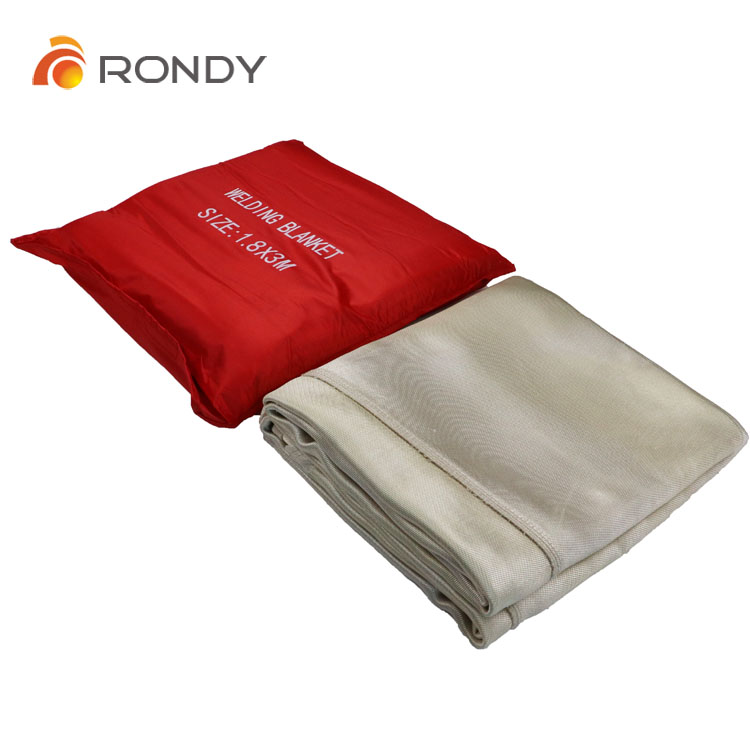
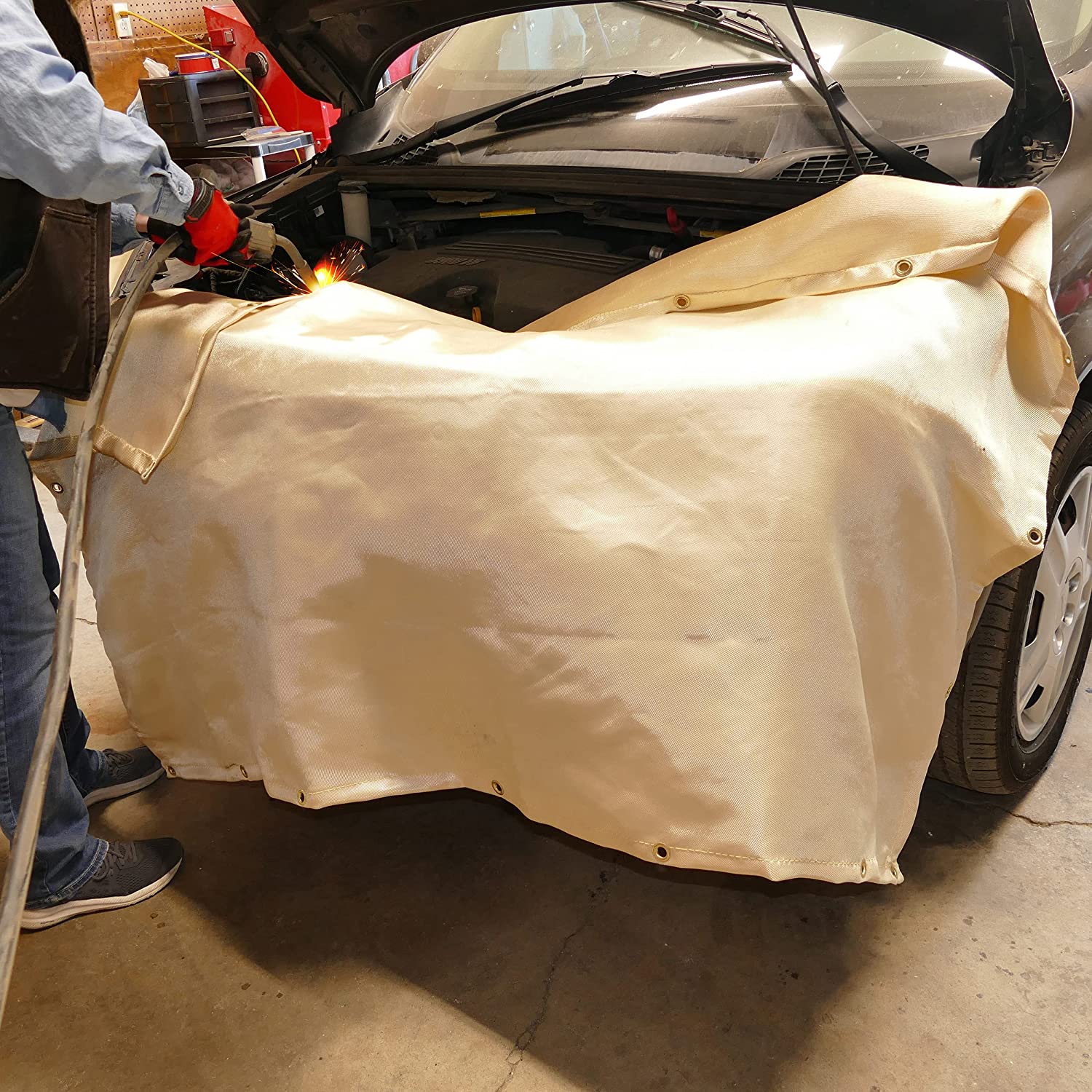
Welding blankets are best understood as passive thermal shields. They are manufactured from heavy-duty, heat-resistant fabrics—often fiberglass or silica—designed to deflect radiant heat and intercept casual, incidental sparks that bounce off the workpiece. Their greatest strength lies in their flexibility. A fabric blanket can be easily folded, rolled, and quickly draped over a gearbox, engine bay, or vertical frame to provide a quick layer of protection. However, their flexible nature is also their primary limitation. When fabric is draped over a complex structure, gaps naturally form at the seams, corners, and overlaps. Under these conditions, high-velocity molten spatter can pass straight through these unsealed gaps. For general workshop repair and maintenance tasks where only light sparks exist, a quality 0.75mm or 1.0mm silicone-coated blanket is perfectly adequate. It provides the necessary safeguard without the burden of heavy installation.
Why Rigid Habitat Panels Are Essential for Contained Environments
When the welding process escalates to heavy structural steel work, pipeline repair, or any scenario involving high amperage and continuous welding, a flexible blanket simply cannot keep up. In these intense environments, the spatter size increases, and the velocity of the ejected molten metal can easily force its way through fabric creases. This is where rigid, interlocking habitat panels become the standard engineering solution. These panels form a fully sealed, non-flammable enclosure that completely envelops the welding zone. Unlike a draped sheet that moves with the wind, a habitat system retains a fixed geometry. It locks into place with a rigid framework, guaranteeing that sparks, slag, and fumes remain strictly isolated from the surrounding environment. The structural difference is night and day: a blanket attempts to mitigate surface exposure, while a habitat delivers absolute containment. For any job that involves close proximity to hydraulic lines, fuel tanks, or critical instrumentation, the habitat panel is the only safe choice.
Addressing the Environmental Control Gap
Beyond just physical spatter, modern industrial welding comes with strict requirements for atmospheric management. This is where the core limitation of a fabric blanket becomes an unbreakable barrier to compliance. In confined spaces or during specialized welding protocols, there is a strict necessity for positive-pressure ventilation and targeted fume extraction. These engineering controls are not optional; they are mandated by safety standards for worker respiratory health. A draped blanket offers no ability to hold a seal. It cannot direct air flow, nor can it support a dedicated exhaust system. Smoke, hexavalent chromium, and manganese fumes simply drift out from beneath the fabric edges, exposing nearby coworkers to serious respiratory hazards. A well-constructed habitat panel, however, is designed specifically for this purpose. It features built-in ports that connect to industrial exhaust fans, maintaining a clean, filtered air environment directly within the work zone.
Handling the Hidden Dangers of UV Radiation and Sparks
Too often, hot work safety is viewed purely through the lens of fire risk. In reality, acute UV radiation is an equally significant threat to operators and nearby personnel. A flexible blanket is essentially just a woven sheet. Under industrial welding light, pinholes, fabric wear, and loose draping allow intense ultraviolet wavelengths to scatter into the eyes of workers standing just a few feet away. This directly causes "arc eye," a painful and blinding condition. Because a blanket cannot create a continuous, light-blocking barrier, relying on it in a confined team setting is a serious oversight. Habitat panels address this issue wholly. Their rigid assembly provides full-spectrum optical shielding, blocking nearly 100% of arc flash and UV glare while keeping the operation completely visible to the welder through specialized viewing windows.
Real-World Issues: Stability Against Wind and Mechanical Stress
Outdoor or elevated work environments add a chaotic variable to safety planning: wind. Even a moderate breeze can turn a useful welding blanket into a harmful liability. The fabric flaps violently, breaking the seal against the workpiece and exposing the area to fresh sparks. In severe cases, the entire blanket can catch the wind and dislodge from its mounting points, creating a dangerous tangle in an active workspace. Habitat panels are built to resist these environmental forces. Their structural framing is engineered to withstand winds and remains stable regardless of the weather. For offshore platform repairs or high-rise building fabrication, this weather resilience makes the habitat panel the only practical solution that allows the work to progress without constant rechecks and adjustments of the shielding fabric.
Evaluating the True Cost of Ownership in the Long Run
A common objection to investing in rigid habitat panels is their significantly higher upfront purchase price. A fabric blanket might cost less than a hundred dollars, whereas a certified habitat system can run into the thousands. Yet, industry logistics managers consistently warn against committing this "false economy." When a blanket is used in a high-risk environment, it introduces a significant chance for catastrophic error. A single stray spark passing through a gap can ignite a fuel source or a bundle of cables. The resulting downtime, equipment replacement, and mandatory safety re-certifications usually multiply the cost of the initial blanket choice by hundreds of times. Furthermore, if the process involves non-compliant atmospheric controls, the site faces severe regulatory penalties and potential work stoppages. When viewed through the lens of total lifecycle cost—including lost production time, accident liability, and insurance premiums—a properly engineered habitat panel easily proves to be the more economical choice over the lifetime of a major project.
How Manufacturing Quality Dictates Safety Outcomes
The ultimate safety and effectiveness of either approach depend heavily on the quality of materials and the integrity of the manufacturing process. For welding blankets, proper coating thickness and tight weaving prevent premature burn-through. For habitat panels, the precision of the locking mechanisms and the strength of the heat-resistant composites dictate the structure's longevity. Top-tier manufacturers adhere to strict international quality management standards, such as ISO 9001, ensuring that every component—from the raw fiberglass yarns to the rigid panel frames—is thoroughly tested for consistency. By maintaining tight oversight over the raw material sourcing and the final assembly of these critical safety tools, these factories provide the end-user with reliability in the field. For safety managers tasked with protecting lives, equipment, and timelines, sourcing from a factory with proven supply chain transparency is the strongest guarantee of performance when molten metal begins to fly.