 EN
Manufacturing Feasibility of Custom Logo Printing on Drywall Paper Joint Tape
Substrate Compatibility: How Drywall Paper Joint Tape Accepts Ink and Embellishment
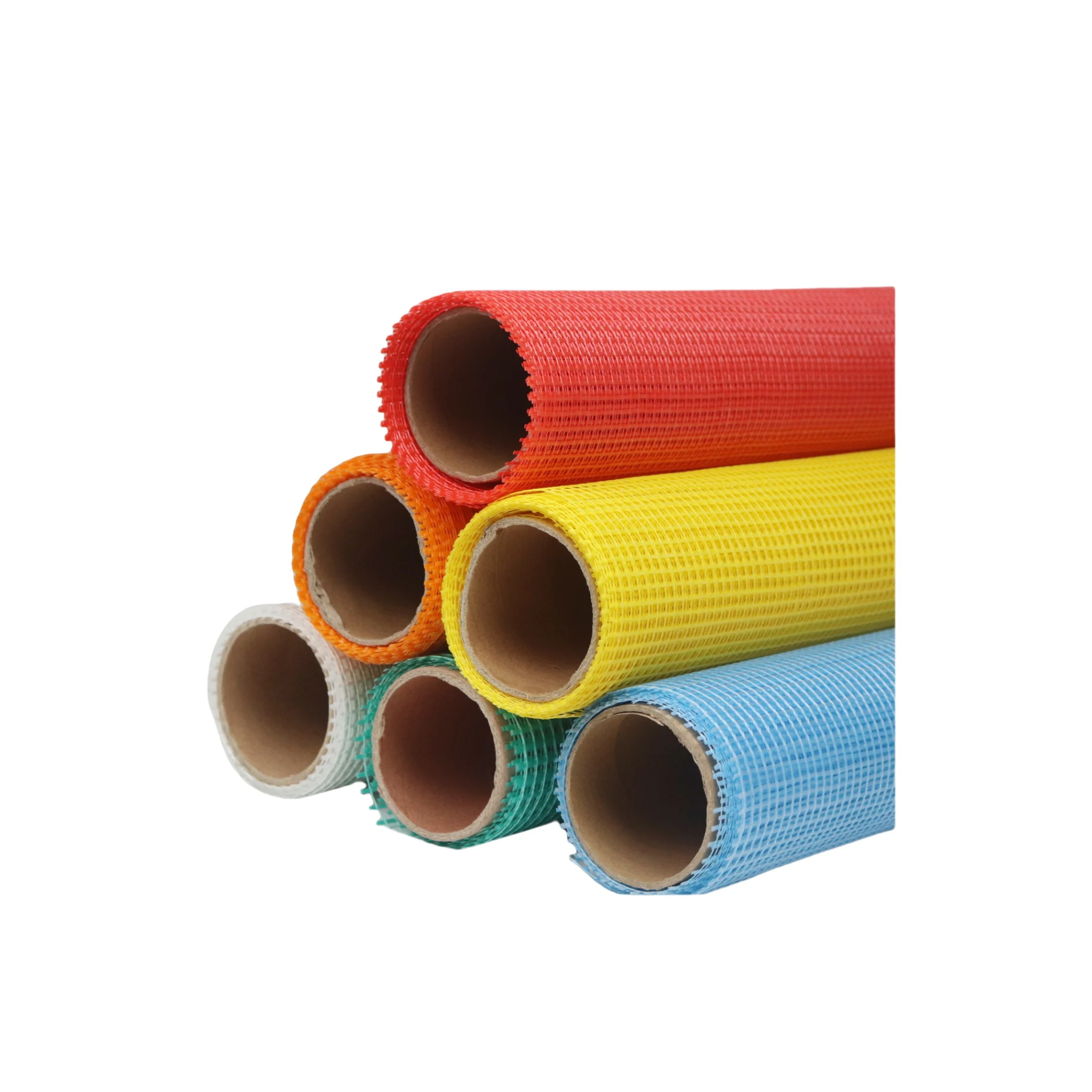
Drywall paper joint tape is typically made from lightweight, high-tensile kraft paper with a controlled porosity, centered crease, and light surface sizing. Its open fiber structure allows water-based flexographic inks to penetrate and mechanically anchor—enabling sharp logo reproduction without primer. A 2023 converting benchmark reports that uncoated kraft paper used for joint tape has a Cobb 60 water absorbency of 25–40 g/m², supporting consistent flexo print density at line speeds up to 120 m/min. However, because the tape is thin (0.20–0.25 mm) and must remain flexible for corner and flat seams, high-coverage ink films or heavy varnishes risk stiffening the web and compromising embedment. Simple line-art logos with low ink coverage best preserve tensile strength and seam conformability. Hot-foil stamping and thermographic powders are generally unsuitable: heat and pressure can flatten the center crease and reduce tear resistance. Water-based inks with alkali-resistant pigments are preferred to prevent bleeding when exposed to wet joint compound.
Standard Production Lines vs. Custom-Print Capabilities in Tape Converting Facilities
Most drywall paper joint tape converting lines are designed for slitting, rewinding, and creasing—not printing. To add a custom logo, converters either integrate a flexographic print station between unwind and rewind or source pre-printed parent rolls from a specialty paper mill. Narrow-web flexo stations dominate custom production, maintaining registration tolerance within ±0.15 mm on porous kraft at speeds of 80–150 m/min. Digital inkjet is reserved for short runs due to lower throughput—often under 30 m/min—and higher per-foot ink costs. Retrofitting an existing line takes 8–12 weeks and requires capital investment between $50,000 and $150,000, depending on color count and drying capacity. As a result, tier-1 converters treat custom printing as a semi-specialty service, amortizing setup charges over larger order volumes. This line-level constraint directly shapes minimum order quantities and lead times for branded tape.
Technical Impact on Performance and Compliance of Printed Drywall Paper Joint Tape
Does Logo Printing Affect Adhesion, Seam Strength, or Application Consistency?
Printing compatibility depends on ink chemistry and coating weight. Standard flexographic and digital inkjet systems use water-based or UV-curable inks that sit on the paper surface without saturating fibers. Since joint tape relies on porosity to absorb joint compound moisture and form a mechanical bond, converters keep ink coverage low and avoid plasticizing solvents. In practice, a light logo printed with a thin ink film does not measurably reduce tensile strength or seam integrity. Pull tests on printed versus unprinted samples consistently show no statistically significant difference in tensile retention—remaining well within ASTM C475’s required minimum. Application consistency remains unaffected when print registration avoids raised edges or interlayer blocking. Converters therefore specify low-gloss, high-solids inks to preserve bond integrity and maintain seam strength within specification. The primary risk lies in over-inked designs or non-breathable coatings, which may slow compound drying at the tape face and cause edge ridging.
Meeting ASTM C475 and UL Requirements for Labeled/Printed Drywall Paper Joint Tape
Compliance for branded drywall paper joint tape centers on ASTM C475 and UL certification. ASTM C475 defines tolerances for width, thickness, tensile strength, and shrinkage; printed logos must not push the product outside these limits. A thin flexographic ink film adds negligible thickness and does not compromise fiber tensile strength—keeping the tape fully compliant. On fire and emissions performance, Underwriters Laboratories (UL) GREENGUARD Gold certification restricts VOC emissions from building materials. Water-based or UV-curable inks with low VOC content can retain GREENGUARD Gold status. Printers must also confirm that the printed tape contributes no meaningful fuel load or flame spread beyond the unprinted control—a straightforward verification given the minimal ink mass and paper substrate. Retesting of printed samples—or a letter of conformance from the ink supplier—is sufficient to support acceptance in fire-rated partitions.
Commercial Realities: MOQs, Lead Times, and ROI for Branded Drywall Paper Joint Tape Rolls
Typical Minimum Order Quantities and Production Timelines Across Tier-1 Converters
Custom logo printing shifts drywall paper joint tape from standard roll stock to a made-to-order workflow. Tier-1 converters typically require minimum order quantities of 20,000–50,000 linear feet per SKU—equivalent to roughly 800–2,000 standard 250-foot rolls. Lead times range from four to eight weeks after final artwork approval. Engraving print cylinders or plates adds three to five business days; pre-production samples require another five to seven days for color match and registration validation. Rush service is rarely offered below 30,000 linear feet. Setup fees decline with volume, and industry benchmarks show 68% of custom tape projects begin with a pilot run before full-scale production.
When Does Brand Visibility on Drywall Paper Joint Tape Deliver Measurable Marketing ROI?
ROI hinges on repeat exposure across high-traffic construction environments. Drywall installers, general contractors, and inspectors see the tape during application and finishing. When distributed through regional building material suppliers, every opened box becomes passive advertising. ROI improves most meaningfully for manufacturers already moving at least 100,000 rolls annually—particularly when paired with trade account tracking and repeat order analysis. A cost-per-impression model shows printed tape can generate thousands of jobsite impressions for under $0.01 per roll in incremental cost (2024 industry estimate), making it one of the most efficient B2B brand touchpoints in residential and commercial construction.
FAQs
What types of inks are suitable for printing on drywall paper joint tape? Water-based inks with alkali-resistant pigments and UV-curable inks are preferred as they prevent bleeding and maintain tape flexibility.
Can printed tape affect application performance? When low-gloss, high-solids inks are used properly, printed drywall paper joint tape does not affect adhesion, seam strength, or application consistency.
What are the typical minimum order quantities for custom printing? Tier-1 converters require minimum order quantities ranging from 20,000–50,000 linear feet per SKU.
How long does production take for custom-printed drywall paper joint tape? Production lead times range from four to eight weeks after final artwork approval.
Does printed joint tape meet ASTM C475 and UL requirements? Yes, when printed logos adhere to thickness tolerances and ink formulations meet fire and emissions standards.