 EN
EN

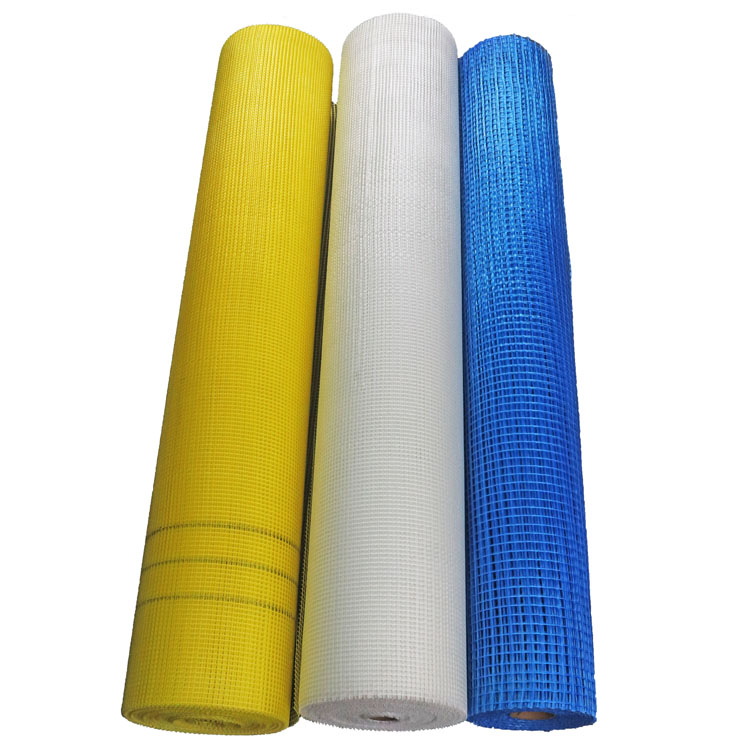
Core Properties That Make Fiberglass Mesh Ideal for Construction Reinforcement
High Tensile Strength and Load-Bearing Durability
Fiberglass mesh has really impressive tensile strength, usually around 100 to 200 MPa, which means it can hold up against all sorts of stress without bending or breaking. What makes this material stand out is how well it stops cracks from forming in substrates when used in areas where there's constant pressure or movement. Tests show it actually lasts longer than most conventional reinforcing options when put through extended durability checks. Some industry reports indicate that as long as installation follows proper guidelines, these meshes keep working effectively for at least 25 years, even in places with heavy foot traffic or where vibrations are common like near machinery installations.
Thermal Stability and Alkali Resistance in Cement-Based Systems
Fiberglass mesh doesn't warp or shrink like metal options when subjected to really cold or hot conditions ranging from -40 degrees Celsius all the way up to 120 degrees Celsius. Plus it holds up much better in those super alkaline cement mixtures where metals would typically break down over time. The special coating on these glass fibers actually creates a protective layer that stops the harsh chemical reactions which eat away at steel so quickly once the pH level goes above 12.5 something that happens quite often during both fresh concrete pouring and while the concrete cures. Because of this combination of heat resistance and chemical protection, fiberglass works exceptionally well in various construction applications including poured concrete structures, surface repairs, and overlay systems that face constant temperature changes or come into contact with strong chemicals regularly.
Compliance with Key Standards: ASTM D7269 and EN 13495-2
Good quality manufacturers create fiberglass mesh that meets international standards for reinforcing buildings and structures. The ASTM D7269 standard sets out what the mesh needs to handle in terms of pulling force before breaking, plus how much it stretches when stressed. Another important benchmark is EN 13495-2 which tests how well the material resists chemical attack from concrete over time through special lab tests that speed up what would normally take years. When builders specify mesh that passes both these tests, they're not just following rules but actually making smarter choices. Their designs stay strong, they avoid potential legal problems down the road, and the materials perform reliably whether installed in earthquake-prone areas or near salty ocean air where corrosion is always a concern.
Fiberglass Mesh vs. Steel Mesh: Critical Advantages for Modern Construction
Superior Corrosion Resistance in Wet, Alkaline, and Coastal Environments
Fiberglass mesh gets rid of that big problem steel reinforcement has with corrosion, which makes it much better suited for places that are wet, full of chemicals, or loaded with chlorides. Unlike steel, fiberglass doesn't break down when exposed to moisture, chlorides, or those harsh high pH conditions found in cement. No need for extra coatings or protective layers either. The real value becomes clear in specific applications like swimming pools, buildings near water, wastewater treatment plants, and factory floors. When corrosion issues happen in these environments, the costs can be staggering. We're talking about incidents that set back the construction business around $740k each time according to research from Ponemon Institute last year.
Lightweight Design and Faster Installation—Cutting Labor Time by Up to 35%
Weighing in at only 25% of what similar steel mesh would be, fiberglass makes life much easier for workers. The lighter material means things are simpler to move around, less tiring when installing, and generally safer to handle overhead or in tight spaces. What's really nice about it is how flexible it naturally is. This lets contractors apply it smoothly onto all sorts of surfaces that aren't straight lines either. Think about those tricky spots like terraced building exteriors, old arches in foundations, or fixing up structures where cutting and bending traditional materials would be a nightmare. No need for special equipment here. Contractors have actually seen some pretty impressive results in the field too. On several different job sites, they've clocked down labor times by as much as 35%. That speeds things along without messing with the structural integrity of whatever they're reinforcing.
Emerging and High-Impact Uses of Fiberglass Mesh in Concrete and Waterproofing
Fiberglass mesh isn't just staying put in old roles anymore. We're seeing it make waves in two really important areas now: strengthening structural concrete and boosting waterproofing performance. When mixed into Glass Fiber Reinforced Concrete (GFRC), this mesh acts as backup support that makes the whole system stronger against tension forces. It helps reduce those annoying cracks that form when things shrink during curing, and basically makes everything last longer. Think about thin precast panels used in buildings, fancy architectural cladding that needs to hold up over time, or quick fixes where regular steel just wouldn't cut it because it rusts so fast. For waterproofing applications, fiberglass becomes part of the foundation for liquid membranes applied to rooftops, balconies, deck surfaces, anywhere moisture might sneak in. What happens then? The material gets much better at resisting tears from stress points, stands up to UV damage from sunlight, and can actually handle tiny movements between building components without failing. These aren't just theoretical benefits either. Real world tests show that structures using fiberglass reinforced systems stay intact longer, need fewer repairs down the road, and ultimately save money across their entire lifespan, especially in tough conditions like busy cityscapes, seaside locations, or places where water is constantly present.
FAQ
What are the advantages of using fiberglass mesh over steel mesh in construction?
Fiberglass mesh offers superior corrosion resistance and is lightweight, reducing labor time and making installations faster and safer.
How does fiberglass mesh contribute to durability in cement-based systems?
Fiberglass mesh holds up well to extreme temperatures and maintains alkali resistance, making it ideal for cement-based systems by preventing breakdown over time.
Can fiberglass mesh bear heavy loads?
Yes, fiberglass mesh has high tensile strength, making it durable and effective under load-bearing conditions.
What standards should fiberglass mesh meet?
Quality fiberglass mesh should comply with ASTM D7269 for pulling force and EN 13495-2 for chemical resistance to ensure reliability in construction.
Where is fiberglass mesh particularly beneficial?
It is beneficial in wet, alkaline, coastal environments, as well as in applications like swimming pools, concrete structures, and waterproofing systems.