 EN
EN

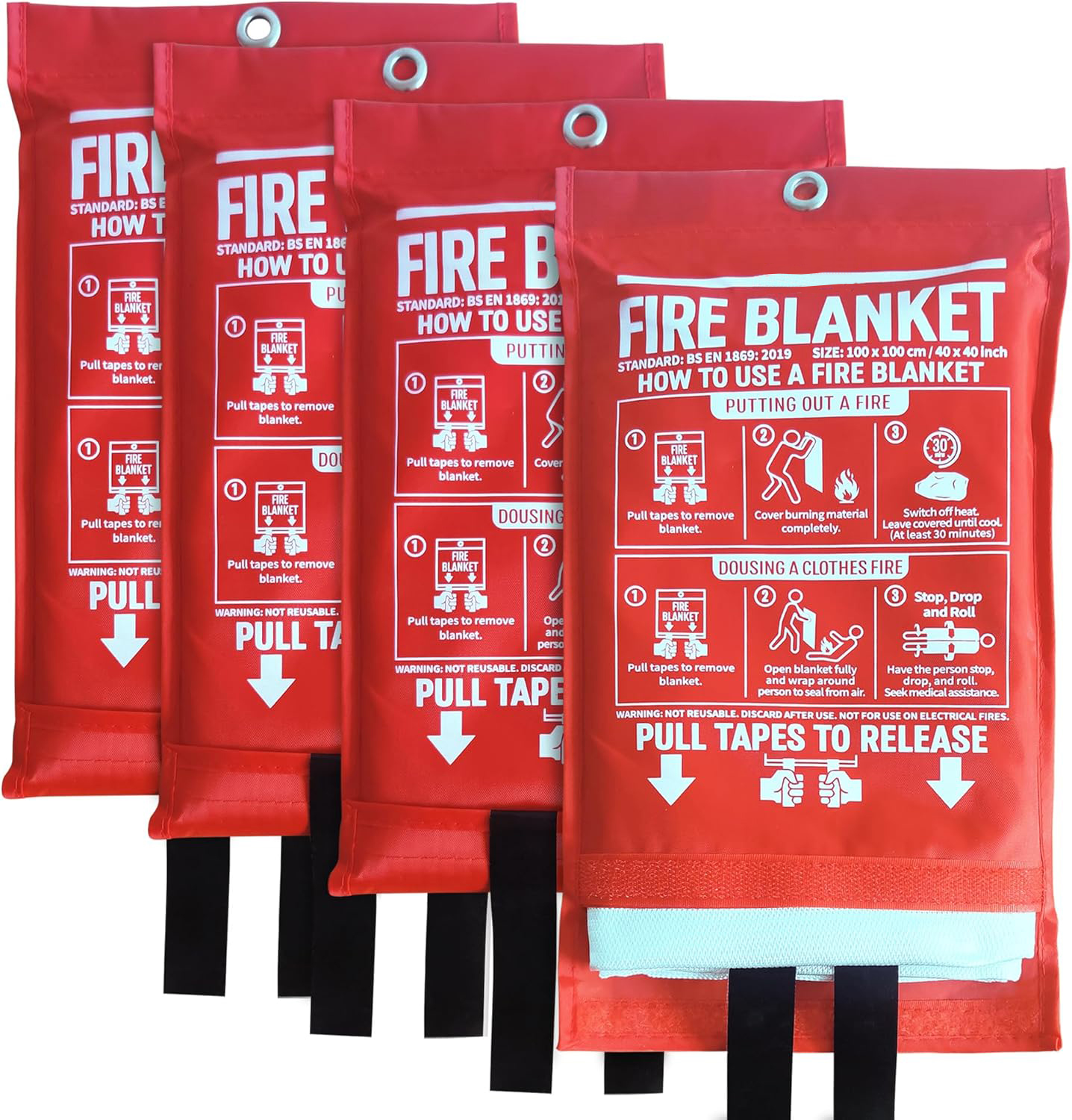
How Fire Blankets Work: The Science of Smothering Flames
Oxygen Deprivation as the Core Mechanism
Material Properties: Flame-Resistant Fibers and Thermal Shielding
Fire blankets are constructed from tightly woven, non-combustible fibers—most commonly fiberglass or silica fabric—engineered to withstand sustained temperatures exceeding 1,000°F (538°C). These materials deliver dual protection:
- Thermal shielding: Reflecting radiant heat away from users during deployment
-
Flame suppression: Preventing oxygen permeation while containing flammable vapors at the source
Because they rely on physical smothering rather than chemical agents, fire blankets require no maintenance, do not expire under proper storage, and retain full functionality indefinitely. Their flexibility enables rapid, conformal coverage—even over irregular surfaces like frying pans or a person's torso—critical in time-sensitive emergencies.
Top Home Fire Scenarios Where a Fire Blanket Saves Lives
Kitchen Grease and Oil Pan Fires — The Most Common & Preventable Hazard
Electrical Fires from Toasters, Heaters, or Chargers — Safe, Non-Conductive Response
Fire Blanket vs. Alternatives: Key Advantages for Homeowners
Simpler, Safer, and More Accessible Than Fire Extinguishers
Reusable, Maintenance-Free, and Child-Safe Storage Options
Using a Fire Blanket Effectively: Quick Response and Personal Protection
Step-by-Step Deployment Technique for Adults and Teens
Correct technique ensures both fire control and personal safety. Follow these essential steps:
- Assess first: Only deploy on small, contained fires—e.g., a flaming pan or small appliance. Do not attempt on large, spreading, or room-involved fires.
- Unfold fully before approaching: Grip the blanket by its reinforced corner tabs to protect hands and arms. Fully extend it between you and the fire—never approach with a partially folded blanket.
- Drape from the near edge outward, covering the entire fire source without gaps. Move deliberately to avoid stirring smoke or reigniting vapors.
- Leave undisturbed for at least 15 minutes to ensure complete cooling and prevent re-ignition. Never lift or adjust the blanket once placed.
Emergency Burn Shielding and Evacuation Support
Fire blankets serve a vital dual role: extinguisher and emergency PPE. If clothing catches fire:
- Instruct the person to “Stop, Drop, and Roll”—then wrap them tightly in the blanket to cut off oxygen and smother flames.
- Use the blanket as a radiant heat shield during evacuation—especially useful when exiting through smoke-filled hallways or past compromised doors.
This versatility—combined with zero learning curve, no hazardous byproducts, and immediate readiness—makes the fire blanket one of the most practical, life-saving tools for everyday home safety.
FAQs About Fire Blankets
What materials are fire blankets usually made from?
Fire blankets are typically made from non-combustible fibers such as fiberglass or silica fabric, designed to withstand high temperatures.
How do fire blankets extinguish a fire?
Fire blankets work by smothering the flames and cutting off the oxygen supply to the fire, effectively extinguishing it.
Can fire blankets be used on electrical fires?
Yes, fire blankets are safe for extinguishing electrical fires as they are non-conductive.
Do fire blankets expire?
No, fire blankets do not expire under proper storage conditions and require no maintenance.
How do you correctly use a fire blanket?
To use a fire blanket, assess the fire first, unfold the blanket fully, drape it over the fire source completely, and leave it undisturbed for at least 15 minutes.