 EN
EN

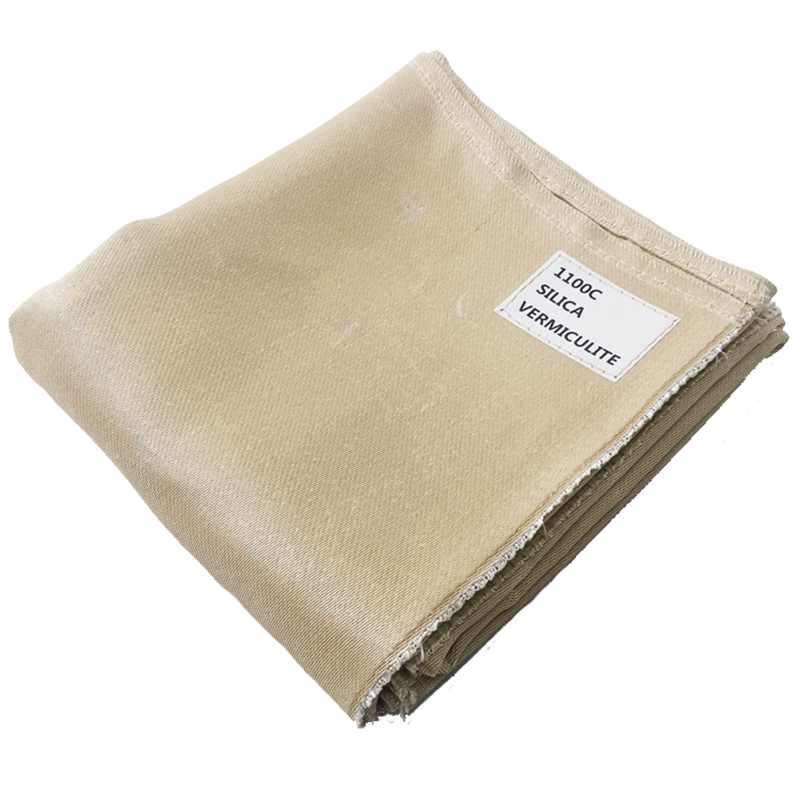
Welding Blanket Heat Resistance: Materials, Ratings, and Real-World Performance
Why Standard Covers Fail at Arc Temperatures (up to 10,000°F)
Comparing Core Materials: Fiberglass (1200°F), Silica (1800°F), and Vermiculite-Coated (1000°F) for Industrial Welding Blanket Use
Industrial welding blankets rely on three thermally robust material systems—each optimized for distinct operational demands:
- Fiberglass (1200°F): Offers excellent flexibility and cost efficiency for light- to medium-duty applications involving brief, intermittent heat exposure—ideal for maintenance welds or fabrication shops with variable workloads.
- Silica (1800°F): Delivers superior oxidation resistance and structural integrity during prolonged, high-intensity tasks such as shipyard welding or heavy structural assembly, where continuous radiant and conductive heat challenge lesser materials.
- Vermiculite-coated (1000°F): Features a non-adhesive, slag-repellent surface that prevents spatter bonding—even at lower continuous temperature limits—making it especially effective in overhead or multi-pass welding where repeated spark contact occurs.
Material selection must align with both peak thermal exposure and physical hazard profile: silica excels in sustained high-heat environments; vermiculite dominates in spark- and slag-rich settings; fiberglass remains the pragmatic choice for balanced performance and budget.
Physical Protection Against Sparks, Slag, and Molten Metal Transfer
Welding blankets serve as the frontline physical barrier against three critical hazards: sparks exceeding 1,800°F, viscous slag accumulation, and high-velocity molten metal spatter. Left unprotected, equipment suffers not only immediate thermal deformation but also long-term chemical degradation from slag's alkaline corrosion and spatter-induced coating breakdown.
How Spatter Adhesion and Slag Penetration Damage Unprotected Equipment
The Role of Non-Adhesive, High-Density Weave in Stopping Molten Metal Contact
Effective welding blankets combine tight, high-density construction (200+ threads per inch) with engineered surface treatments to prevent adhesion and penetration:
- Vertically layered fiberglass deflects sparks through thermal mass and low conductivity
- Cross-laminated silica layers block slag infiltration by eliminating interstitial pathways
- Vermiculite-infused coatings create a non-stick interface that causes molten spatter to bead and roll off
This integrated design maintains integrity even during overhead welding, where falling debris reaches velocities up to 15 ft/sec—conditions validated in AWS Safety Bulletin (2024) testing protocols.
Coated vs. Uncoated Welding Blankets: Trade-Offs for Equipment Shielding
Aluminum Coating: Enhanced Radiant Heat Reflection vs. Reduced Drape and Inspection Limitations
Best Practices for Effective Welding Blanket Deployment on Critical Equipment
OSHA-Compliant Coverage Protocols: Overlap, Securing, and Thermal Monitoring
Effective deployment follows three foundational OSHA-aligned principles:
- Overlap: Maintain minimum 6-inch overlaps between adjacent blankets—gaps account for 37% of welding-related ignition events (NFPA 2022).
- Securing: Use non-combustible clamps or hooks—not tape or string—to hold blankets taut and resist displacement from spatter impact.
- Monitoring: Employ infrared thermometers during extended operations to confirm blanket surface temperatures remain safely below rated limits.
Additional field-proven practices include:
- Never folding blankets over hot surfaces—trapped heat accelerates fiber degradation and compromises insulation value
- Conducting post-use inspections for slag residue, micro-tears, or stiffness—damaged blankets increase fire risk by 300%, per industrial safety audit findings
- Storing cleaned blankets vertically in dry, chemical-free environments to preserve weave integrity and thermal performance between uses
FAQs
What is the main purpose of a welding blanket?
The main purpose of a welding blanket is to protect against sparks, slag, and molten metal transfer, thereby preventing equipment damage and maintaining workplace safety.
What are the differences between fiberglass, silica, and vermiculite-coated welding blankets?
Fiberglass blankets offer flexibility and cost efficiency for moderate applications, silica blankets provide high resistance for prolonged tasks, and vermiculite-coated blankets offer slag-repellent surfaces effective in spark-rich settings.
How should welding blankets be deployed for maximum effectiveness?
Welding blankets should be deployed with adequate overlaps, secured with non-combustible materials, and continuously monitored to ensure safety compliance and thermal management.
Table of Contents
-
Welding Blanket Heat Resistance: Materials, Ratings, and Real-World Performance
- Why Standard Covers Fail at Arc Temperatures (up to 10,000°F)
- Comparing Core Materials: Fiberglass (1200°F), Silica (1800°F), and Vermiculite-Coated (1000°F) for Industrial Welding Blanket Use
- Physical Protection Against Sparks, Slag, and Molten Metal Transfer
- How Spatter Adhesion and Slag Penetration Damage Unprotected Equipment
- The Role of Non-Adhesive, High-Density Weave in Stopping Molten Metal Contact
- Coated vs. Uncoated Welding Blankets: Trade-Offs for Equipment Shielding
- Best Practices for Effective Welding Blanket Deployment on Critical Equipment
- FAQs