 EN
EN

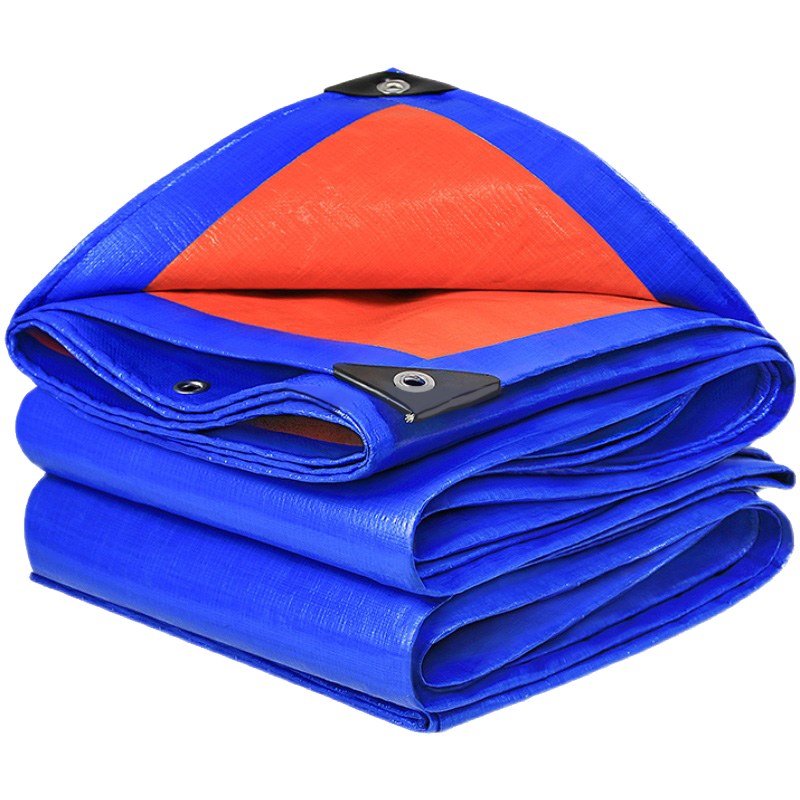
Key Industrial Applications of Tarpaulin
Transportation: Protecting Goods in Transit
Tarps are essential for keeping all sorts of goods safe while they're being moved around. The waterproof nature of these covers means everything from unfinished materials to completed products stays dry no matter what kind of rain or snow comes along. Logistics companies report real savings when using tarps because so much less gets damaged by bad weather. Waterproof tarps just make sense for anyone concerned about transport safety and product integrity. What's more, manufacturers offer tarps in different sizes and thicknesses depending on what needs covering. A small truck load requires something lighter than an entire shipping container full of electronics. This variety helps protect every part of the supply chain from unexpected weather events that could otherwise ruin valuable cargo.
Construction: Shielding Sites from Weather Damage
Tarpaulins play a vital role in construction work, especially when it comes to keeping sites safe from rain, strong winds, and those damaging UV rays. Without these covers, projects tend to get delayed because building materials and equipment just sit there getting ruined by bad weather conditions. We've seen this happen time and again on job sites where unprotected materials end up costing companies thousands in replacements and lost time. Construction reports back this up showing how unprotected sites face higher expenses from damaged goods and schedule slippages. What makes tarps so useful is how easy they are to put up and take down quickly. Most crews can handle installations themselves without needing extra help, which cuts down on labor bills while keeping things moving forward on site despite whatever Mother Nature throws at them.
Agriculture: Enhancing Crop Protection and Yield
Farmers all over the world rely on tarpaulins to protect their crops and get better harvests. These thick covers provide much needed shade during hot days, keep soil moisture levels stable, and act as barriers against insects and animals that damage plants. Research conducted in several farming regions has shown that fields covered with tarps typically produce 15-20% more than uncovered ones. The usefulness of these materials varies depending on what's being grown. Vegetable growers find them especially helpful for protecting young seedlings while fruit farmers use them to prevent sunburn on delicate berries and grapes. After years of trial and error, many agricultural experts now consider tarps essential equipment for anyone serious about maximizing crop quality and minimizing losses due to environmental factors.
Tarpaulin Material Types and Their Uses
Polyethylene (PE) Tarpaulins: Lightweight and Waterproof
PE tarpaulins have become pretty popular because they're light but still super strong, offering good waterproof protection for all sorts of different industries. Made from polyethylene plastic, these tarps stay durable even though they don't weigh much at all. What makes them stand out is how water just slides right off them, which is why farmers and transport companies rely on them so much. On farms, growers cover their crops with these tarps to keep them dry when it rains and shielded from harsh sunlight, which actually helps boost crop yields and improves the overall quality of what gets harvested. Truck drivers love them too since they wrap up cargo to stop anything getting wet or damaged during transit, plus they make sure everything meets safety standards required by law. Environmental groups are starting to push harder for recycling programs specifically for old PE tarps, recognizing that proper disposal matters a lot given how widely used these materials are around the world.
PVC and Fiberglass Blends: Durability for Welding Blankets
When it comes to making welding blankets, PVC mixed with fiberglass stands out because they can handle extreme heat without breaking down. What makes these blends so good? Well, PVC gives them that nice flexibility workers need, while fiberglass adds serious strength. Together, they create barriers that stop dangerous sparks and molten metal bits from causing damage on job sites. Safety reports consistently show how important these blankets are in keeping injuries at bay across factories and construction zones. Most importantly, the materials actually pass all those tough industry tests for protection levels required in risky workplaces. Anyone who's spent time near welders knows how crucial proper shielding really is. For hands-on experience with what works best, take a look at our range of PVC and Fiberglass welding blankets.
Canvas and Mesh Variants: Breathable Solutions
When it comes to temporary structures, canvas and mesh tarpaulins provide good breathing options that let air flow through while still protecting against weather. Canvas tarps are made from woven fabric which allows some airflow, so they work well for basic shelters. Mesh versions take this a step further by letting even more air pass through, making them great choice for stuff like storage containers or enclosed areas where heat buildup can be a problem. For folks who need something that lasts longer, canvas tends to be the way to go because it's tougher and heavier duty. Mesh on the other hand is much lighter weight, so it makes sense when transporting becomes important. People use these covers all over the place really - from festivals and construction sites to emergency housing situations. They just seem to fit whatever situation comes up.
Emergency and Temporary Solutions with Tarpaulin
Disaster Relief Shelters: Rapid Deployment in Crises
Tarpaulins play a really important role when setting up emergency shelters after disasters strike, offering fast deployment options exactly when they're needed most. These light weight covers are super portable and simple to put up, making them perfect for temporary housing during crises like earthquakes, flooding situations, or hurricane aftermaths. The Red Cross has been using these tarps extensively in their field operations because they work so well at protecting people who've lost everything. When it comes down to responding quickly in humanitarian emergencies, there's no denying how valuable these lightweight materials turn out to be. They make all the difference in reducing the damage caused by disasters to communities already struggling under extreme conditions.
Fire Blankets: Safety Applications and Cost Considerations
Tarpaulins can actually work pretty well as fire blankets too, especially around factories and warehouses where sparks fly. The ones used for this purpose are made from special thick material that resists heat, which makes them a must have item in most fire safety plans. They really cut down on injuries when something catches fire unexpectedly. Companies save money in the long run because these blankets stop small fires before they spread, according to reports from actual fire incidents across different industries. Most safety rules now require businesses to keep tarpaulin fire blankets on hand, so factories need to stock up just like they do with other emergency gear. This helps everyone stay safe while also protecting expensive machinery and inventory.
Temporary Storage During Monsoons
During monsoon season, tarps make great temporary storage solutions when trying to keep goods safe from floodwaters and rain damage. These heavy duty covers work wonders protecting all sorts of stuff - think fruits and vegetables at farms or boxes of inventory in warehouses - from getting soaked by sudden downpours. Looking at damage reports after storms shows just how much money gets lost when items aren't properly covered. A good tarp can mean the difference between salvageable products and total loss. For anyone setting up temporary storage, getting those tarps secured right matters a lot. Make sure they're tied down tight on all sides so wind doesn't lift them, and check seams regularly for leaks. Businesses big and small save thousands each year simply by knowing how to properly use these simple but vital covers during rainy months.
DIY Projects: Camping Tents and Outdoor Covers
Tarps have become real workhorses for all sorts of DIY stuff these days, especially for building makeshift shelters and covering outdoor gear. Want to throw together a basic camp tent? Grab yourself a good quality tarp, some strong rope, sturdy ground stakes, plus protective gloves and maybe a decent pocket knife. Start by spreading out the tarp on level ground, then hammer those stakes into each corner. Tie the ropes around trees or poles to give the whole thing shape and stability. What makes this method so popular is how quickly it transforms into actual shelter from rain or wind. There are tons of folks online who share their tarp hacks too. Check out Reddit threads or Facebook groups dedicated specifically to tarps where people post photos of their creations, troubleshoot problems, and even trade tips on different knotting techniques. Whether someone is just starting out with DIY projects or has been doing this forever, there's always something new to learn from others' experiences.
Advertising: Durable Branded Displays
More companies are turning to tarpaulins for outdoor ads because they last longer and hold up against all sorts of weather. The banners made from these tough materials stand up to sunshine, downpours, and strong winds without falling apart, so they keep showing off promotions at events for months on end. Marketing data suggests businesses using tarps see real gains in how visible their brand becomes. Look at some actual examples too many brands have seen great returns when they added tarps to their campaign mix. After all, nobody wants their message washed away by rain or torn apart by wind. That's why smart marketers know these durable displays work best when trying to grab attention outdoors.
Artistic Installations: Fiberglass Fabric in Design
Fiberglass fabric is finding its way into all sorts of art installations these days, with many artists turning to tarpaulins both for looks and longevity. What makes tarpaulin so special? Well, it bends and stretches in ways that let artists create pieces nobody would expect from something so ordinary. Take Joe Thompson for instance who recently told me during an interview that working with tarps feels like having a blank slate where anything goes. His latest exhibit at the city gallery features massive sculptures made entirely from recycled tarps collected over years. Sustainability isn't just talk here either. Most artists actually hunt down discarded tarps from construction sites or warehouses, giving new life to what would otherwise end up in landfills. This trend is changing how people think about materials in contemporary art circles, proving that beauty can come from the most unexpected places when given a second chance.