 EN
EN
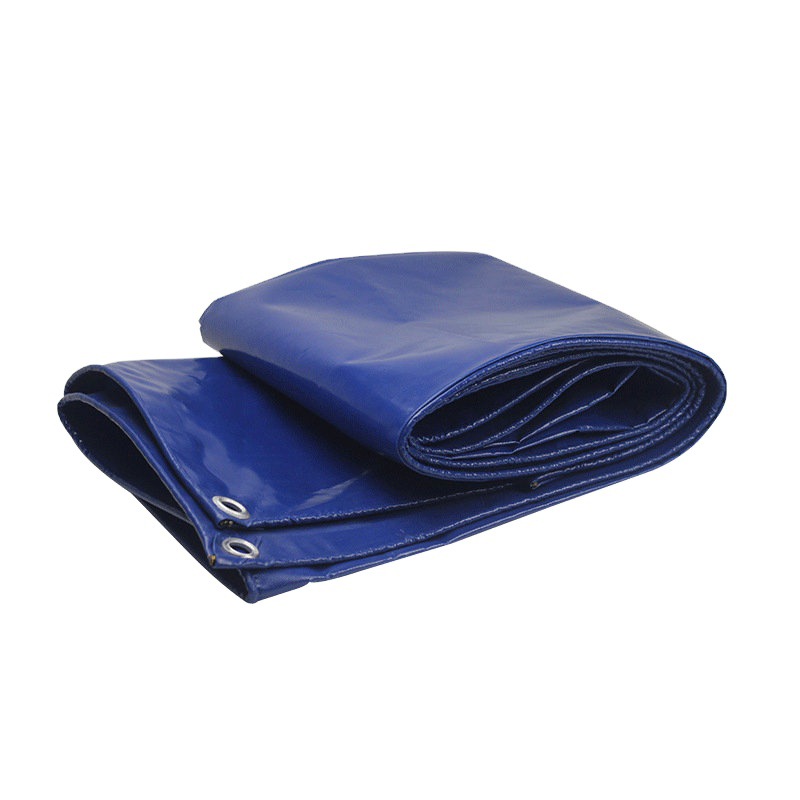
The Core Trade-Off: How Durability and Weight Interact in Tarpaulin
GSM vs. Mil Thickness: Decoding Strength-to-Weight Metrics for Tarpaulin
Why Higher Durability Doesn’t Always Mean Heavier – Advances in Reinforced Weaves and Lamination
Material Comparison: PE, PVC, TPO, and Canvas for Optimal Tarpaulin Performance
Selecting the right material is pivotal for balancing durability and weight in real-world tarpaulin use. Each option presents distinct performance profiles shaped by fiber structure, coating technology, and environmental response.
Polyethylene (PE) Tarpaulin: Lightweight Baseline with UV and Tear Trade-Offs
PVC-Coated Polyester and TPO Tarpaulin: High-Tensile, Weather-Resistant, and Surprisingly Lightweight
| Property | PE | PVC-Coated Polyester | TPO | Canvas |
|---|---|---|---|---|
| Weight | Very Light | Moderate | Light-Moderate | Heavy |
| UV Resistance | Low (2–3 years) | High (5+ years) | High (5+ years) | Medium |
| Tear Strength | Moderate | High | High | Variable |
| Best For | Temporary covers | Long-term outdoor | Mobile setups | Static shelters |
Application-Driven Selection: Matching Your Use Case to the Right Tarpaulin
High-Mobility Needs: Lightweight Tarpaulin for Camping, Festivals, and Pop-Up Events
Long-Duration Demands: Durable Tarpaulin for Construction, Agriculture, and Trucking
Industrial applications demand resilience across seasons and stressors: multi-year UV exposure, abrasive contact, wind loading, and repeated handling. Opt for high-GSM solutions—500+ GSM PVC-coated polyester or TPO—with features including:
- Multi-layer lamination to block moisture ingress
- Embedded anti-UV inhibitors to prevent fiber degradation
- Rip-stop or hexagonal weaves to localize and halt tear propagation Though heavier than lightweight alternatives, their 8–10-year service life significantly reduces total cost of ownership—justifying investment in roofing membranes, heavy machinery covers, and truck curtains where downtime or replacement is costly.
Beyond Weight and Tear: Critical Performance Factors in Modern Tarpaulin
UV Resistance, Weave Density, and Protective Coatings – Enhancing Lifespan Without Bulk
FAQ
What factors should be considered when choosing a tarpaulin material?
Consider the specific application, desired durability, weight, UV resistance, tear strength, and environmental response of the tarpaulin material.
How does the weight of a tarpaulin relate to its durability?
While heavier tarpaulins are generally more durable, advances in materials technology allow for durable yet lightweight options through reinforced weaves and lamination.
What are the best tarpaulin materials for long-term outdoor use?
PVC-coated polyester and TPO tarpaulins are optimal for long-term outdoor use due to their high tensile strength, weather resistance, and UV protection.
Table of Contents
- The Core Trade-Off: How Durability and Weight Interact in Tarpaulin
- Material Comparison: PE, PVC, TPO, and Canvas for Optimal Tarpaulin Performance
- Application-Driven Selection: Matching Your Use Case to the Right Tarpaulin
- Beyond Weight and Tear: Critical Performance Factors in Modern Tarpaulin
- FAQ