 EN
EN

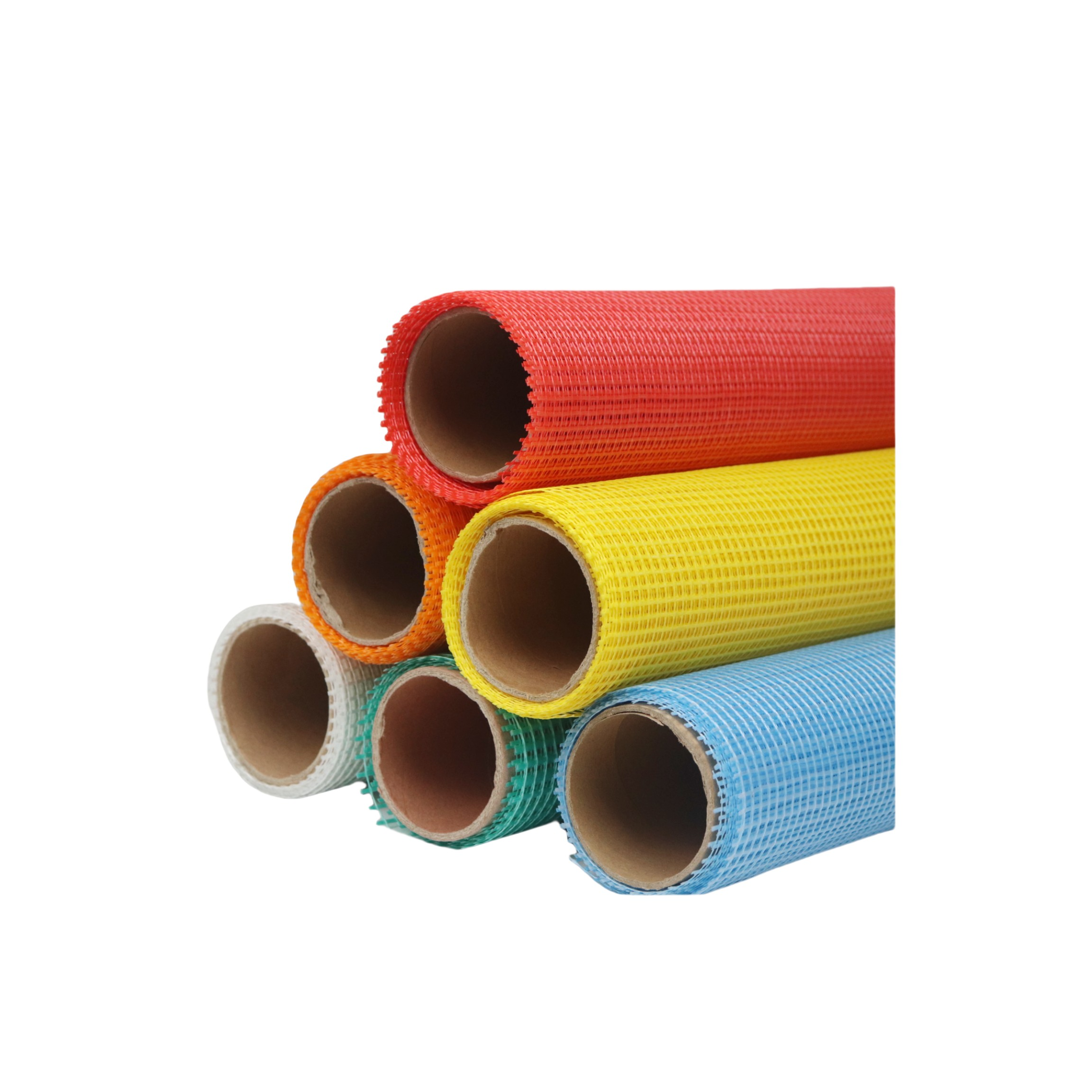
Why Proper Fiberglass Mesh Installation Prevents Cracking and Delamination
Correctly installed fiberglass mesh acts as a tensile reinforcement layer within plaster systems, distributing structural stresses across walls and ceilings. This halts hairline crack propagation—especially at joints, corners, or high-movement zones where thermal expansion and substrate shifts concentrate strain. Full embedding ensures alkali-resistant fibers chemically bond with plaster, creating a unified composite where movement forces transfer to the flexible mesh rather than brittle surface layers. Delamination arises when poor adhesion leaves voids or debris between mesh and substrate; trapped moisture then degrades the bond over time. Consistent tension across the mesh plane also bridges panel gaps, reducing point loads that initiate cracks. By neutralizing differential movement and optimizing load distribution, meticulous installation preserves finish integrity for decades.
Key safeguards achieved through technique:
- Crack Containment: Mesh redistributes stress, halting crack progression
- Moisture Barrier: Full encapsulation blocks water intrusion behind plaster
- Adhesion Security: Eliminates voids that weaken plaster-mesh cohesion
- Movement Tolerance: Accommodates thermal shifts without fissures
Preparing the Wall Surface for Reliable Fiberglass Mesh Adhesion
Cleaning, leveling, and priming uneven substrates
Begin by removing dirt, dust, loose particles, and grease using stiff brushes or power washers. Level protrusions exceeding 3 mm and fill cavities with hydraulic cement to achieve ≥95% contact area. Apply acrylic primers to porous surfaces like concrete blocks—this seals pores and increases adhesive bond strength by up to 70%, per ASTM C1583 testing protocols. Avoid polyvinyl acetate (PVA) primers in environments where relative humidity exceeds 55%.
Mitigating moisture, efflorescence, and poor adhesion risks
Install vapor barriers behind masonry walls in high-humidity zones (>75% RH) to prevent trapped moisture from triggering mesh delamination. Test for efflorescence using phenolphthalein solution—if alkalinity exceeds pH 10, neutralize with a 10% phosphoric acid wash. Ensure surfaces achieve ≤15% moisture content before mesh installation, verified via carbide moisture testing. On non-absorbent substrates like painted walls, apply cementitious slurries to establish mechanical keying points for reliable anchorage.
Selecting the Right Fiberglass Mesh for Your Plaster System
Matching alkali resistance, weight (g/m²), and weave density to plaster type
Cement-based plasters require alkali-resistant fiberglass mesh to avoid rapid fiber degradation. Standard weights range from 80 g/m² (light repairs) to 250 g/m²+ (structural reinforcement). For residential plaster applications, 145–165 g/m² offers optimal balance of flexibility and tensile strength. Denser weaves (≥4 × 4 threads/cm²) significantly improve crack resistance in thin-coat systems. Always verify compatibility with your plaster’s pH—non-alkali-resistant meshes degrade within months when exposed to highly alkaline environments.
Choosing mesh aperture size (5×5 mm vs. 10×10 mm) based on crack risk and plaster thickness
Smaller apertures (5×5 mm) deliver superior crack control for thin plasters (<15 mm) and high-stress zones such as internal/external corners. Larger apertures (10×10 mm) suit thicker applications (>20 mm), enabling deeper mortar penetration while reducing material usage. In seismic zones or over unstable substrates, prioritize 5×5 mm mesh—the tighter grid distributes localized stress more effectively. Match aperture size to aggregate dimensions: oversized aggregates won’t interlock properly with fine-mesh reinforcement.
Executing Flawless Fiberglass Mesh Installation: Embedding, Overlap, and Fixation
Optimal overlap (≥75 mm) and shingling sequence to eliminate weak joints
Install fiberglass mesh with minimum 75 mm horizontal overlaps using a shingling technique—where upper layers consistently overlap lower ones. This directional sequencing prevents water infiltration and eliminates stress concentration at joints, the most common failure point in plaster systems. Compared to butt joints, shingled overlaps reduce crack formation risk by 40%, according to industry masonry performance studies.
Embedding technique: timing, pressure, trowel selection, and avoiding air pockets
Embed mesh within 15 minutes of base coat application using polymer-modified mortar. Apply firm, even pressure with a 10 mm-notched stainless steel trowel held at a 45° angle, working outward from the center. This achieves full mortar contact while eliminating air pockets—critical because voids beneath the mesh can reduce crack resistance by up to 60%. Maintain uniform tension without stretching the mesh to prevent rebound-induced delamination.
When to supplement with mechanical anchoring—dowels on thermal bridges or high-movement surfaces
In high-stress zones—including window perimeters, seismic areas, or surfaces subject to seasonal temperature swings exceeding 35°C—combine adhesive embedment with mechanical anchoring. Install stainless steel dowels at 300 mm intervals across thermal bridges. This dual-fixation approach counters movement-induced stresses that compromise adhesive bonds, particularly in freeze-thaw cycles, where unreinforced sections show three times the failure rate of mechanically stabilized ones.
FAQ
What is the primary purpose of fiberglass mesh in plaster systems?
Fiberglass mesh acts as a tensile reinforcement layer to distribute structural stresses and prevent crack propagation.
How does proper installation prevent delamination?
Proper installation ensures full embedding of the mesh, preventing voids and enhancing adhesion to avoid delamination.
What preparatory steps are crucial for successful adhesion?
Cleaning, leveling, and applying appropriate primers to the substrate are essential steps for ensuring reliable adhesion.
Why is it important to choose the correct mesh for the plaster type?
Choosing the right mesh ensures compatibility with the plaster’s alkali environment and specific structural requirements.
When should mechanical anchoring be considered?
Mechanical anchoring is recommended in high-stress zones, such as seismic areas or thermal bridges, to enhance stability.