 EN
EN
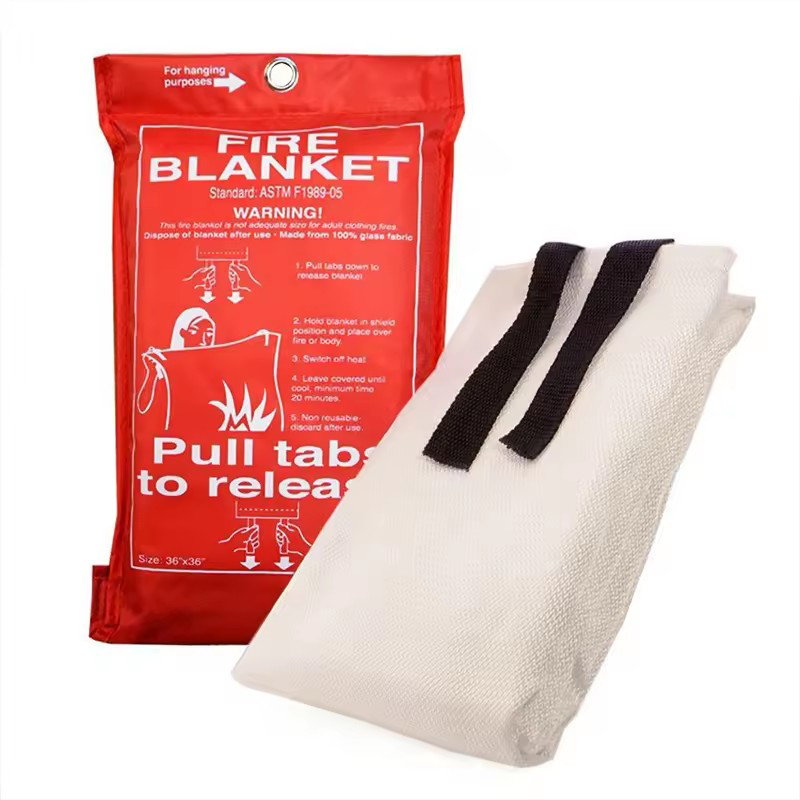
Upfront and Lifecycle Cost Advantages of Fire Blankets
Lower Initial Purchase Price vs. ABC Fire Extinguishers
Zero Maintenance, No Certification, No Refills: Eliminating Recurring Operational Costs
| Cost Factor | Fire Blanket | ABC Fire Extinguisher |
|---|---|---|
| Initial Purchase | $15–$50 | $50–$150 |
| Annual Maintenance | $0 | $20–$50 |
| Refill/Recharge Cost | $0 | $30–$80 per incident |
| Compliance Documentation | Not required | Often mandatory |
| Replacement Interval | Only if used or damaged | Every 12 years |
Long-Term Durability and Shelf Life of Fire Blankets
Decades-Long Storage Stability with No Expiry or Degradation Under Proper Conditions
Material Options and Value Trade-Offs: Fiberglass vs. Silicone-Coated Fire Blankets
Cost, Heat Resistance, Flexibility, and Reusability Considerations
Choosing between fiberglass and silicone-coated fire blankets hinges on matching material strengths to your environment’s operational demands:
- Cost: Fiberglass models are typically 30–50% less expensive upfront.
- Heat Resistance: Both exceed 1,000°F tolerance, but silicone’s polymer layer delivers superior thermal insulation during rapid heat spikes—critical for volatile grease fires.
- Flexibility & Handling: Silicone coatings enhance pliability and reduce stiffness, enabling faster, more intuitive deployment—and minimizing skin irritation risks associated with raw fiberglass fibers.
- Reusability: Silicone blankets retain structural integrity better after exposure, allowing safe reuse if uncontaminated; fiberglass tends to embrittle or shed fibers after a single high-heat event.
In cost-sensitive, low-frequency settings like general-purpose workshops, fiberglass offers strong value. In kitchens—where speed, dexterity, and repeated readiness matter—silicone’s handling advantages and resilience justify its higher initial investment.
Targeted ROI: Where Fire Blankets Deliver Maximum Value Across Settings
Home Kitchens, Small Workshops, and EV Charging Stations — High-Risk, Low-Complexity Scenarios Ideal for Fire Blankets
FAQ
-
What are the main advantages of using a fire blanket?
Fire blankets have a lower initial cost, do not require maintenance or refills, and provide long-term durability without degradation under proper conditions. -
How do fire blankets compare cost-wise to ABC fire extinguishers?
Fire blankets are typically less expensive upfront and incur no ongoing costs, unlike ABC fire extinguishers, which require maintenance and potential refills. -
Which material is better for fire blankets, fiberglass or silicone-coated?
The choice depends on your needs. Fiberglass is cheaper and suitable for low-frequency use, while silicone-coated offers better heat resistance and reusability, ideal for high-risk areas like kitchens. -
Are there any scenarios where fire blankets provide maximum value?
Yes, fire blankets are ideal for use in home kitchens, small workshops, and EV charging stations due to their ease of use and reliable performance in high-risk, low-complexity situations.