 EN

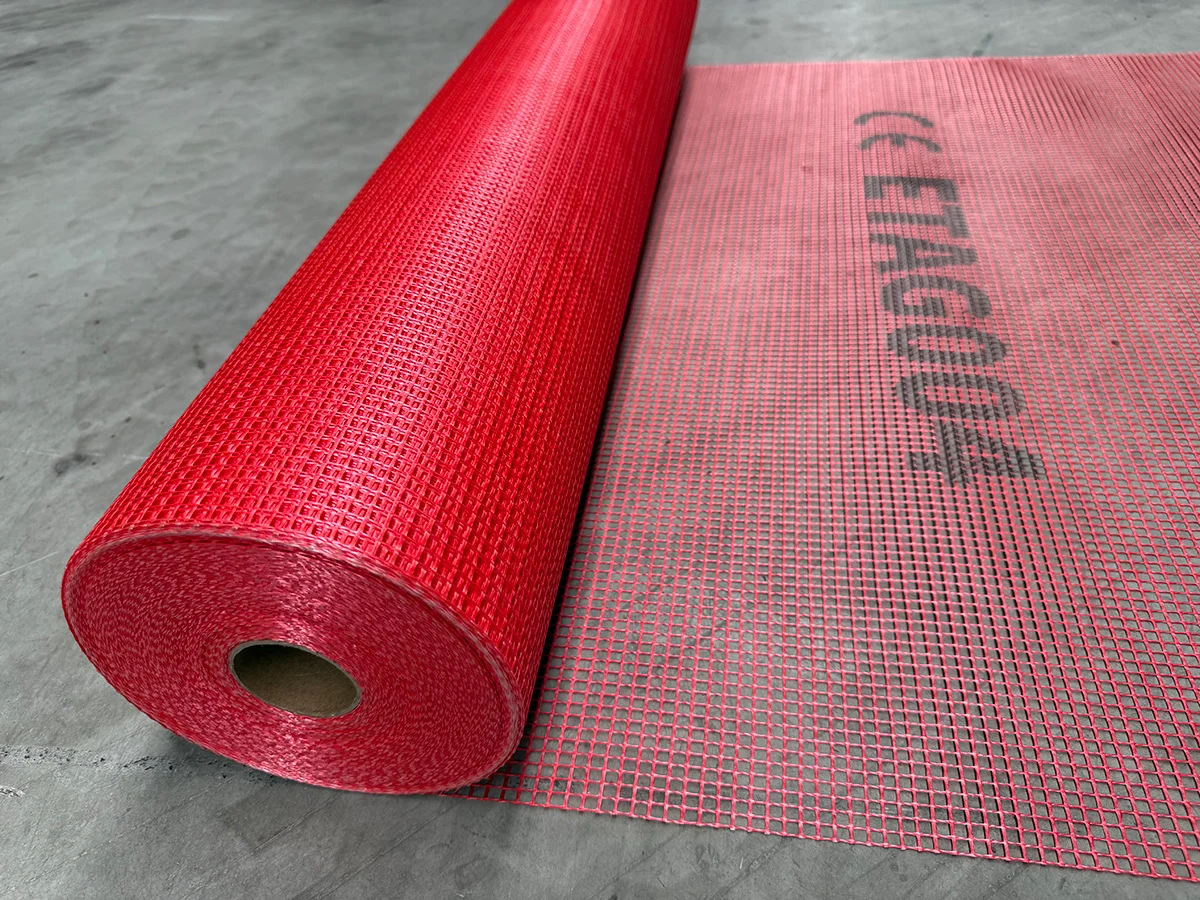
Key Takeaway
Never use generic fiberglass mesh in cementitious EIFS base coats
The high pH environment of fresh cement will dissolve standard glass fibers within months leading to devastating map cracking and water leaks
Always specify ASTM D579 compliant mesh with a certified high zirconia or robust polymer coating to ensure decades of crack free performance
The Silent Erosion How High pH Cement Destroys Untreated Glass
Go to any building renovation site where EIFS or stucco has failed after five years
If you peel back the cracked topcoat you will find the same root cause
The reinforcing fiberglass mesh has completely disintegrated inside the cement layer leaving behind only a powdery white silhouette
Fresh Portland cement base coats maintain an aggressive alkaline microclimate with a pH ranging from twelve point five to thirteen point five
Standard glass fibers are made of silica which dissolves in highly alkaline solutions
Without a protective barrier the hydroxyl ions in the wet cement mortar attack the silicon oxygen bonds
This chemical etching leaches calcium and sodium ions out of the glass structure
This leads to deep microscopic pitting along each fiber strand
Under wind load stress or seasonal freeze thaw cycles these microscopic pits turn into runaway structural cracks
Standard Compliance ASTM D579-22 vs EN 13496
Testing for alkali resistance requires simulating decades of cement contact in an accelerated laboratory immersion bath
ASTM D579-22 and EN 13496 are the global gatekeepers that separate structural reinforcement from cheap packaging mesh
| Technical Test Standard | Chemical Exposure Protocol | Pass Fail Threshold | Primary Regional Market |
|---|---|---|---|
| ASTM D579-22 | Twenty eight day immersion in saturated calcium hydroxide solution at pH twelve point five | Requires at least fifty percent tensile strength retention compared to dry control | North American commercial projects |
| EN 13496 | Twenty eight day immersion in alkaline solution at sixty degrees Celsius for accelerated aging | Requires at least fifty percent residual tensile strength and minimum residual force | European Union and ETICS specifications |
| ASTM E2568-17a | Evaluates the full composite EIFS assembly under simulated wind and impact | Mandates minimum standard mesh weight and elongation at break of two point five percent | North American building code enforcement |
Five Year Field Study The Real Cost of Non Compliant Mesh
A longitudinal field study tracking twin commercial façades in a coastal environment highlights the dramatic difference in long term survivability between compliant and cheap mesh
-
The Compliant Mesh Façade
Using ASTM D579-22 certified one hundred sixty gram mesh with a high zirconia chemical barrier
After five years of continuous exposure to salt air and thermal cycles the mesh retained ninety two percent of its original tensile strength
The outer walls showed zero water penetration and no visible hairline cracks -
The Cheap Non Compliant Mesh Façade
Using standard untreated eighty gram mesh that claimed generic alkali resistance on the datasheet
By year three the mesh had lost over thirty five percent of its strength
The façade developed severe map cracking across the joint lines
Water ingress reached twenty three percent of the wall surface area requiring an expensive twenty dollar per square foot strip down and repair job
Practical Selection Guide for Project Managers and Inspectors
To secure your external walls against cracking and moisture intrusion do not rely on generic product labels
Follow this engineering checklist on your next job site
-
Verify Zirconia Content
For heavy duty commercial projects check the material safety data sheet to ensure the glass fibers contain at least fourteen point five percent zirconium dioxide
Zirconium oxide creates a passive chemical layer that blocks alkaline attack -
Test the Coating Flexibility
An effective alkali resistant mesh must be coated in a high quality polymer resin such as styrene butadiene rubber or acrylic
This coating must be completely uniform
If you fold the mesh and the coating cracks off the glass fibers will be exposed to the wet cement mortar during the first scrape of the trowel
FAQ
| Question | EIFS Quality Assurance Inspector Answer |
|---|---|
| Can I use standard drywall joint mesh for EIFS base coats | Absolutely not drywall mesh is designed for gypsum plaster which is neutral or low pH and will dissolve within weeks inside a cement mortar base |
| Why does the mesh weight matter alongside alkali resistance | Heavy mesh such as one hundred sixty grams distributes wind load forces over a larger area preventing shear cracks in high wind zones |
| How does water ingress accelerate mesh degradation | Water carries alkaline salts deep into the plaster continuing the chemical attack on the glass fibers long after the initial curing phase is complete |